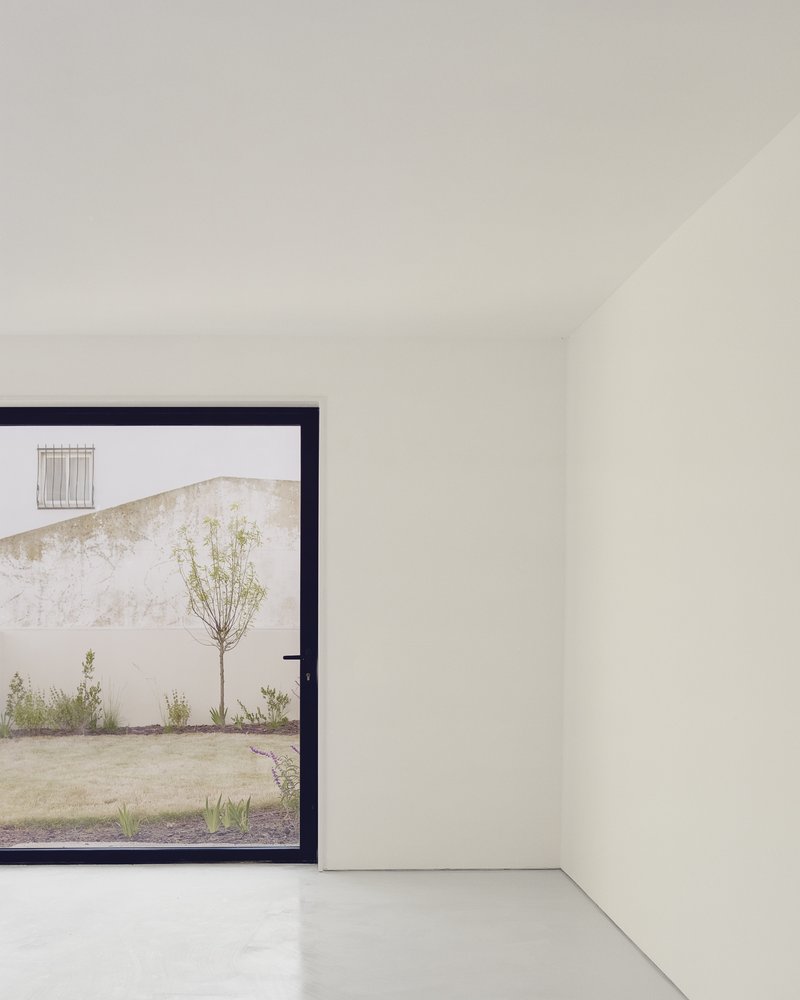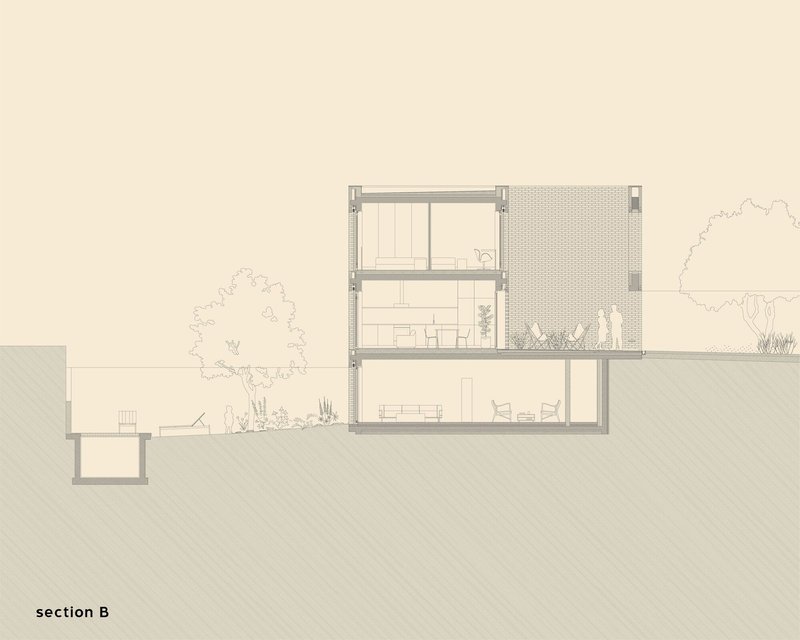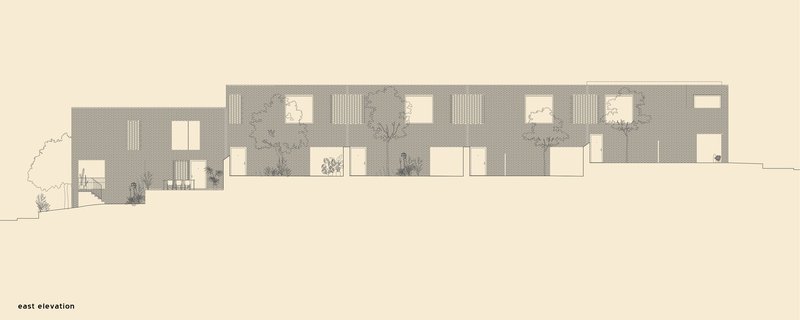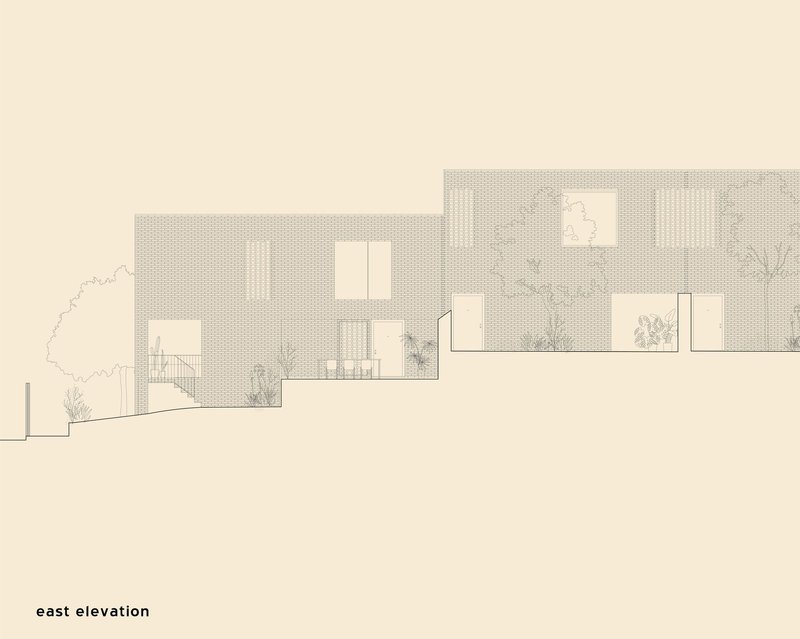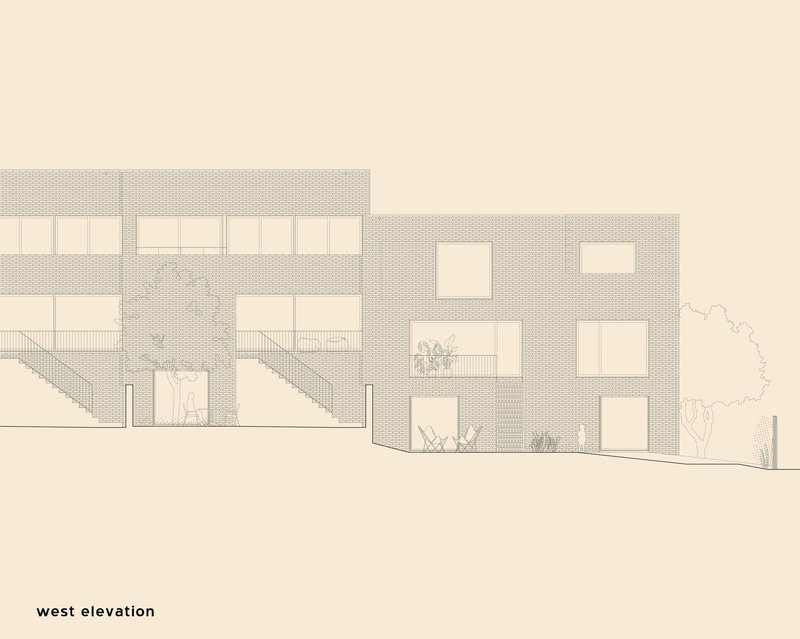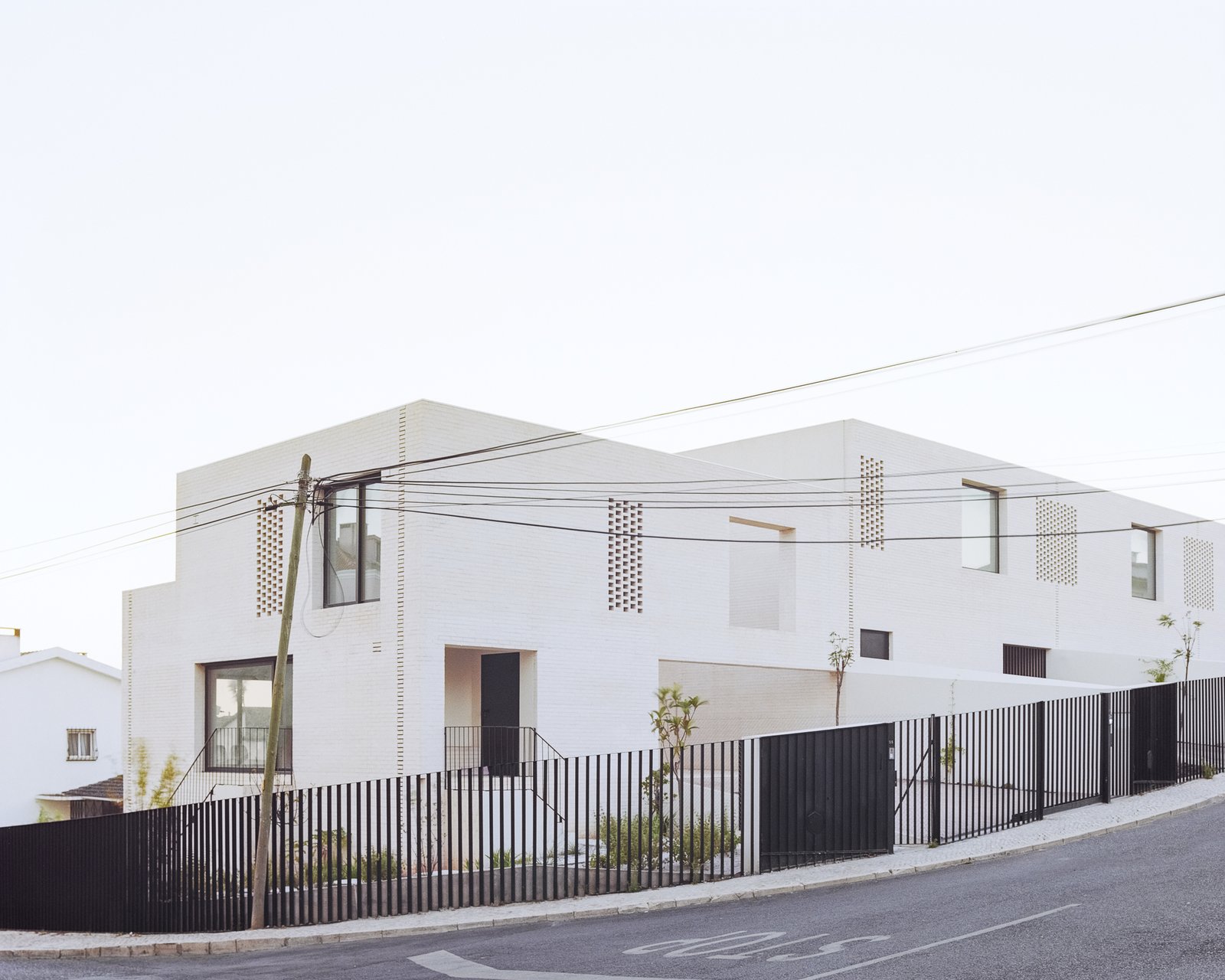
In the rich tapestry of the Portuguese language, the verb 'to dwell' necessitates a companion noun to fully express its intent. It is an action that finds completion only when paired with the substantive essence of a house or a place. This architectural endeavor embarks on a journey to redefine the very act of dwelling, not just in its execution but in the object itself. It unfolds as a conceptual exploration for a visionary developer, who harbored the idea of a home even before the land on which it would rise was acquired. His pursuit was to craft more accessible housing, with adaptable typologies capable of accommodating diverse family structures and the evolving needs of those who work from home or reside within extended family units.
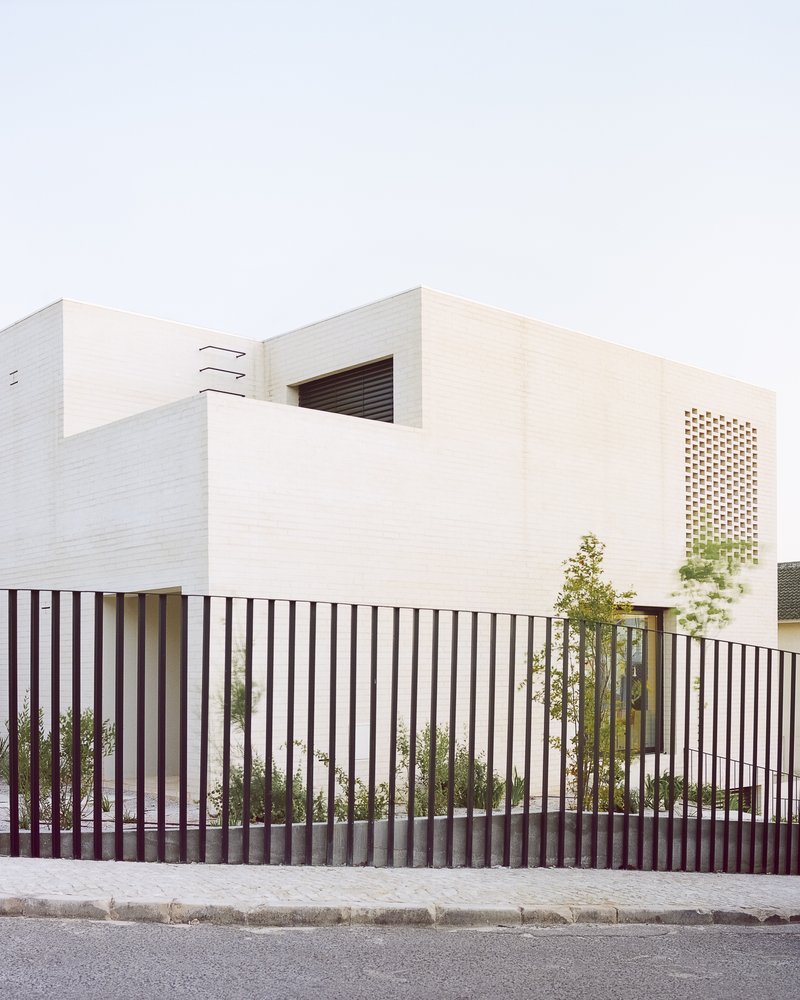
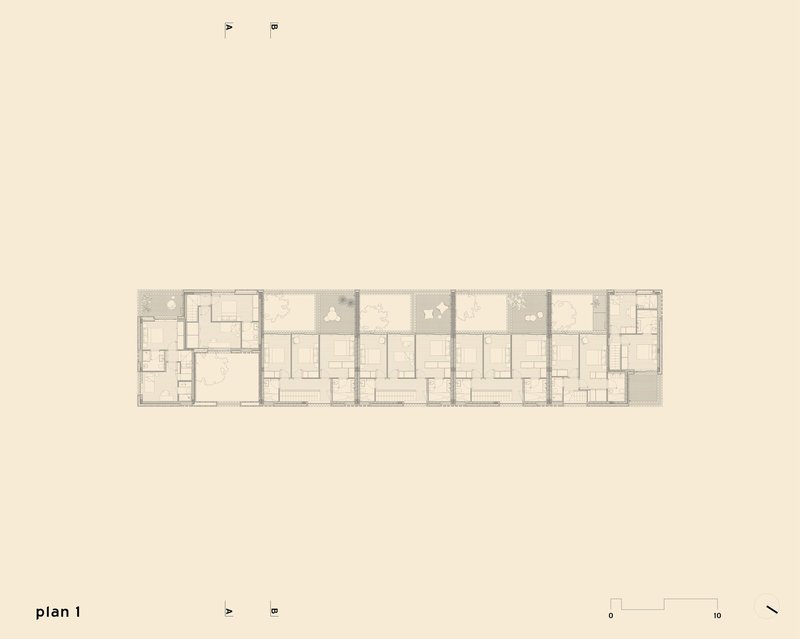
Envisioning a horizontal apartment building, we aspired to merge the economic efficiencies of collective housing with the intimate indoor-outdoor relationship of a standalone residence. The townhouse typology gained prominence in the expansion of Porto's bourgeoisie between 1763 and 1804, under the urban reforms of João de Almada e Melo and Francisco de Almada e Mendonça, who infused this English-inspired model into the cityscape. Emulating dense, efficient urban environments that eschew vertical growth, we sought to reinterpret the townhouse as an accessible and flexible solution.
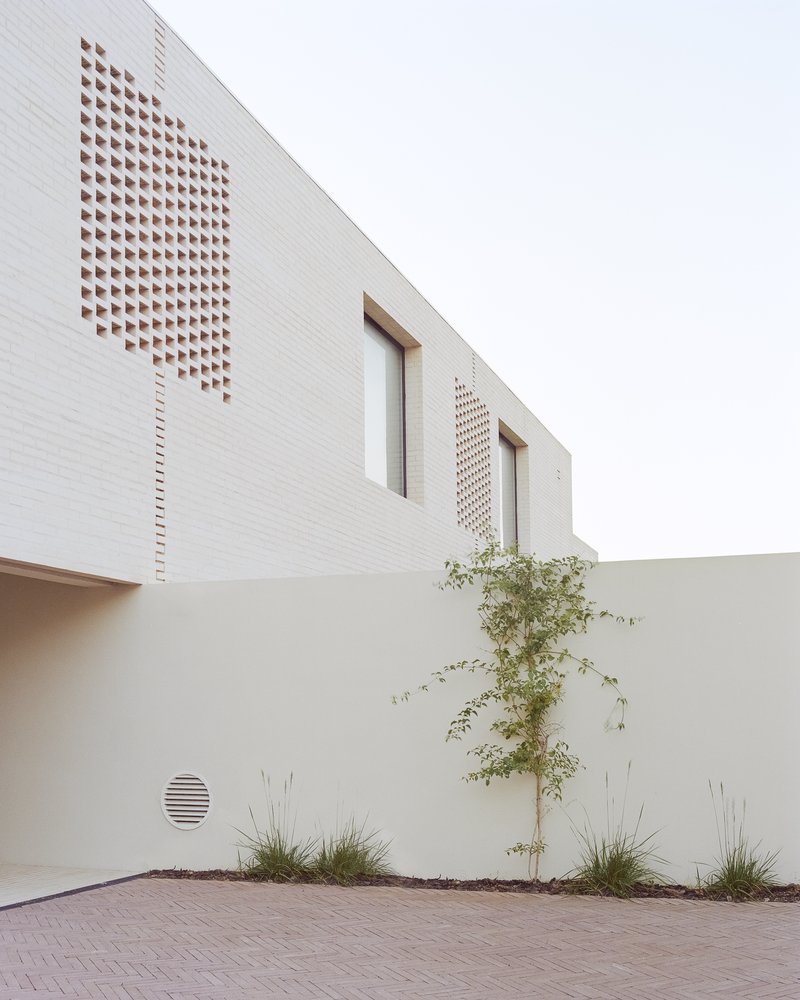
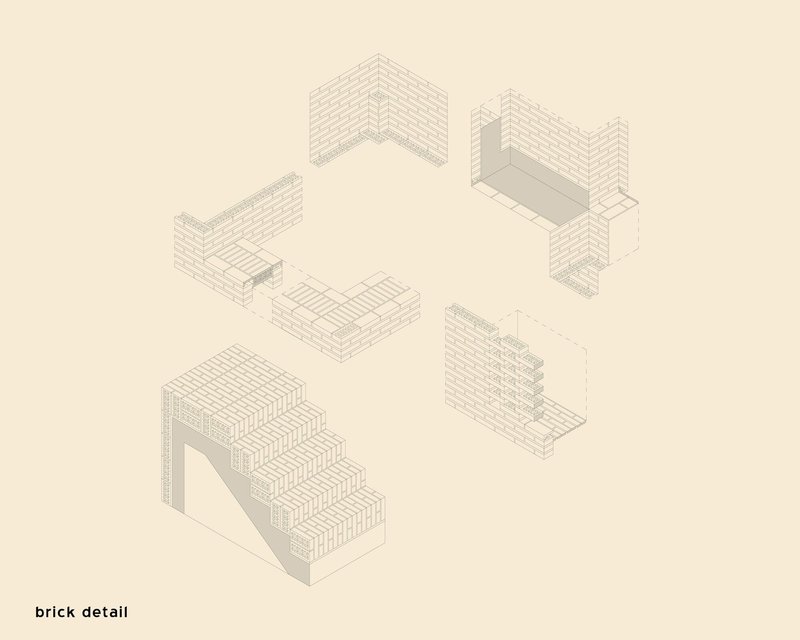
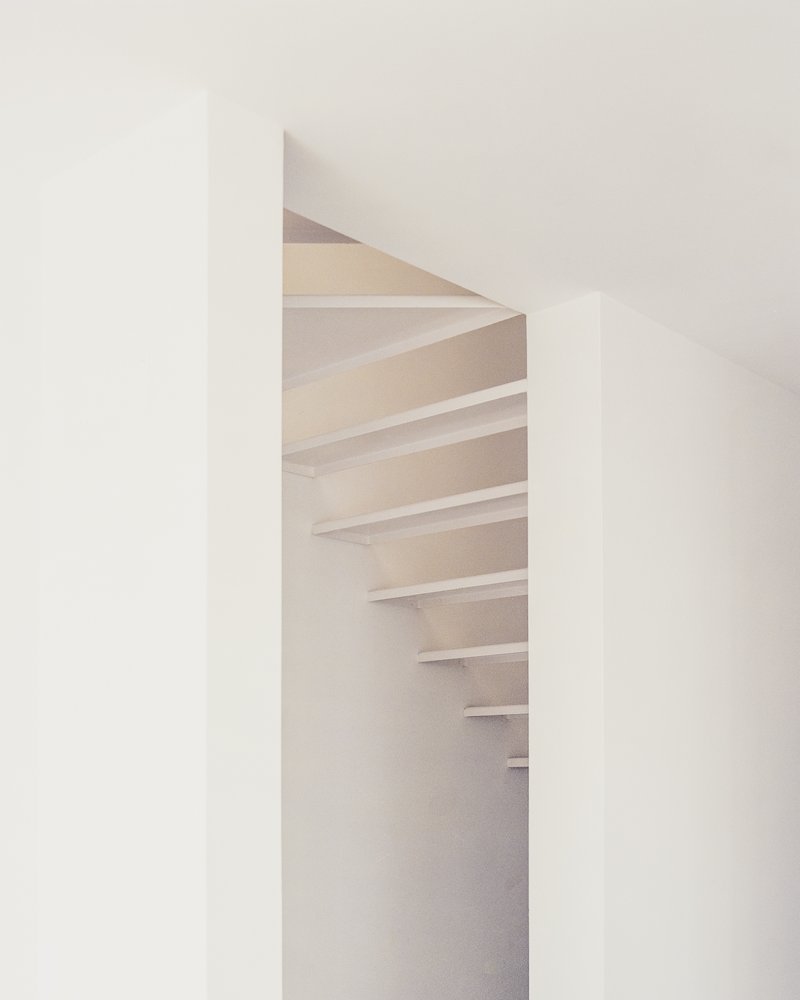
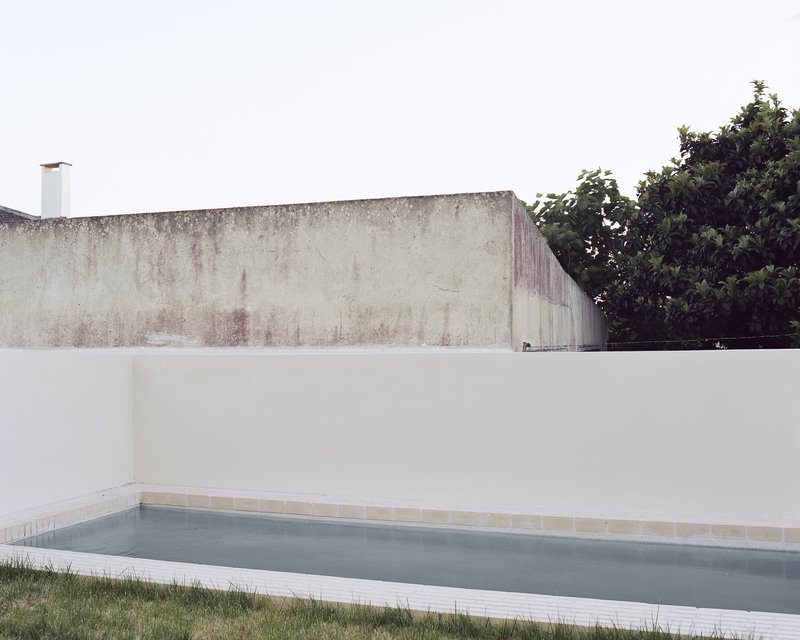
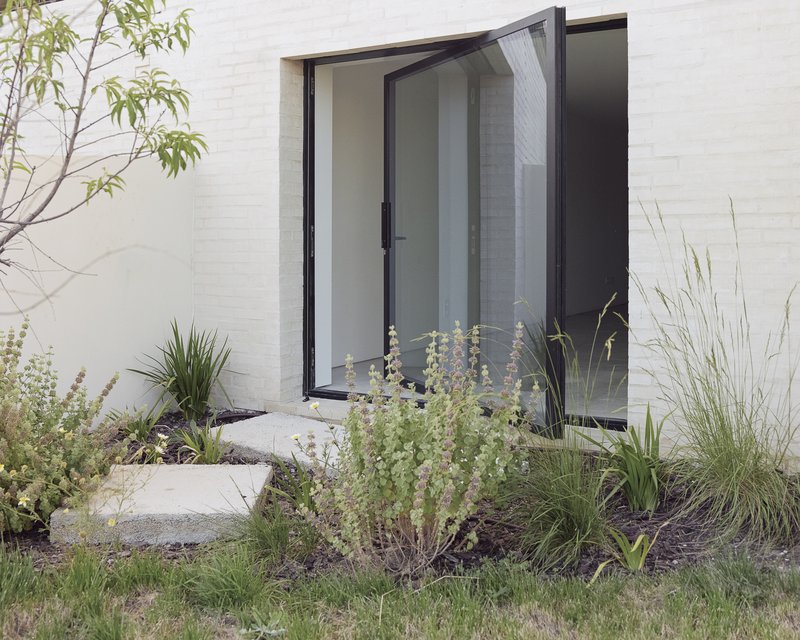
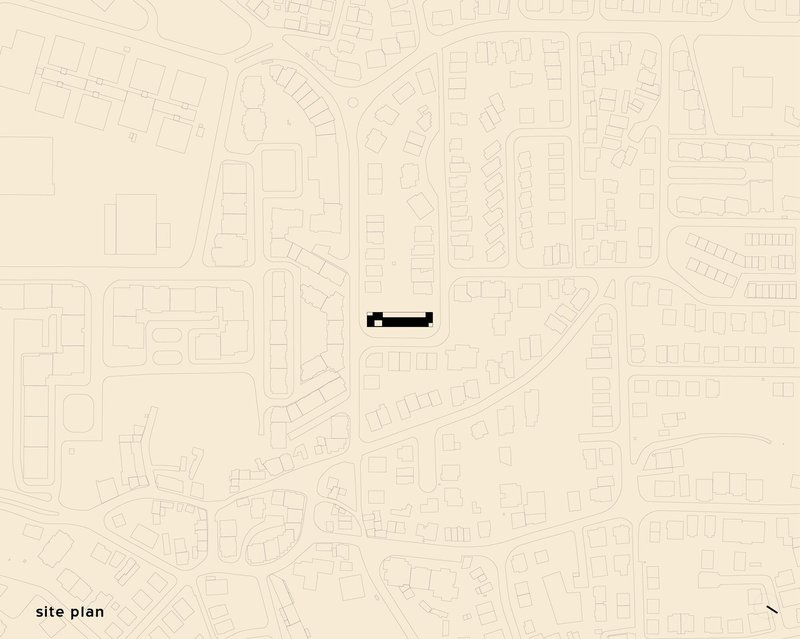
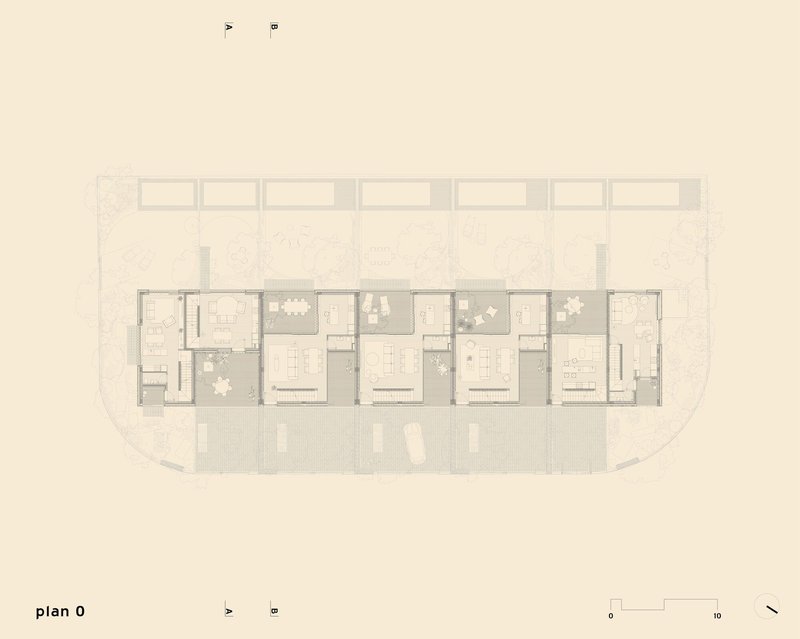
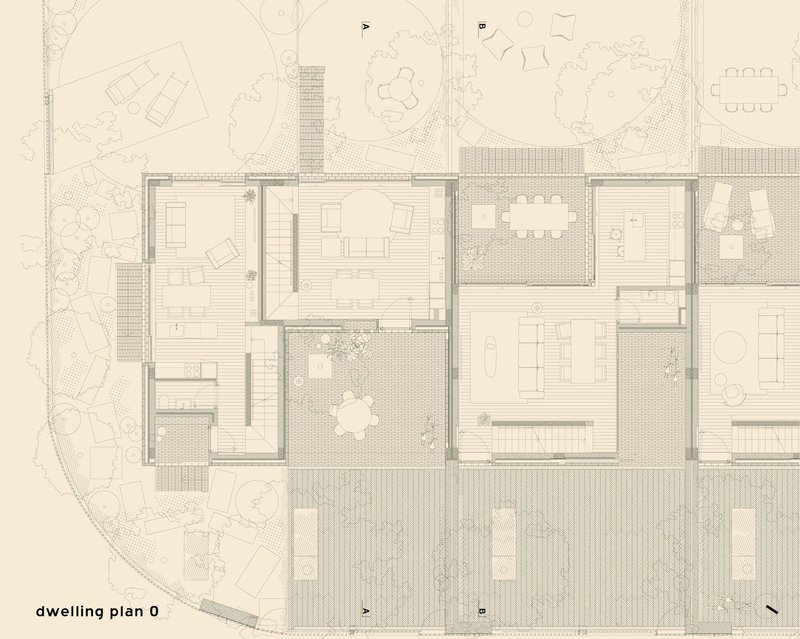
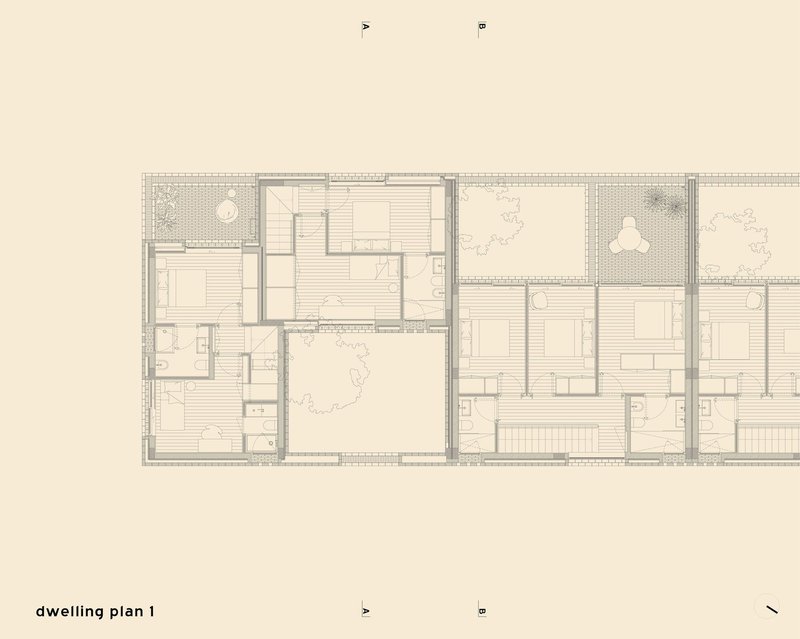
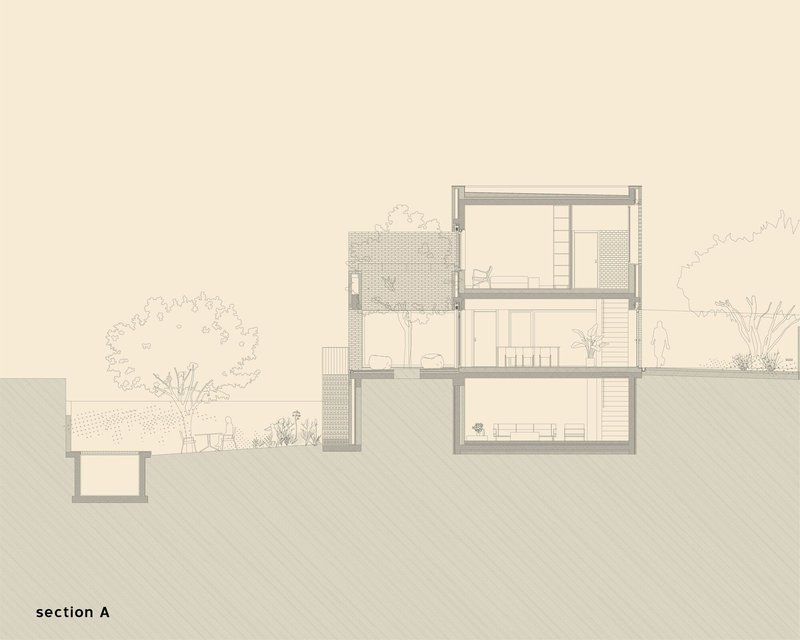
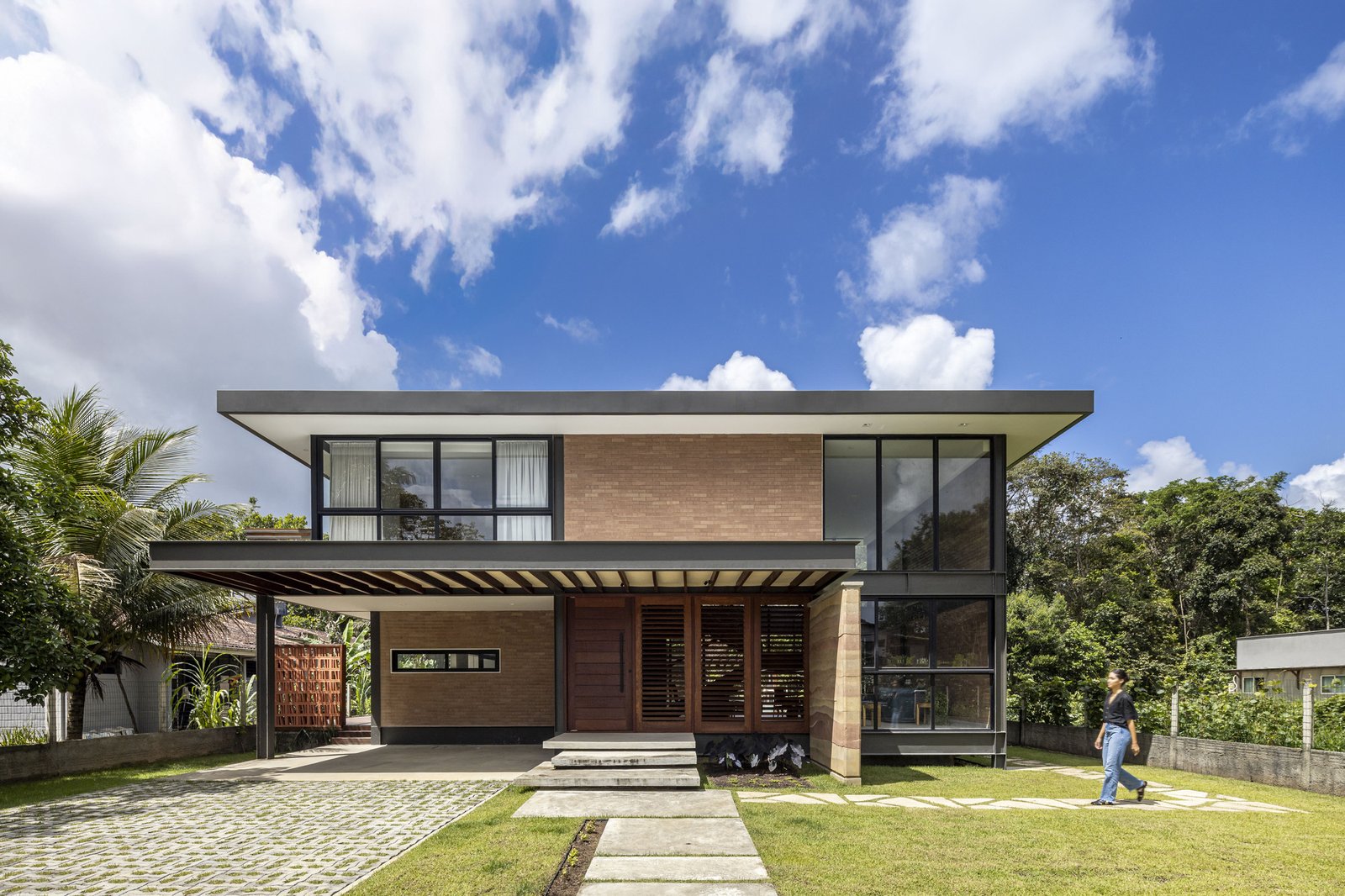
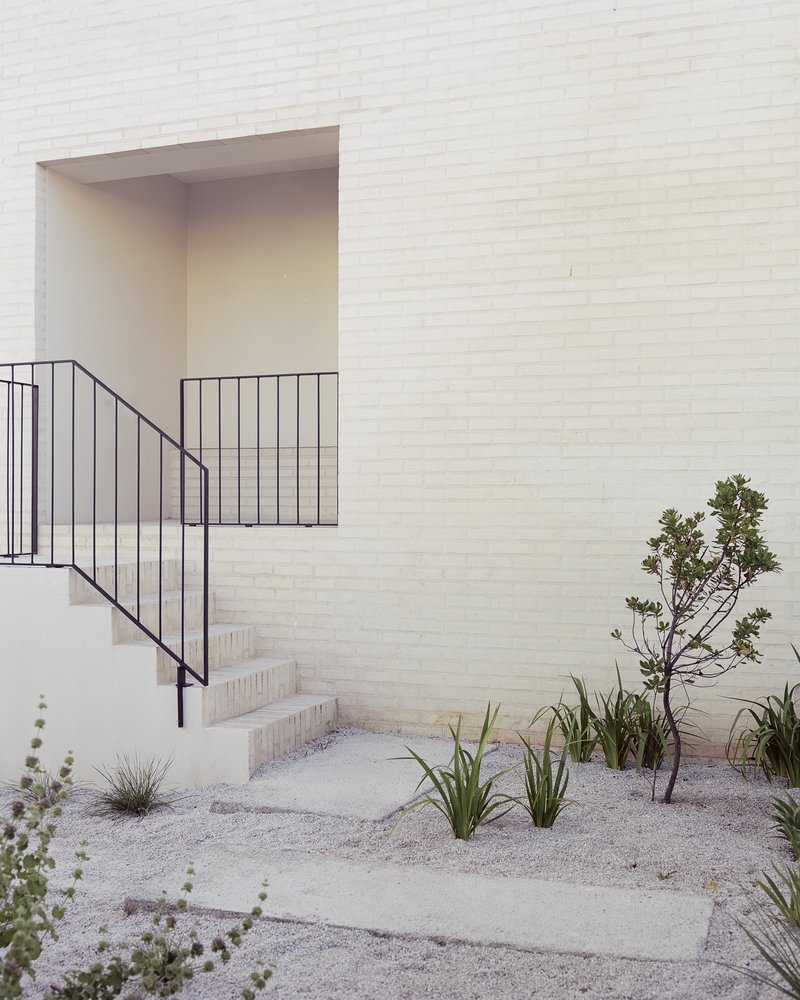
To accommodate financial constraints, our gaze shifted from the city center to a peripheral neighborhood, where each edifice tells its own historical tale through its unique scale and character. The project aims to consolidate the block's image, enhancing and framing the entire neighborhood, fostering a sense of community. Industrial components, requiring minimal maintenance yet ripe for reinvention, were meticulously chosen. White brick emerged as the unifying element, gracing façades, protecting and framing apertures, serving as ventilation devices, constructing staircases, and covering floors. Thus, seven homes were crafted, employing courtyards to cultivate intimacy and ensure thermal comfort in outdoor spaces.
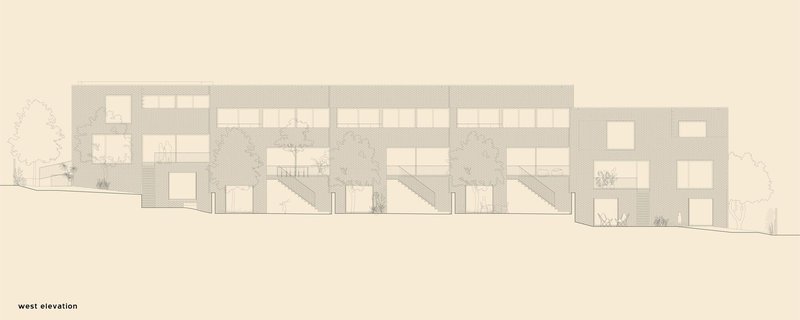
In the gardens, native or climate-adapted vegetation provides shade and wind protection, inviting a life en plein air. Social areas occupy the ground floors, while the sleeping quarters are nestled above. The garden maintains a dialogue with a spacious, flexible expanse, ready to embrace diverse modes of cohabitation, work, or leisure. And in the end, unlike an apartment complex, where units are identified by an arbitrary combination of numbers and letters, these homes are known by the names of their inhabitants: Silvia’s house stands gracefully beside João’s.
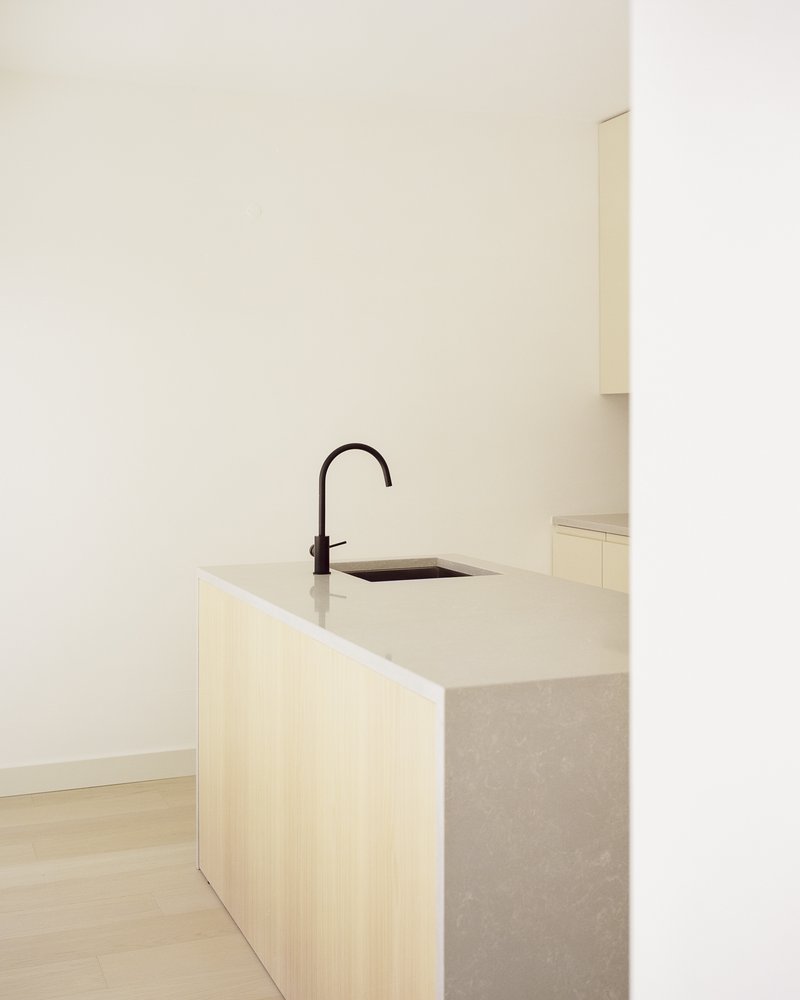
In this architectural symphony, the harmony of space, light, and materiality invites one to dwell not merely within walls but within a community, where each home's identity is as unique as the lives it shelters.