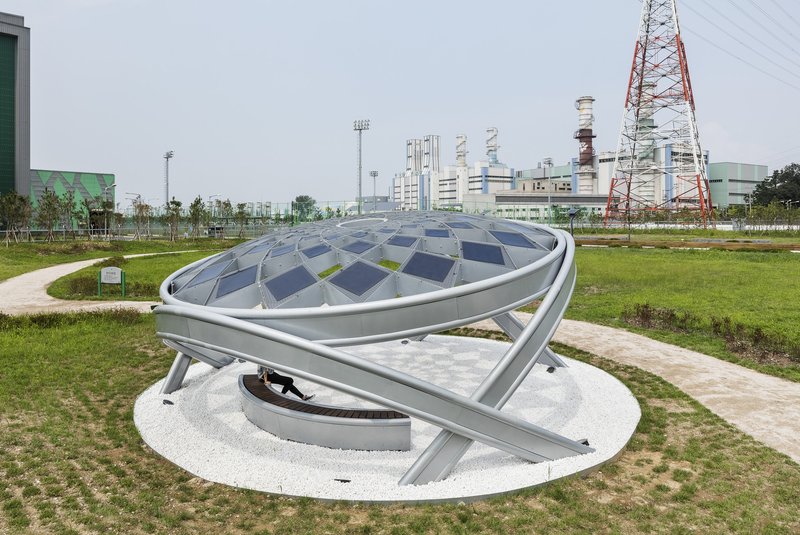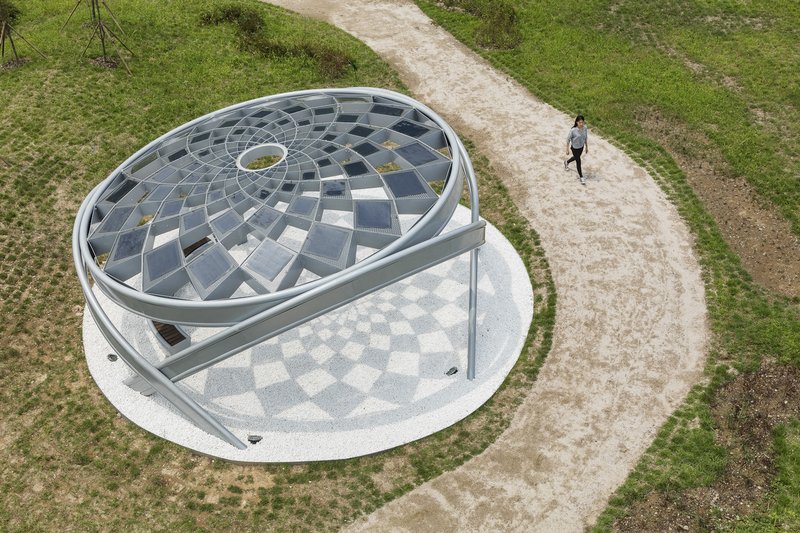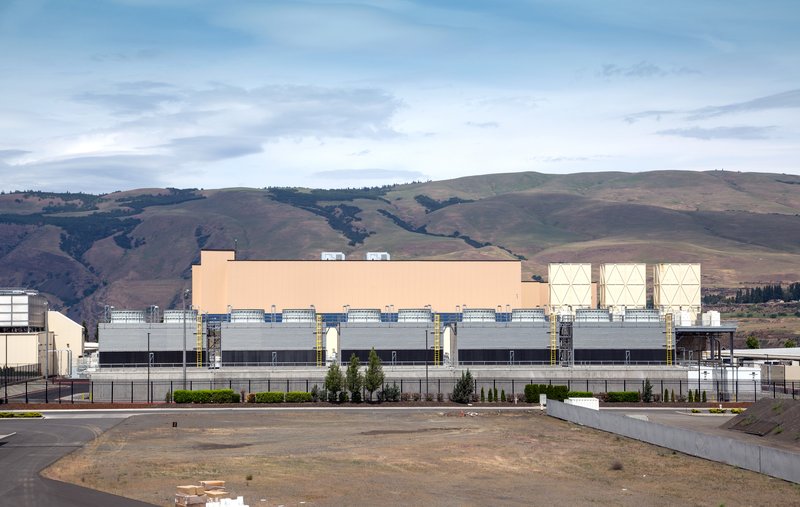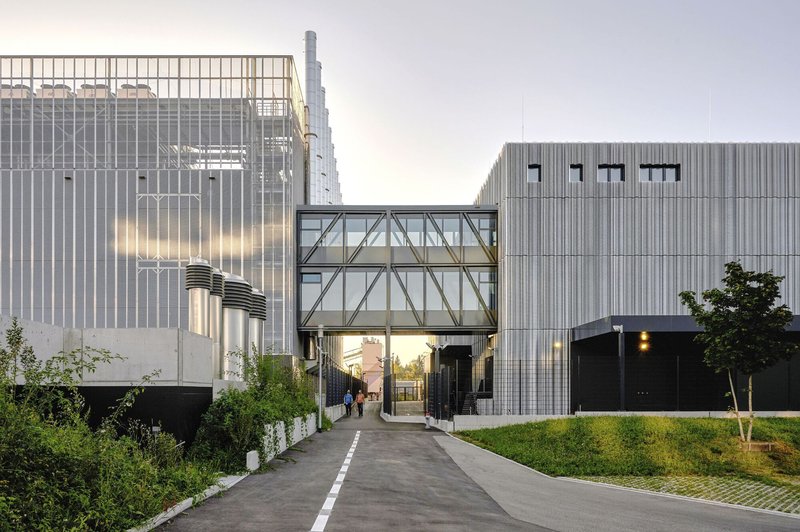
As the world turns its gaze to the horizon of sustainable futures, January 26 heralds the International Day for Clean Energy, a clarion call to embrace the transformative shift from fossil fuels to energy systems that harmonize with our planet's rhythms. In the lexicon of sustainable progress, 'clean' becomes a poetic metaphor for renewal, a departure from the finite to the infinite, from extraction to coexistence. In this evolving narrative, architecture emerges as both a canvas and a catalyst, crafting spaces that cradle the delicate balance between human ambition and ecological integrity.
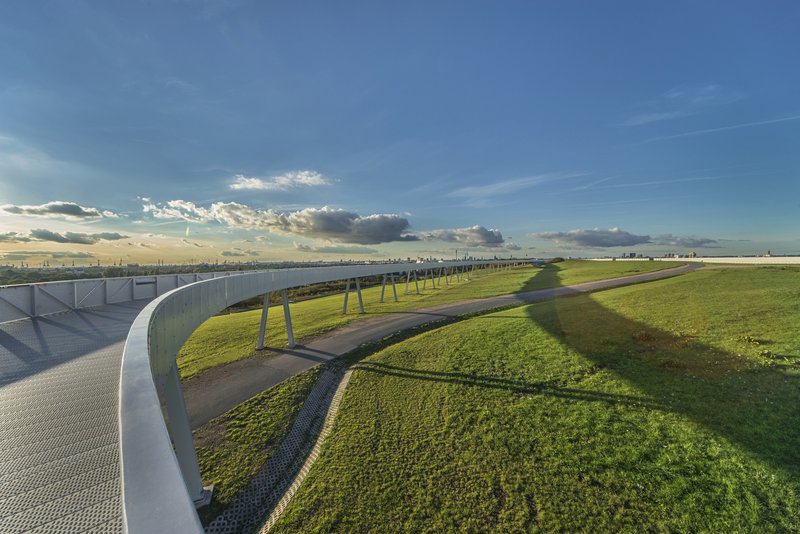
In the global symphony of climate change, clean energy resounds as a key player, reducing emissions while extending the promise of reliable power across geographies. Yet, the label 'clean' does not render these systems immune to the shadows they cast in production and deployment. Here, architectural knowledge becomes a beacon, guiding the transition toward enduring, sustainable energy landscapes. As the United Nations eloquently articulates, to curb climate change, the reliance on fossil fuels must cease, and our built environments must embrace clean, accessible, and reliable energy sources that illuminate and energize our lives.
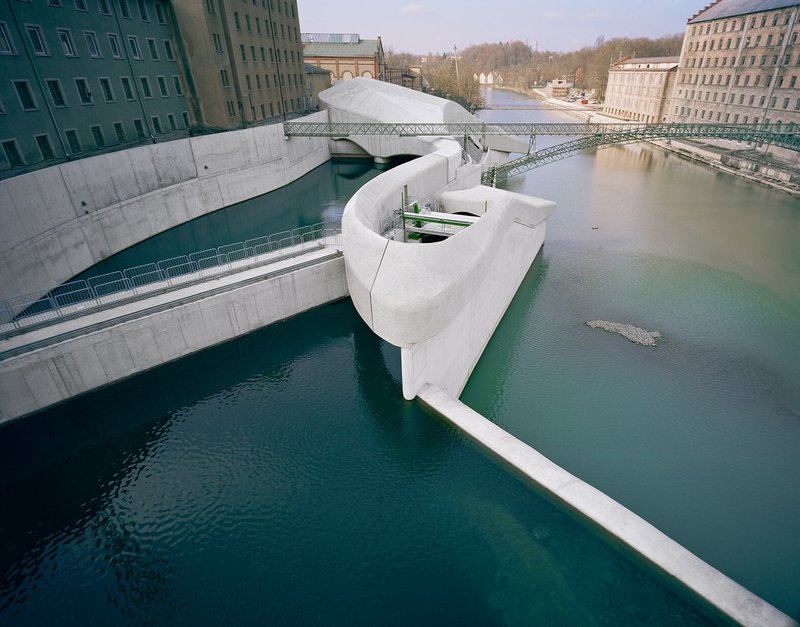
The architecture of clean energy is not merely about reducing carbon footprints; it is about redefining the footprints we leave on this Earth. Energy production, particularly from fossil fuels, etches deep marks on our planet, generating a significant share of greenhouse gases. Complicating this global tapestry is a persistent inequity in energy infrastructure, with many regions tethered to polluting fuels, perpetuating poverty and stifling opportunities for education and economic growth. Architecture and urban planning, therefore, hold the keys not only to expanding energy access but to enhancing energy efficiency, marrying technological innovation with spatial elegance.
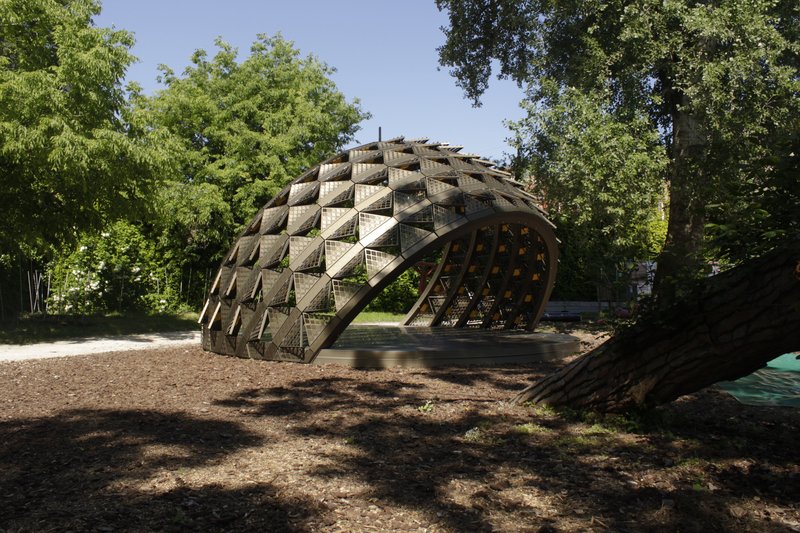
Understanding the choreography of energy sources and their integration into the built environment is vital for a just transition. As cities and communities worldwide amplify their efforts to combat climate change, two approaches emerge in the architectural dialogue. The first considers energy's territorial narrative, examining how infrastructure reshapes landscapes and ecosystems, often perpetuating patterns of inequality. The second focuses on the architectural and technical devices that capture, store, and consume energy, where design, placement, and materiality intertwine with environmental impact.
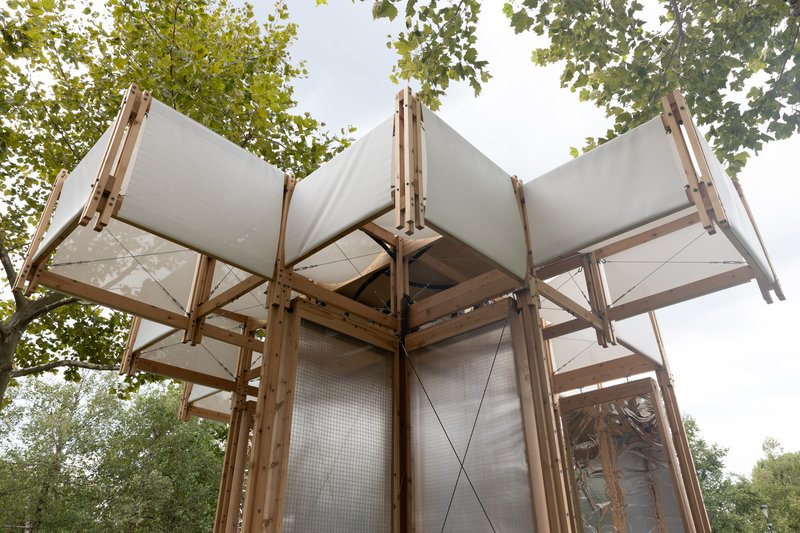
Renewable energy sources, such as wind, solar, geothermal, and hydropower, invite new forms of architecture and infrastructure, crafting pathways for energy to be harnessed, processed, and utilized. Yet, even these 'clean' strategies often rely on the intensive use of precious resources, birthing 'sacrifice zones.' These areas, too often inhabited by marginalized communities, bear the brunt of environmental degradation, compromising quality of life and ecological balance. Thus, the challenge lies in crafting responses that prioritize local contexts and embrace circular thinking, reducing the need for extraction and long-distance transport.
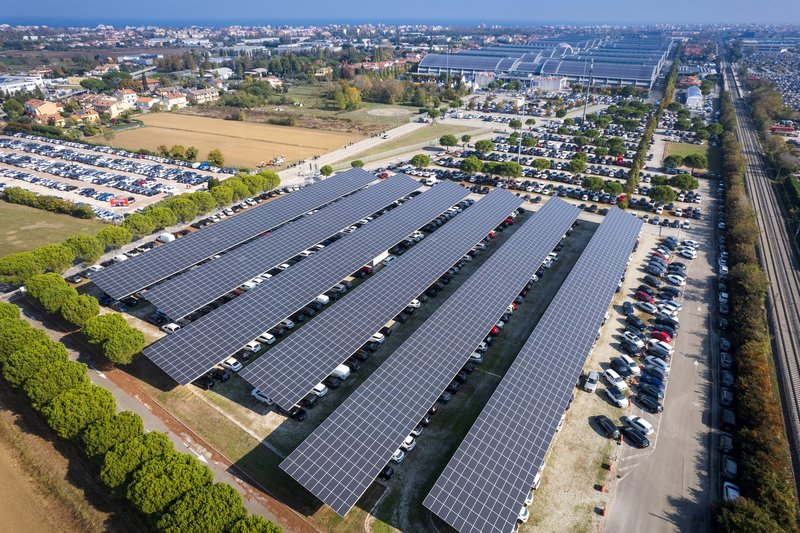
Recent architectural vignettes illustrate this paradigm shift. The 2025 Venice Architecture Biennale lauded Bahrain's pavilion for its passive strategies to cool public spaces, while Henning Larsen's KlimaKover offered a modular, low-energy solution for thermal comfort. These designs echo a commitment to environmental responsiveness, a theme further explored by MVRDV in its kinetic SOMBRA Pavilion. On a broader scale, Finland's integration of waste heat from cryptocurrency mining into district heating systems exemplifies how local solutions can significantly reduce reliance on traditional fuels.
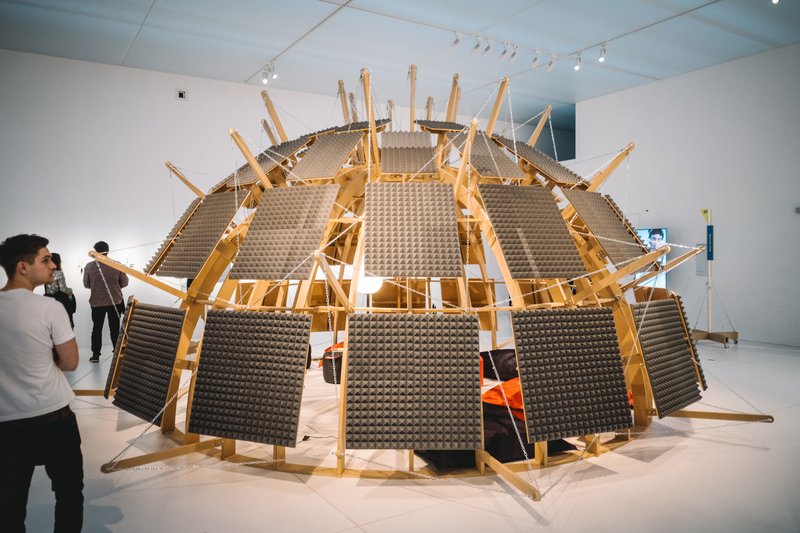
Beyond grand infrastructural gestures, alternative energy sources permeate everyday life through architectural elements such as panels, turbines, and batteries. These devices, while facilitating the harvest and consumption of energy, also bear environmental and economic implications linked to their materials and manufacturing. As renewable energy becomes more accessible, driven by plummeting costs, the architectural landscape must navigate the complexities of materiality and lifecycle management, ensuring that sustainability is not merely a veneer but a foundational ethos.
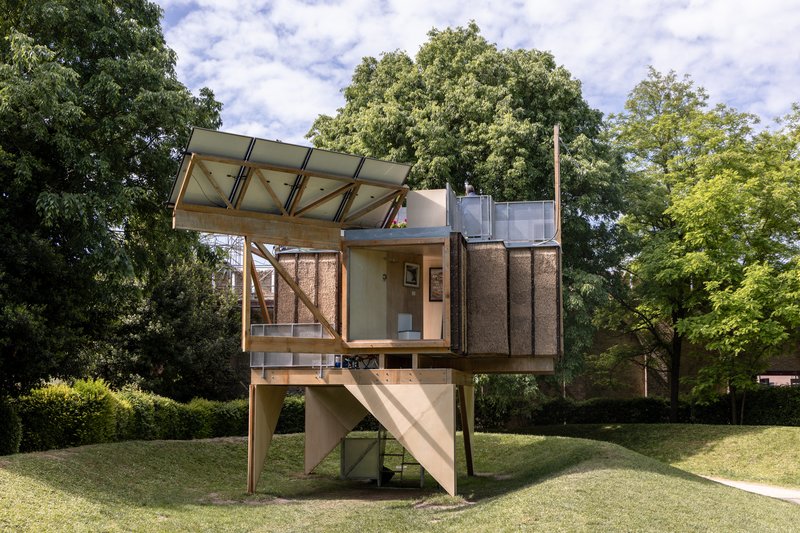
In this delicate dance of design and energy, architecture stands as a testament to human ingenuity and ecological stewardship, crafting spaces that honor the whispers of nature while embracing the promise of a cleaner horizon.