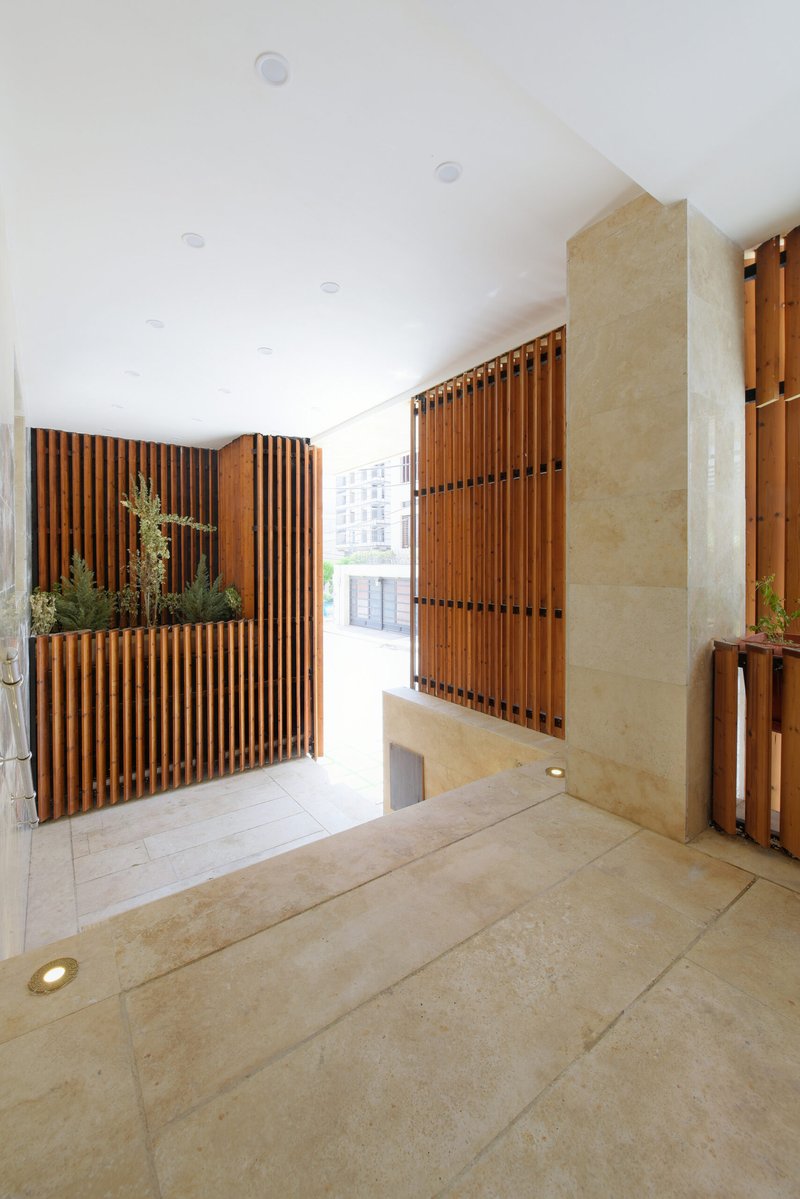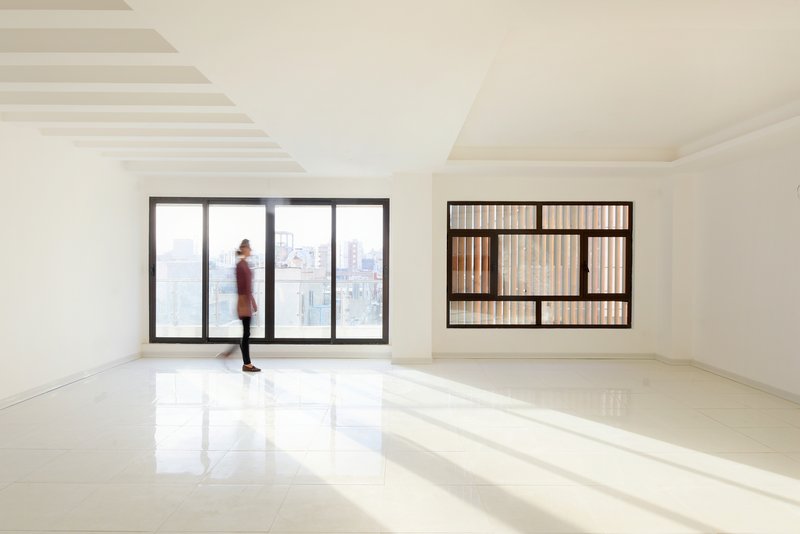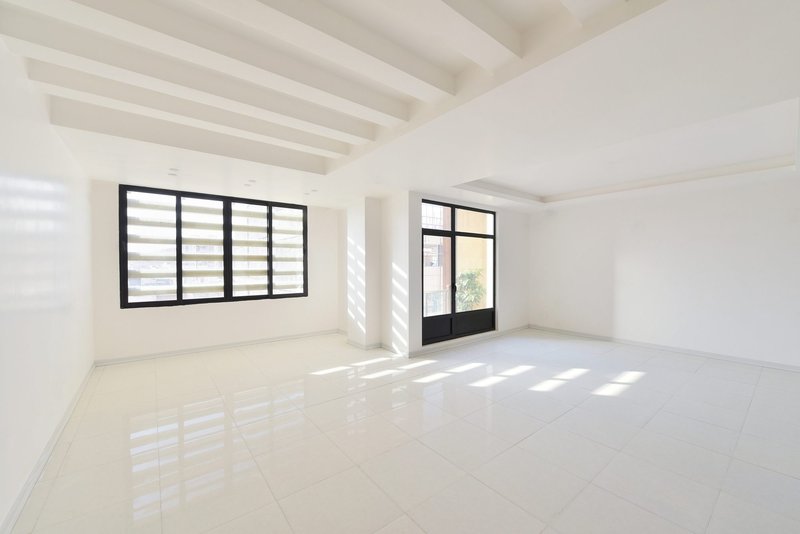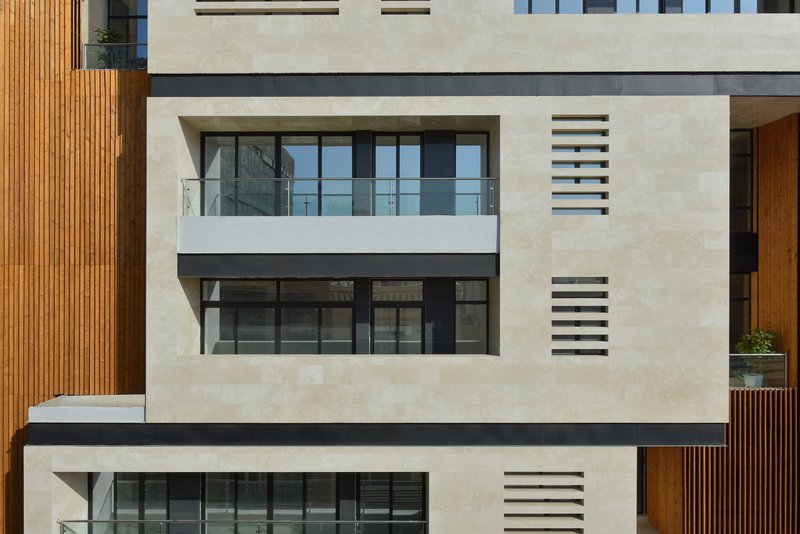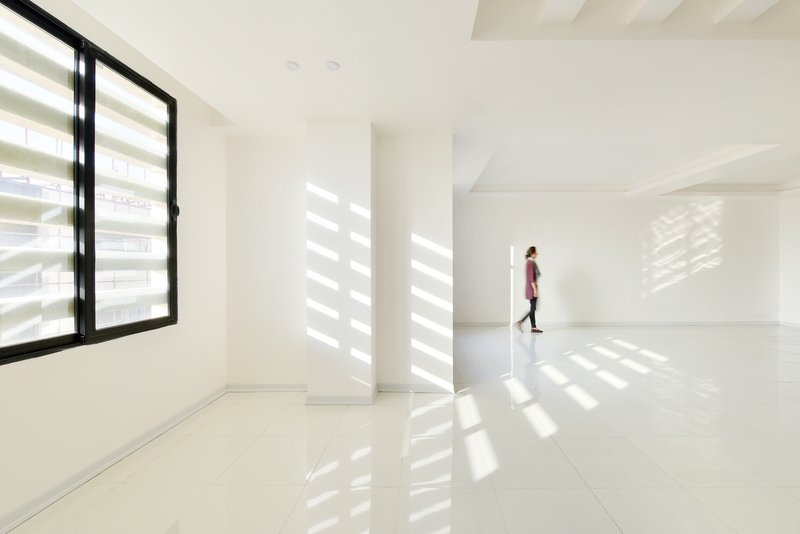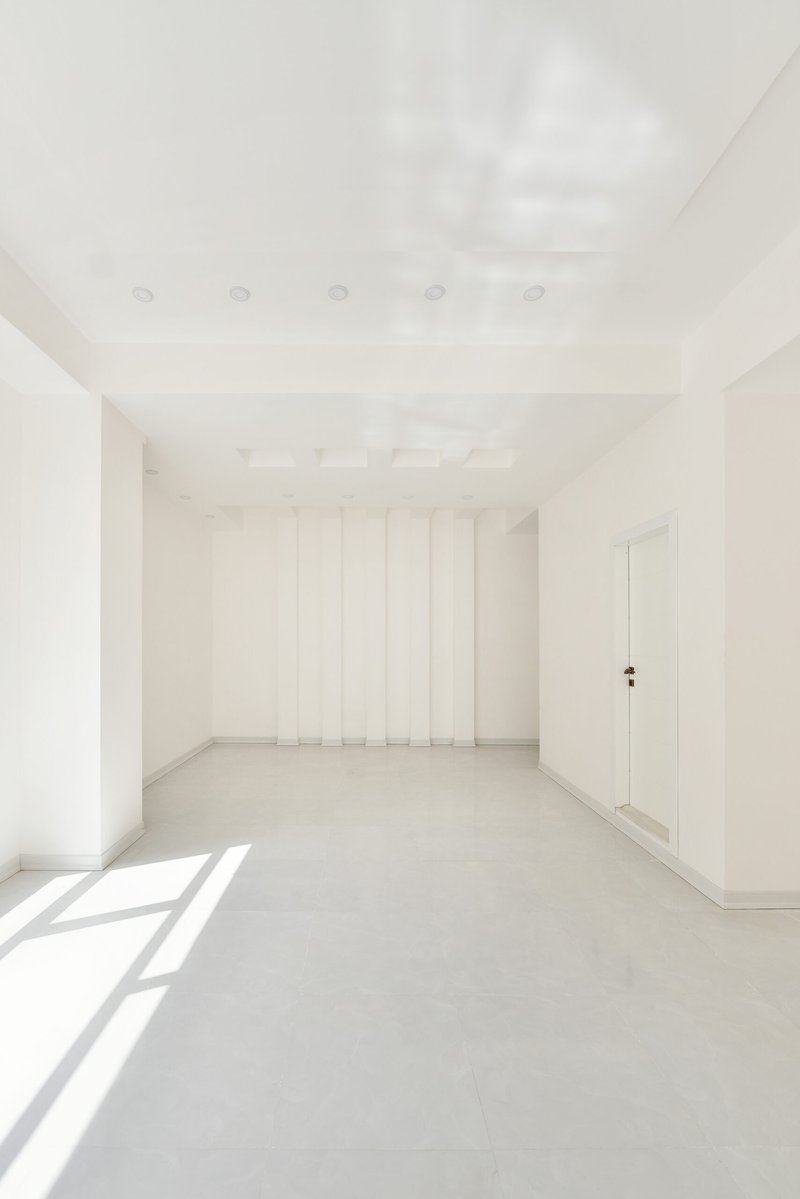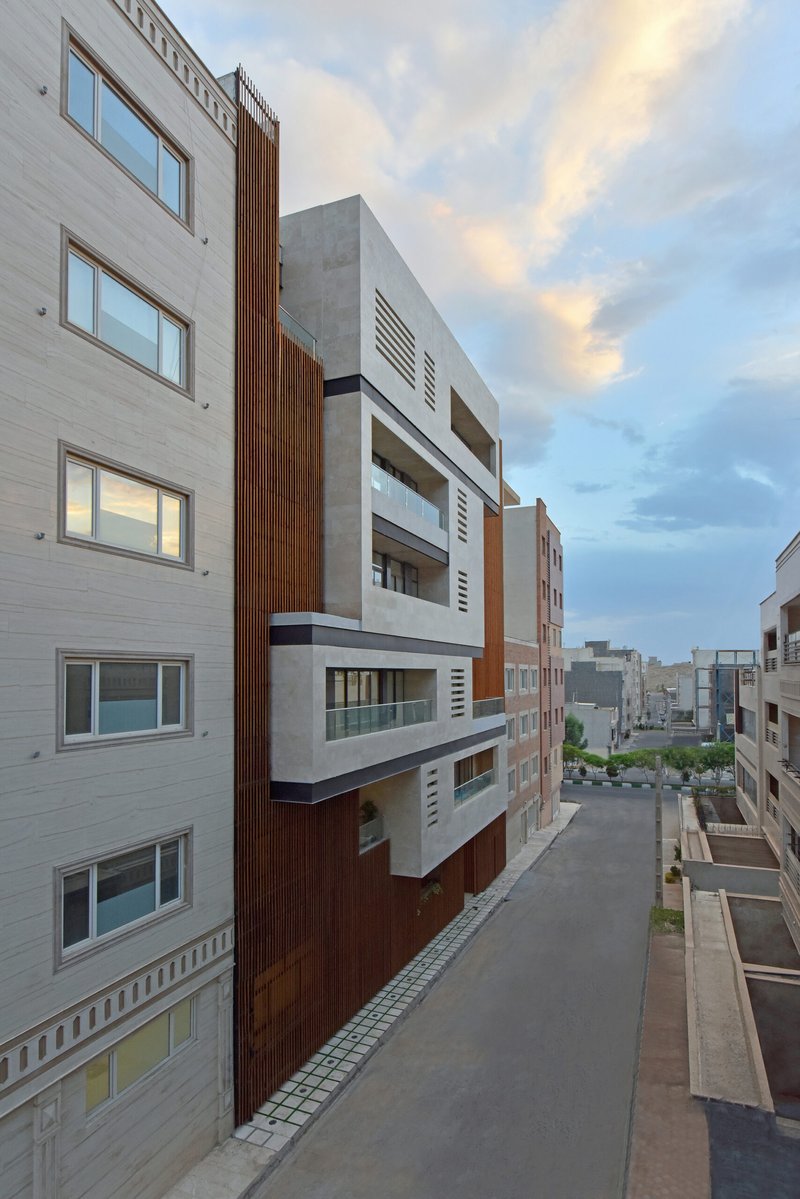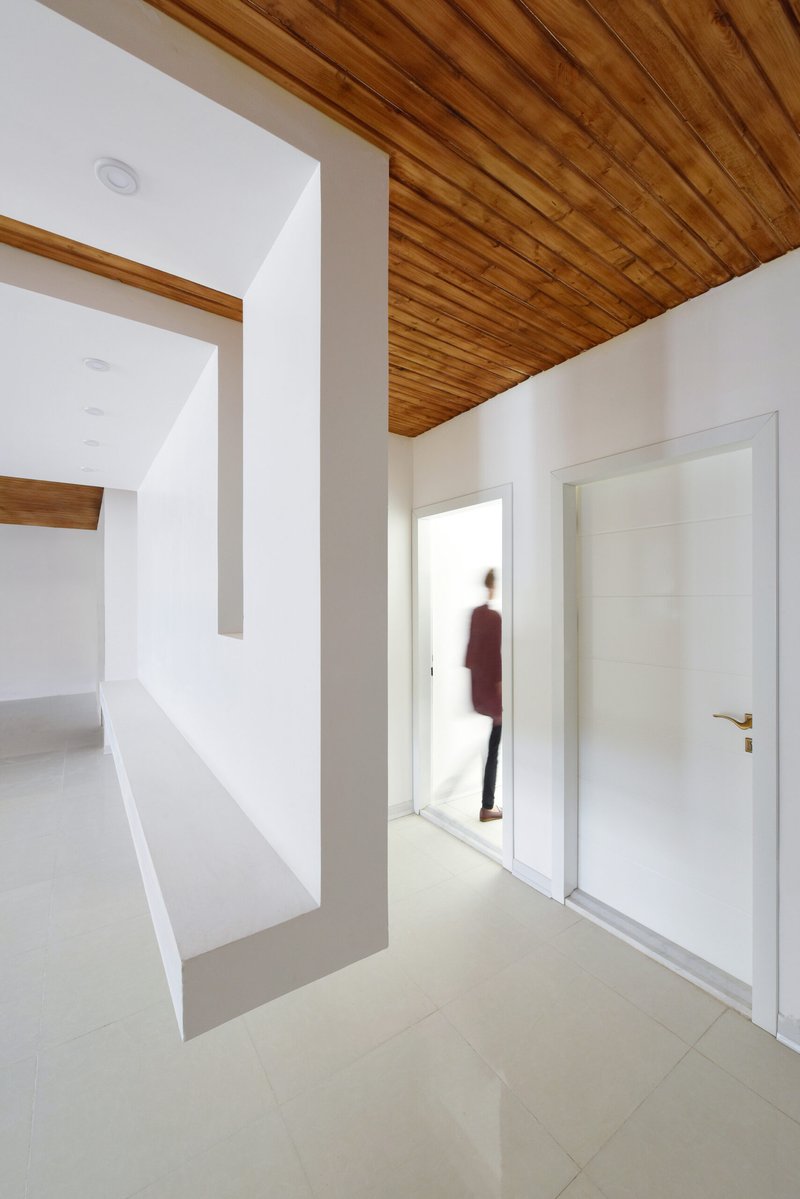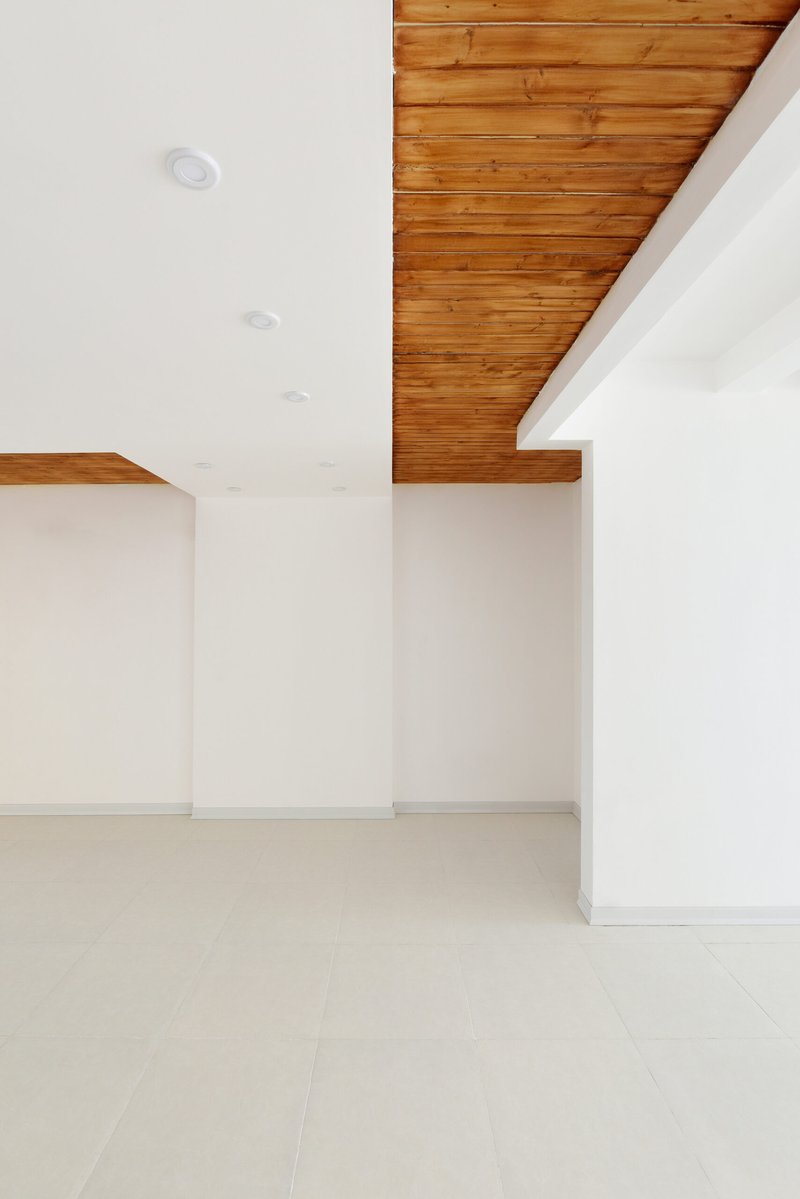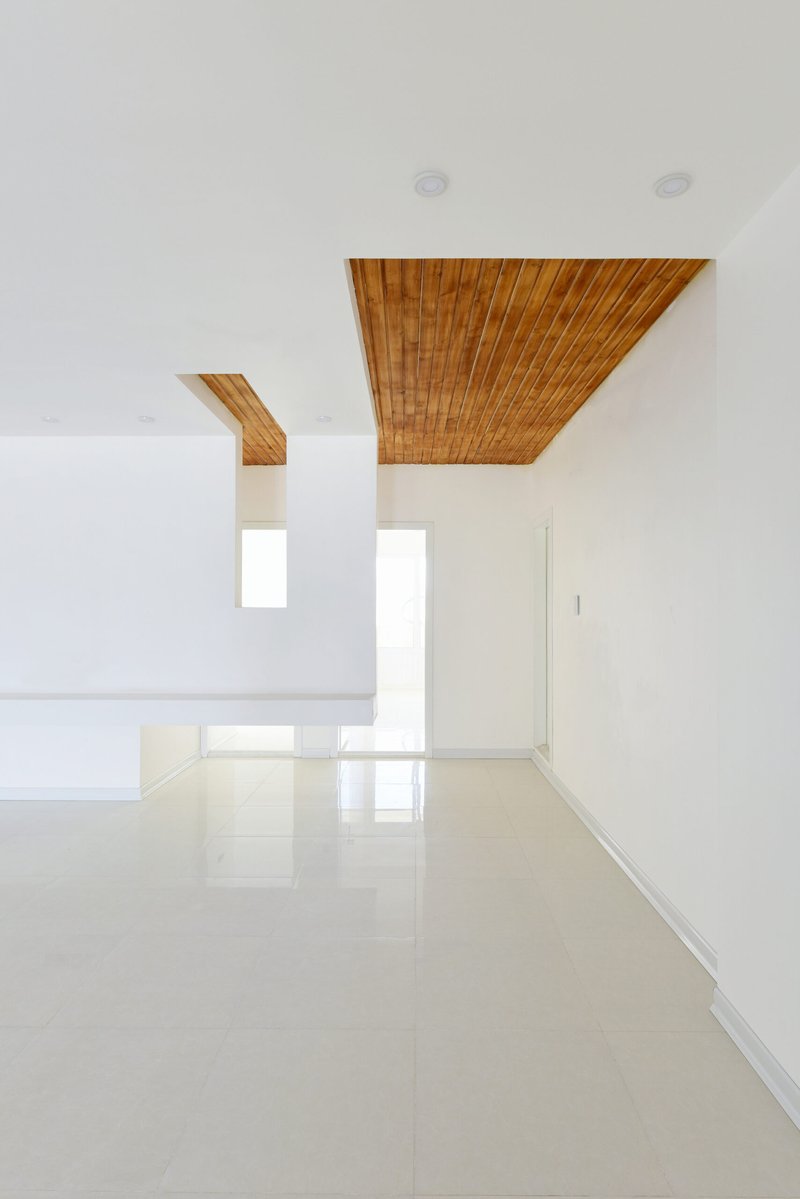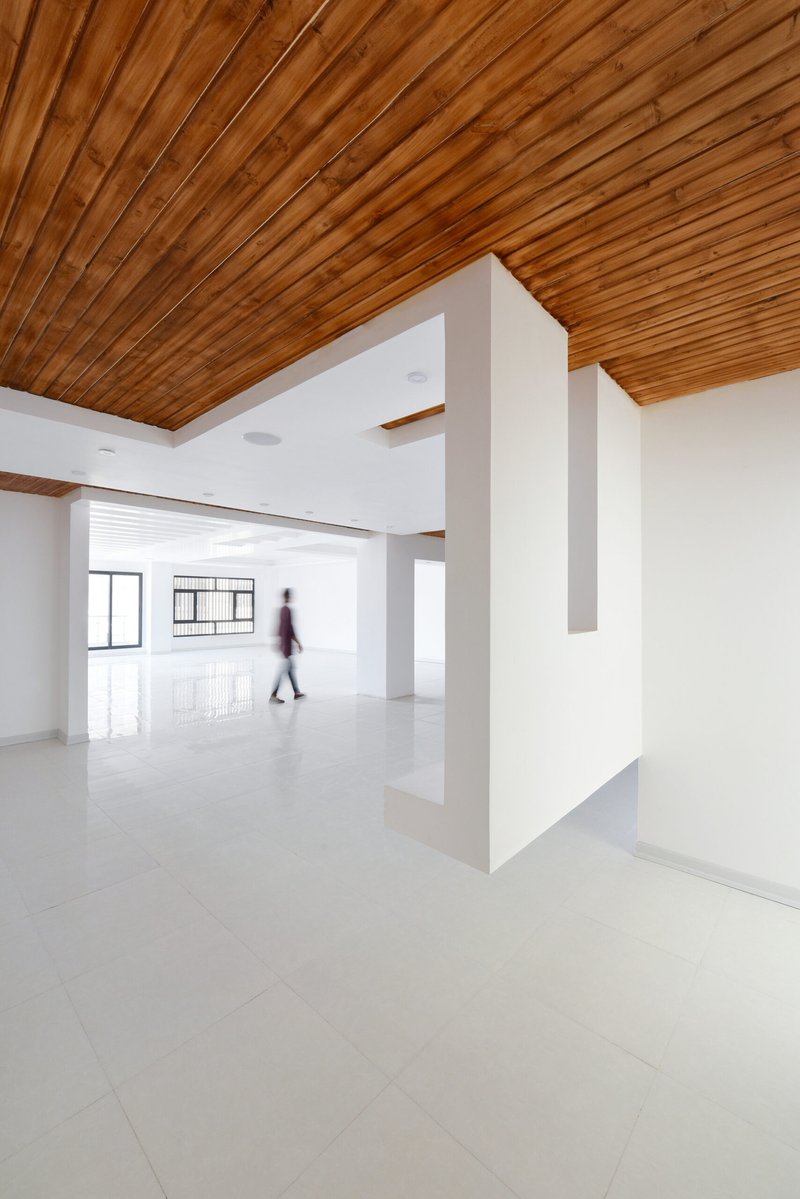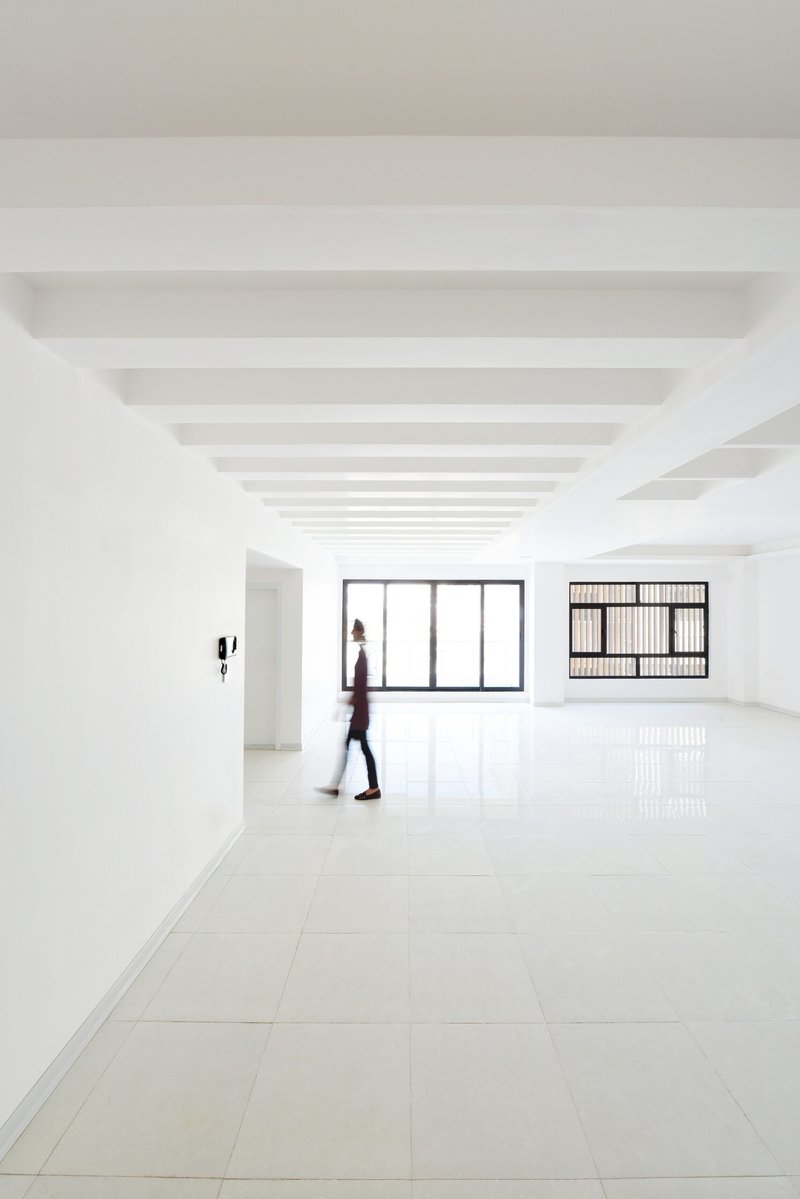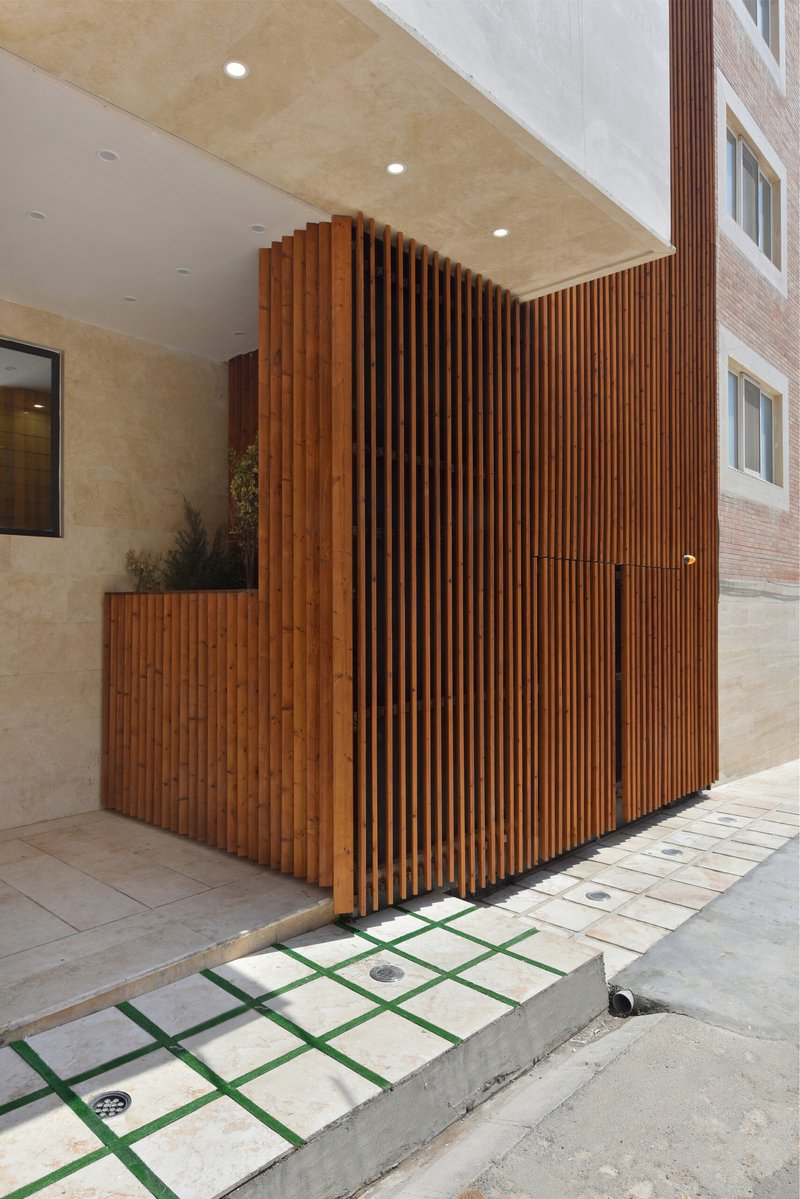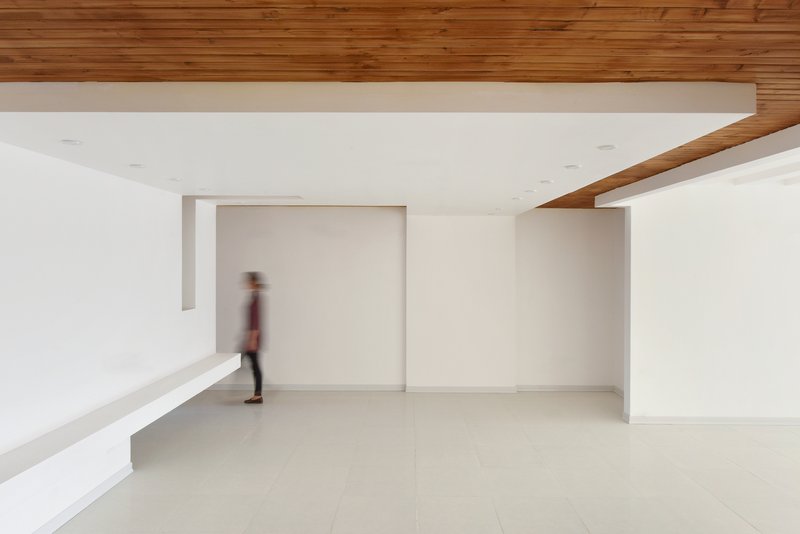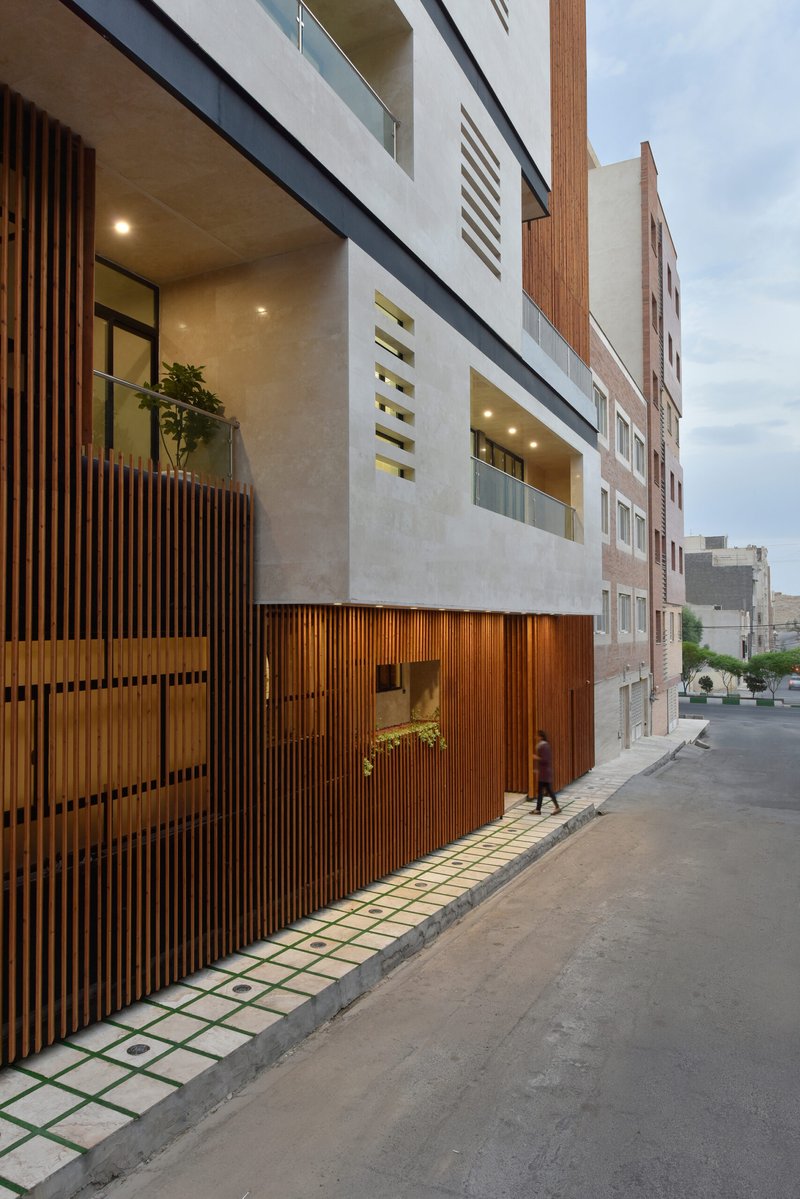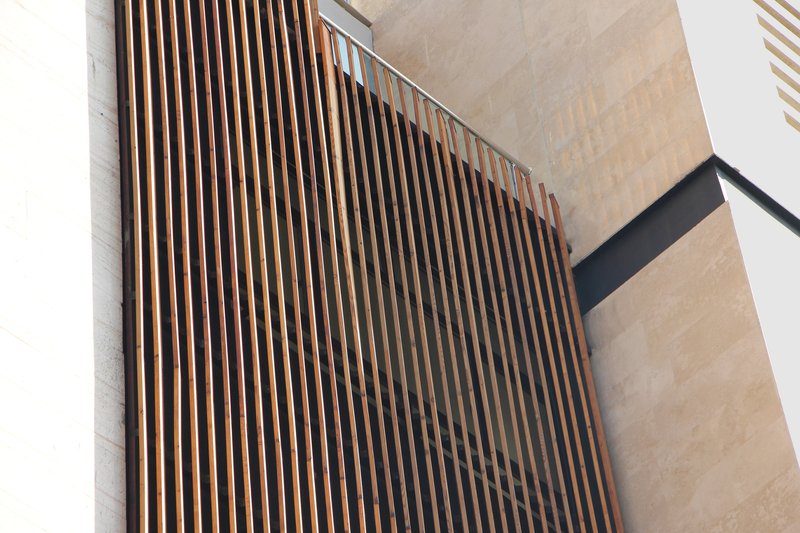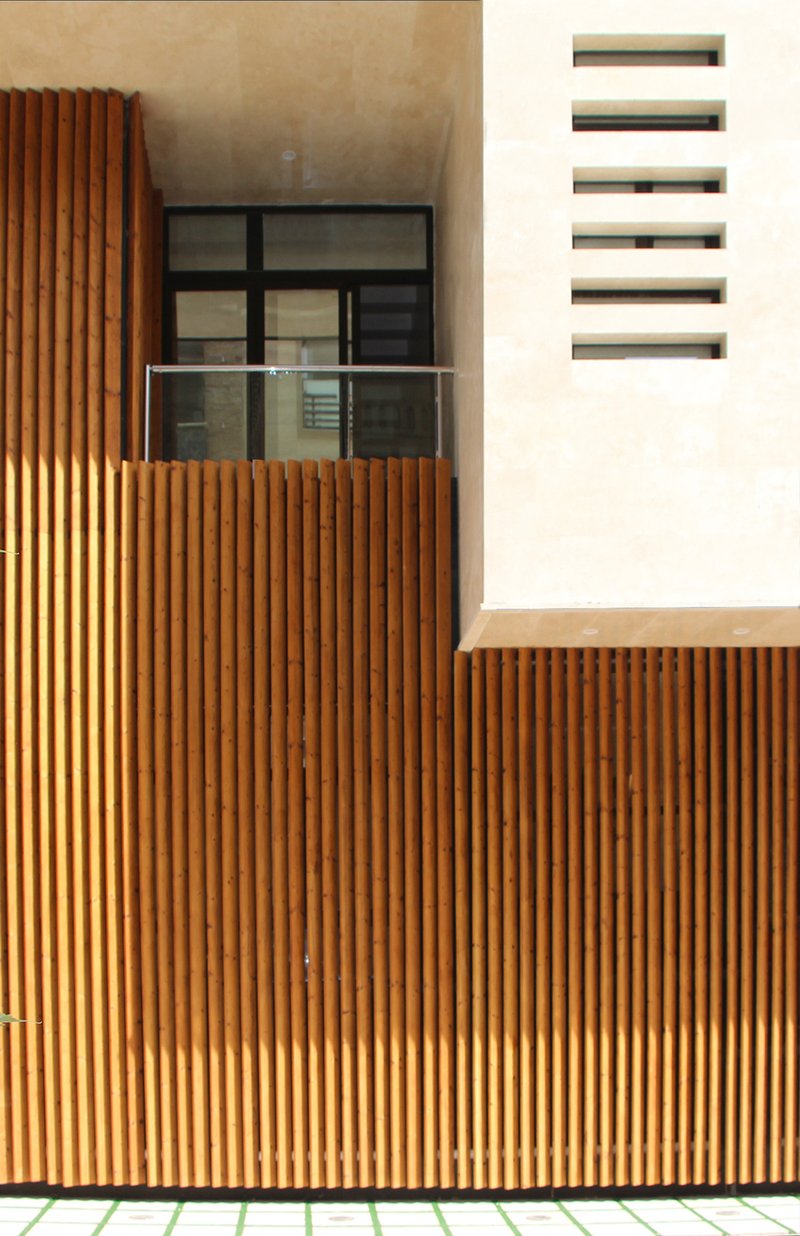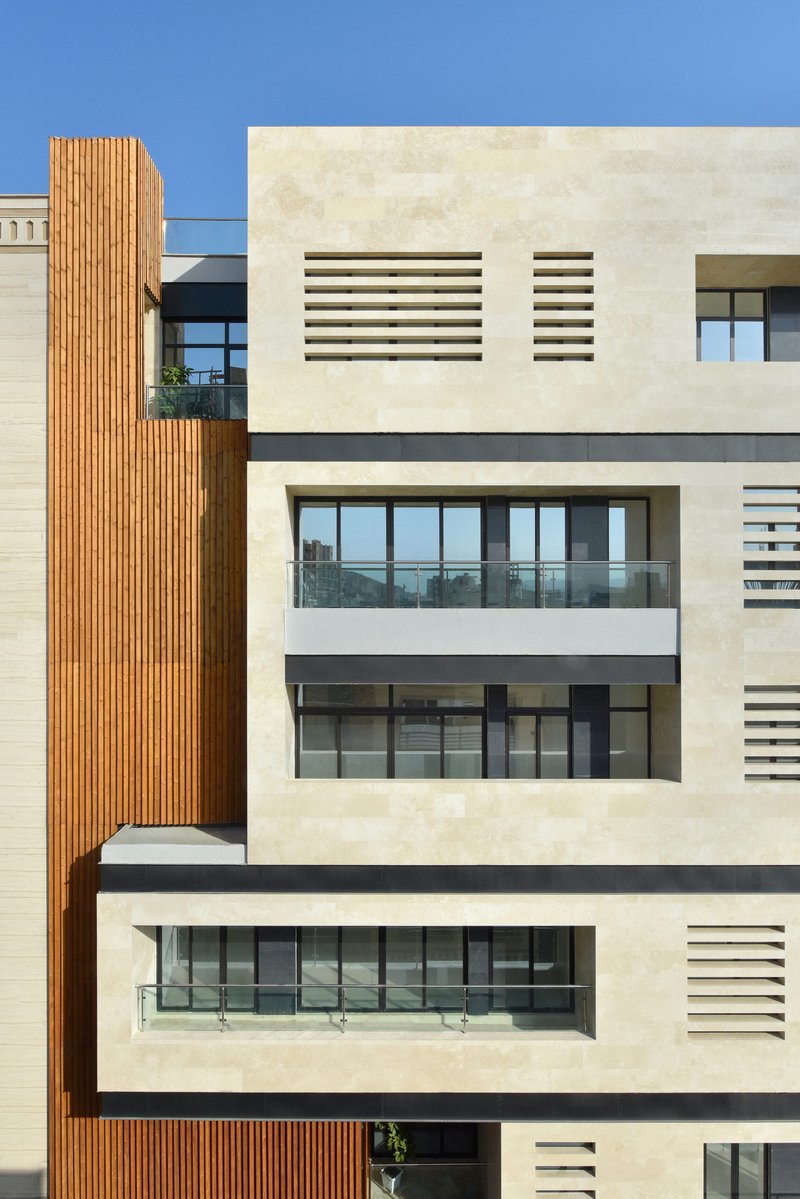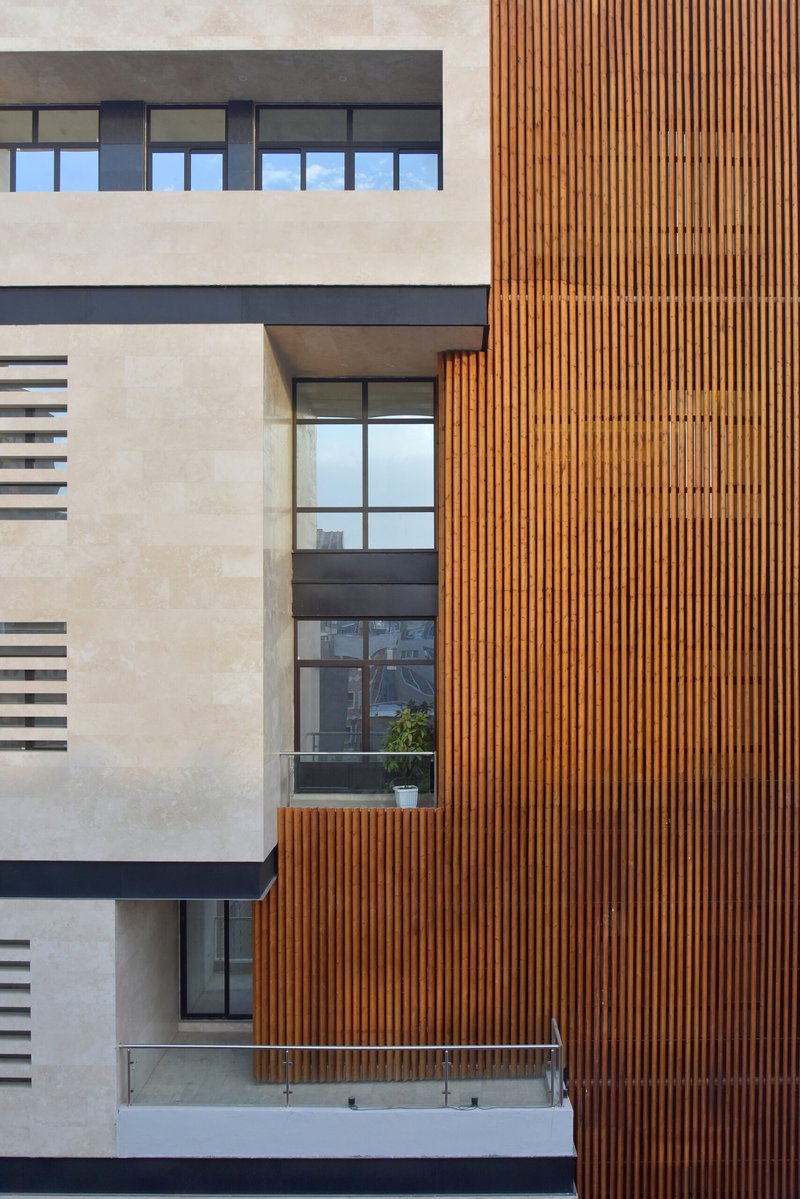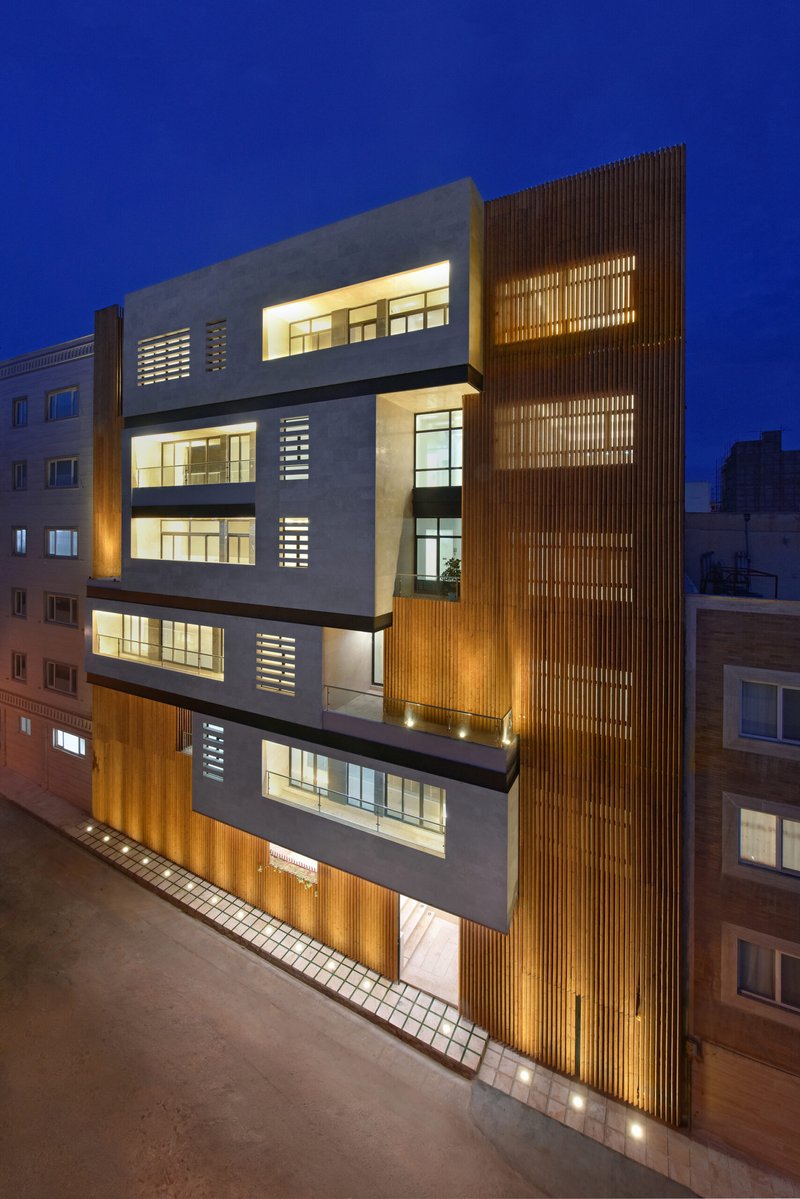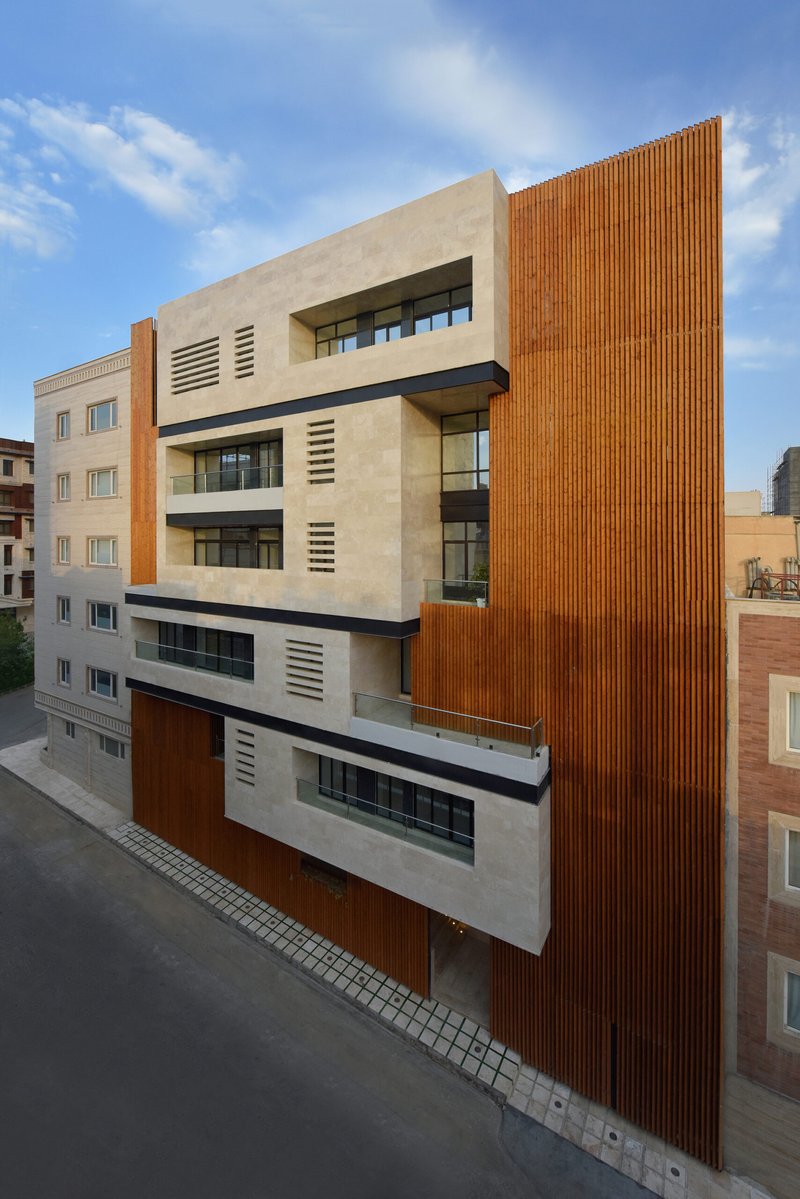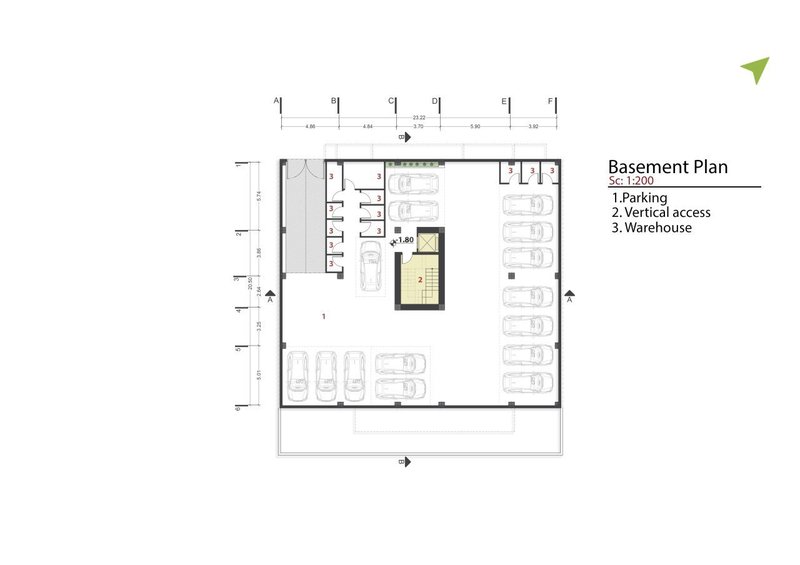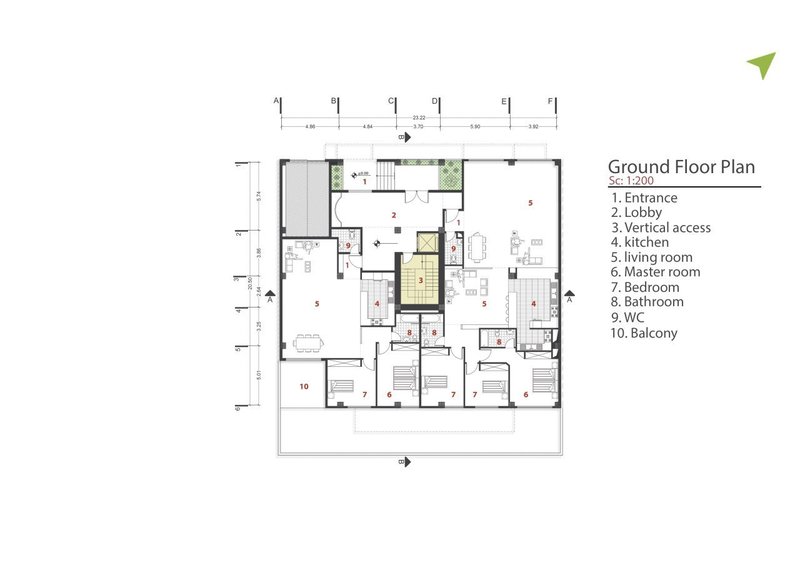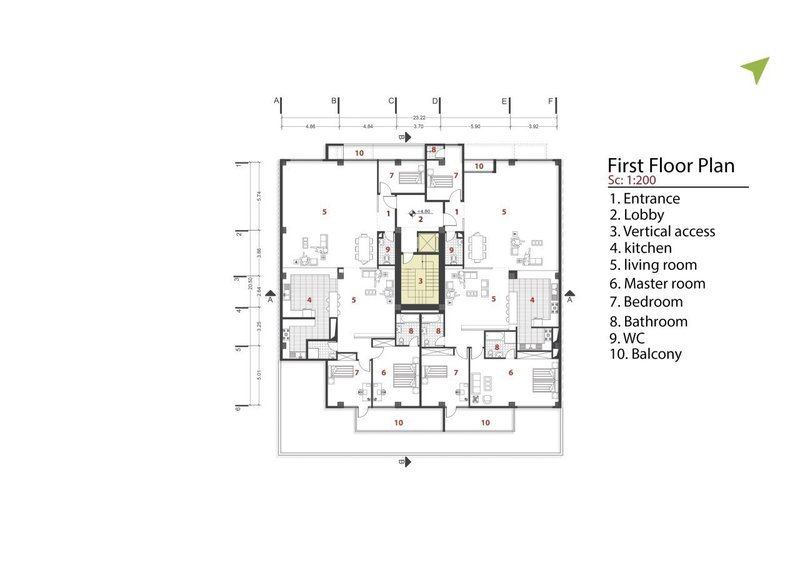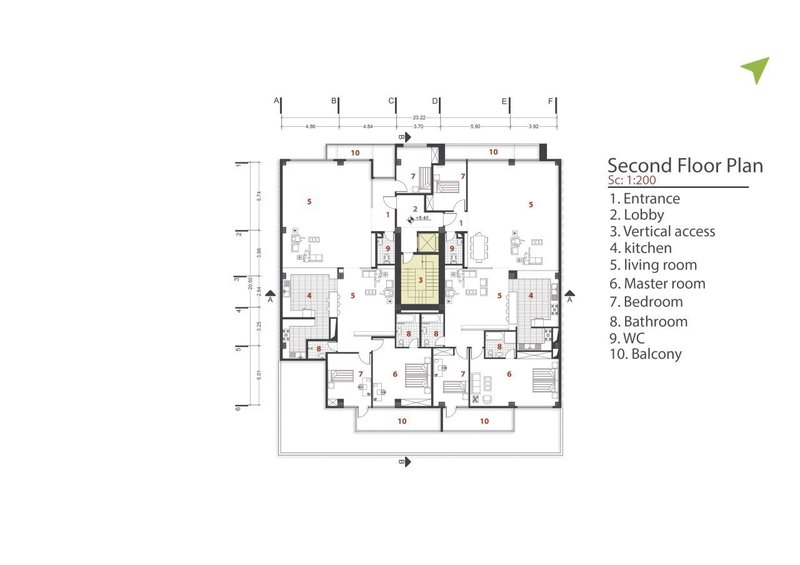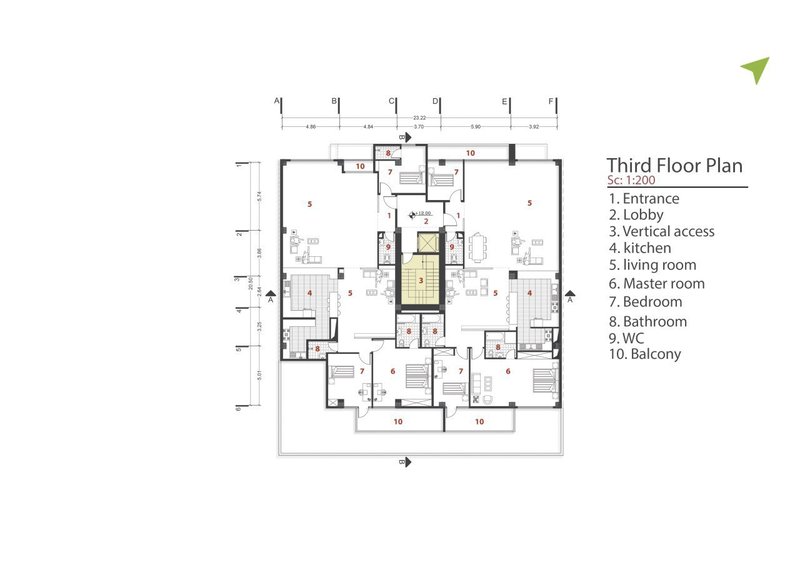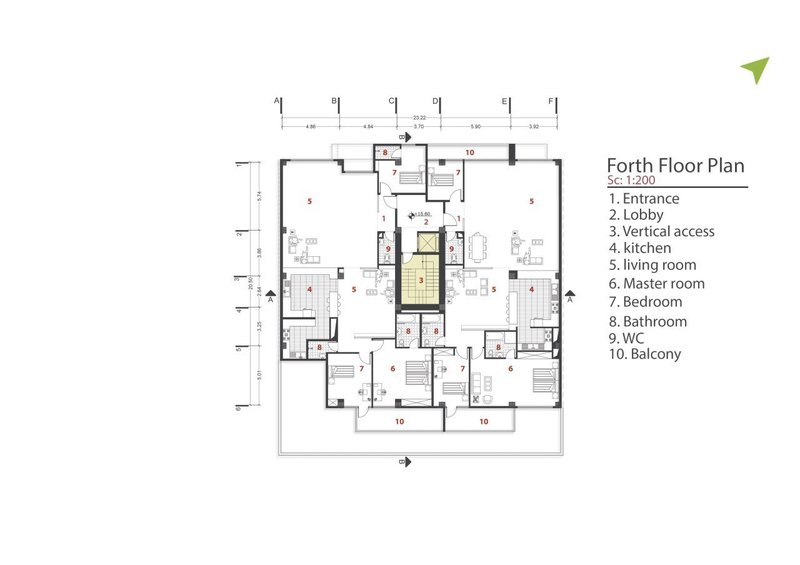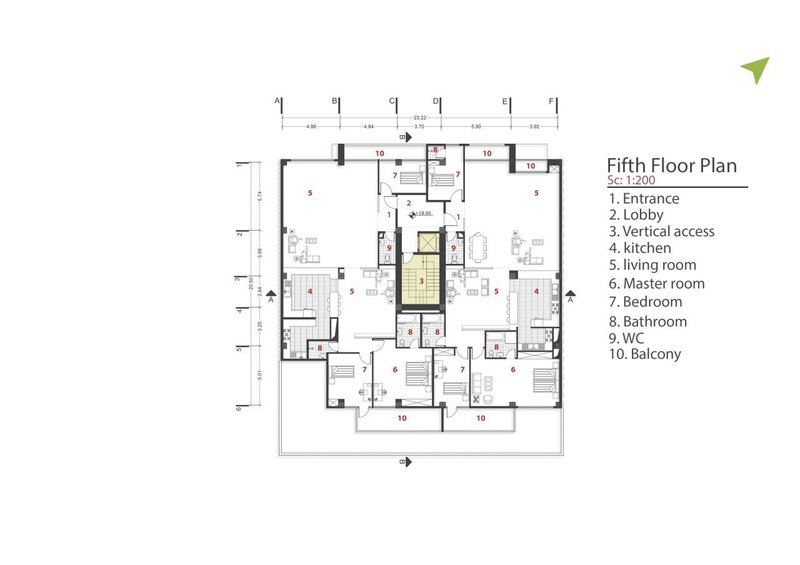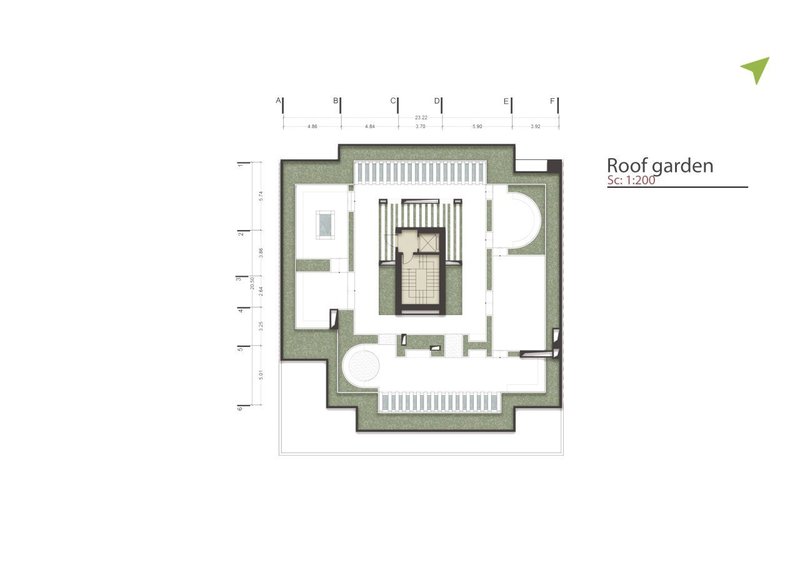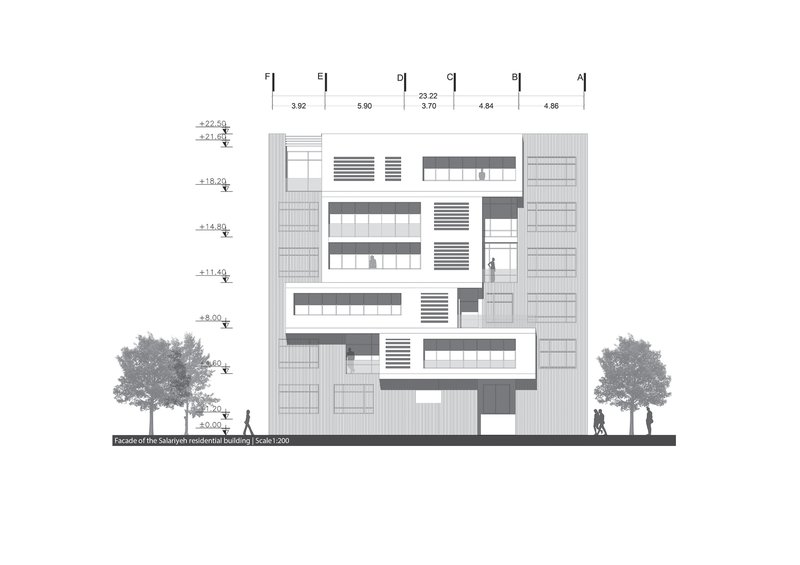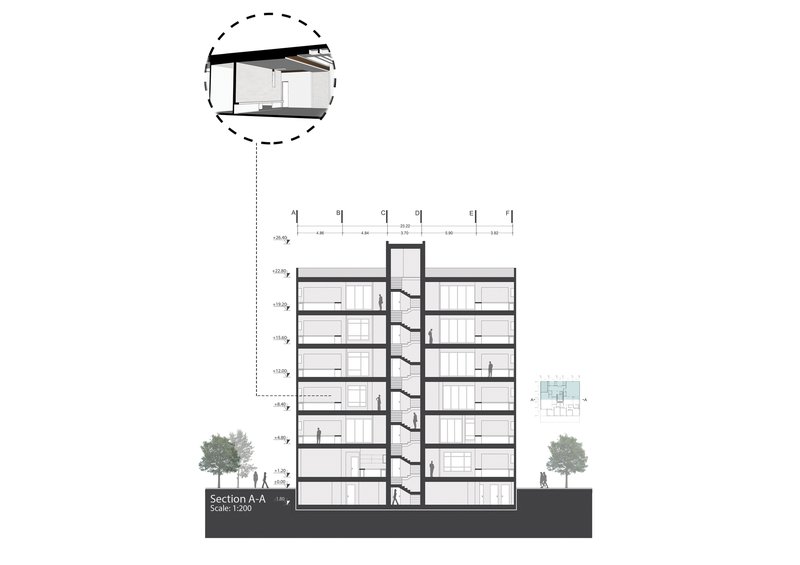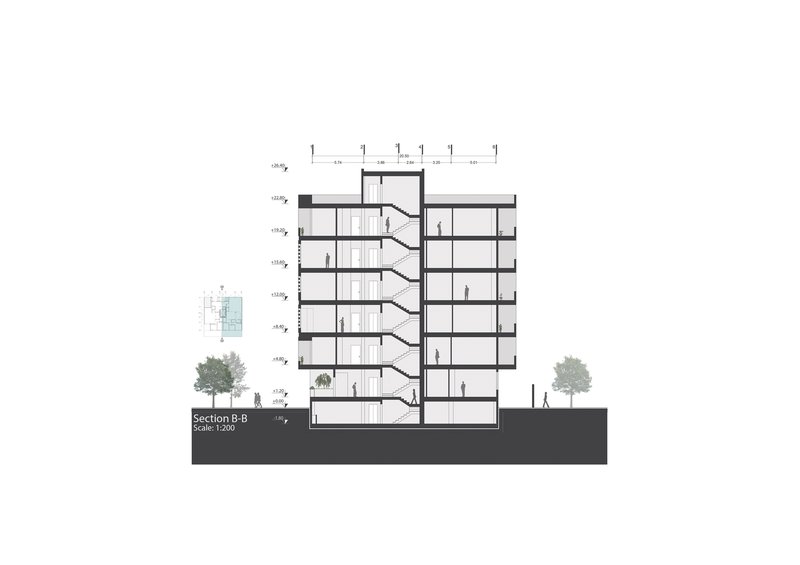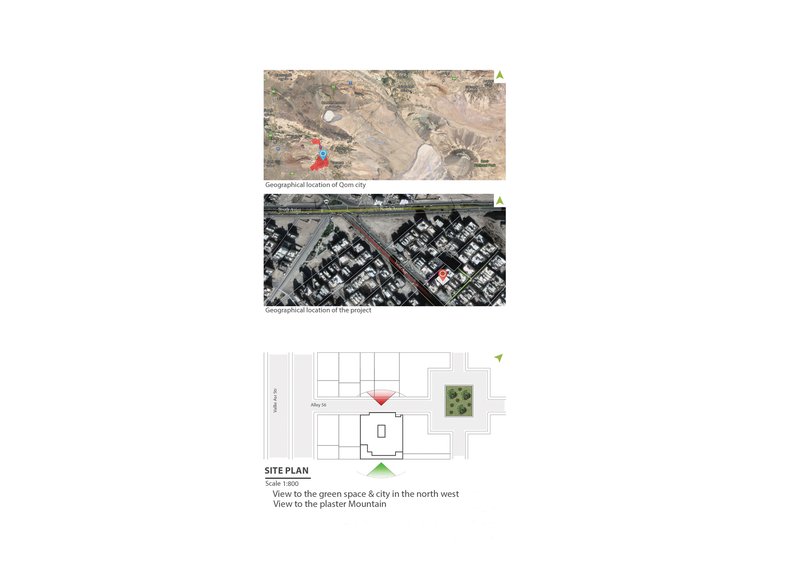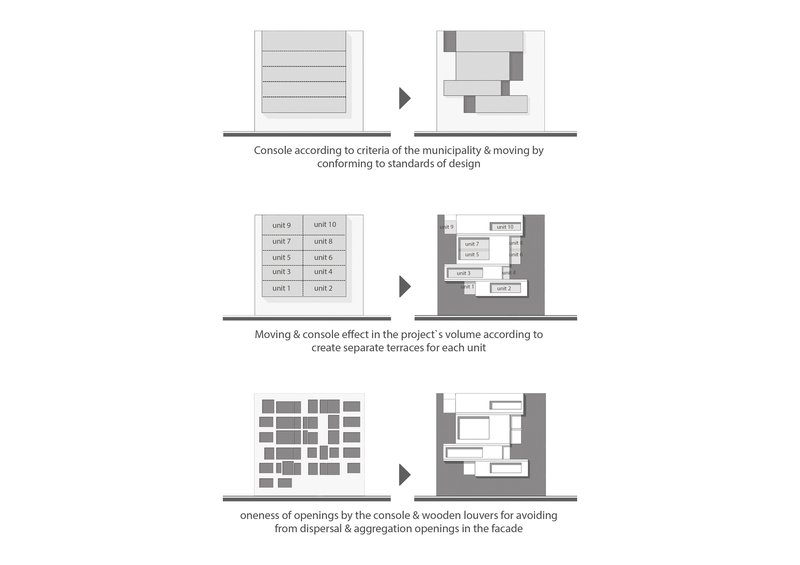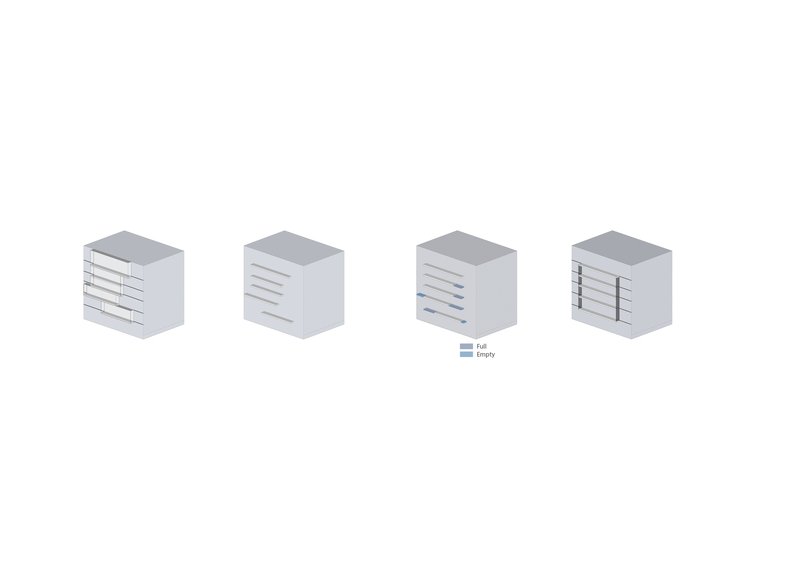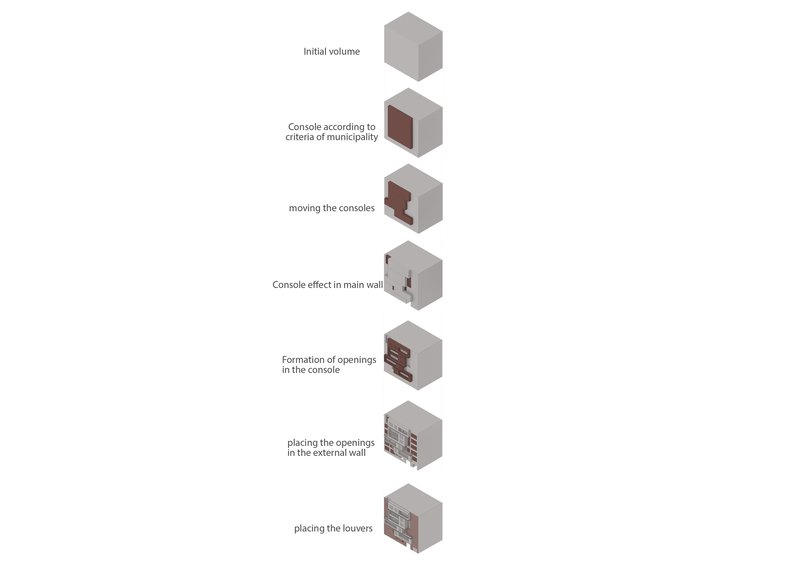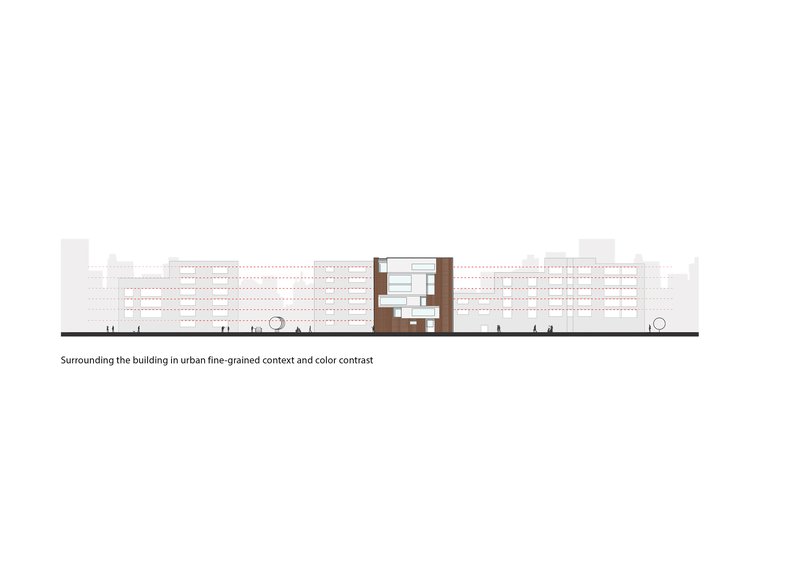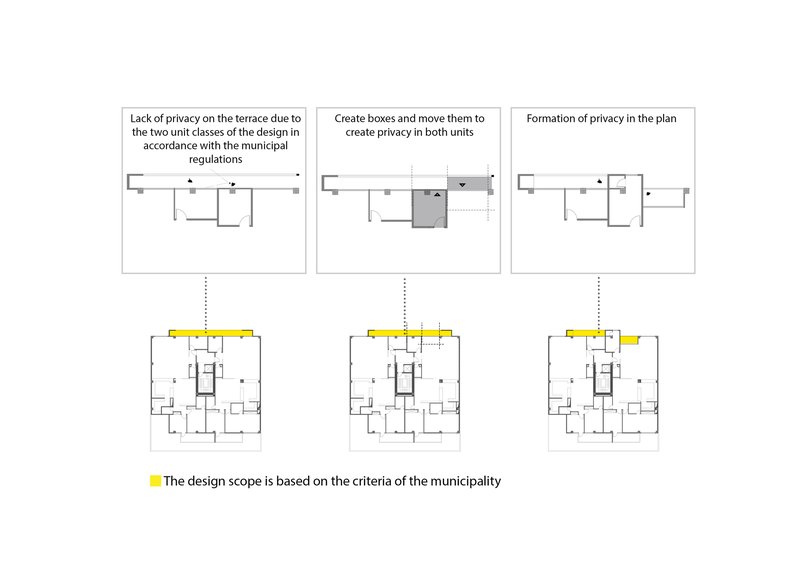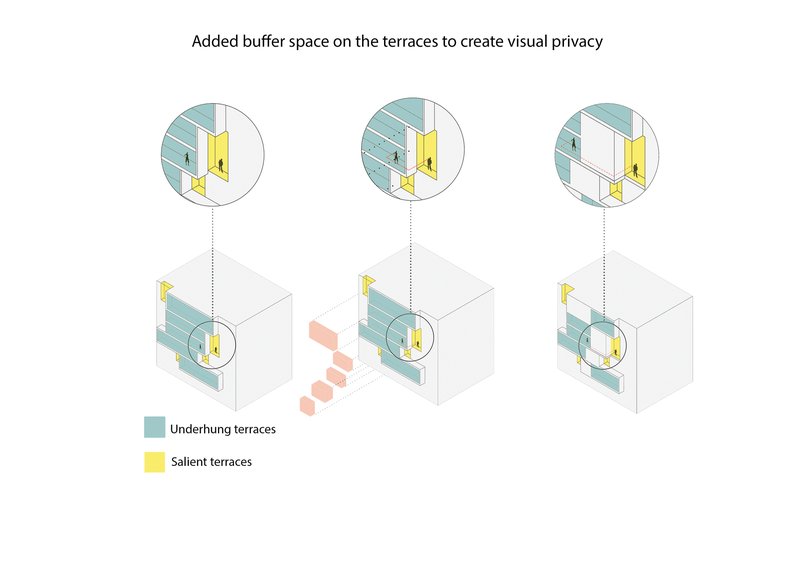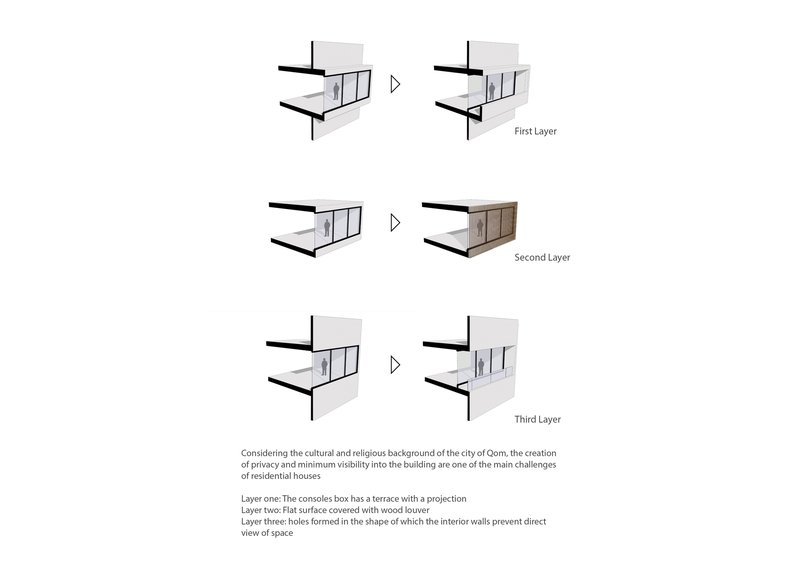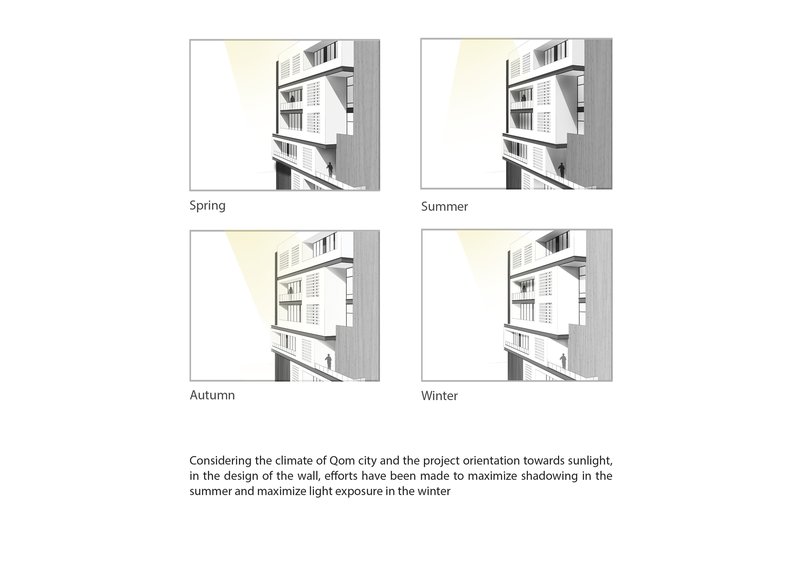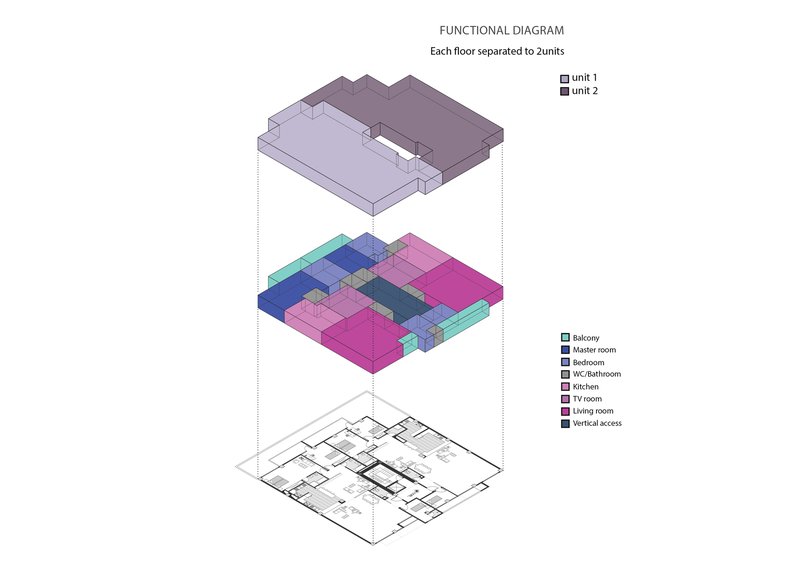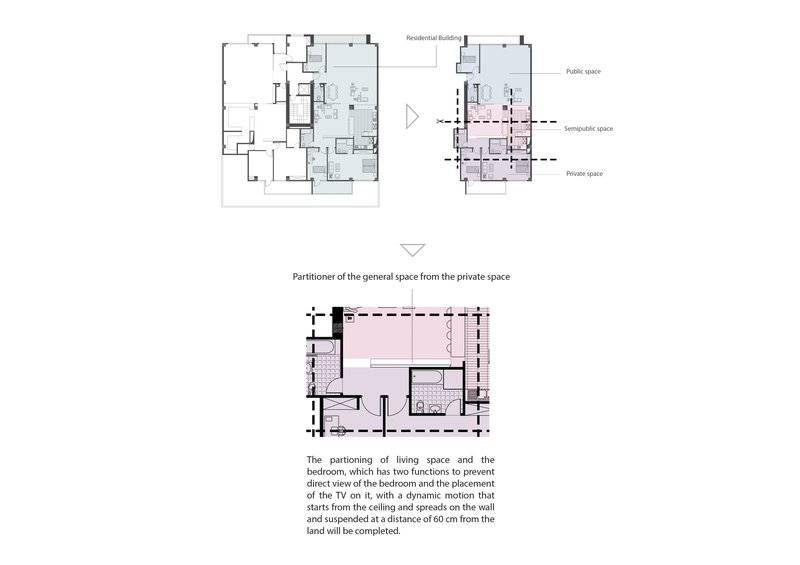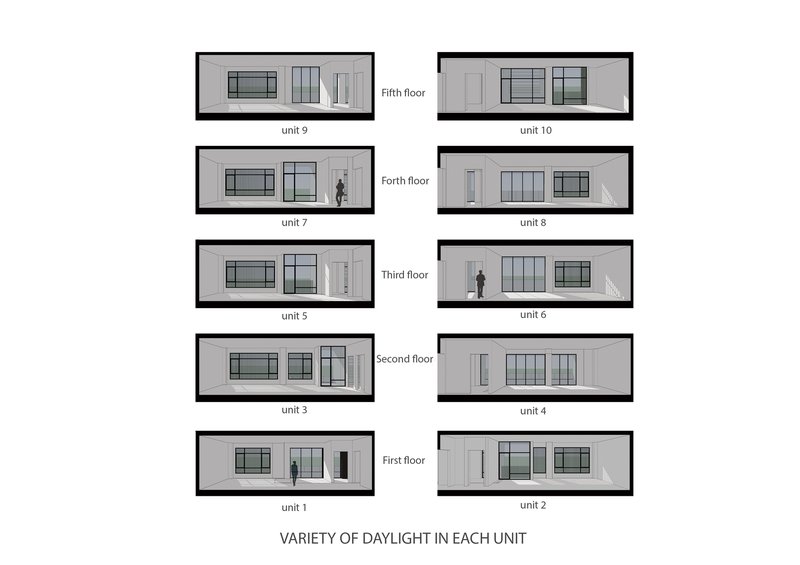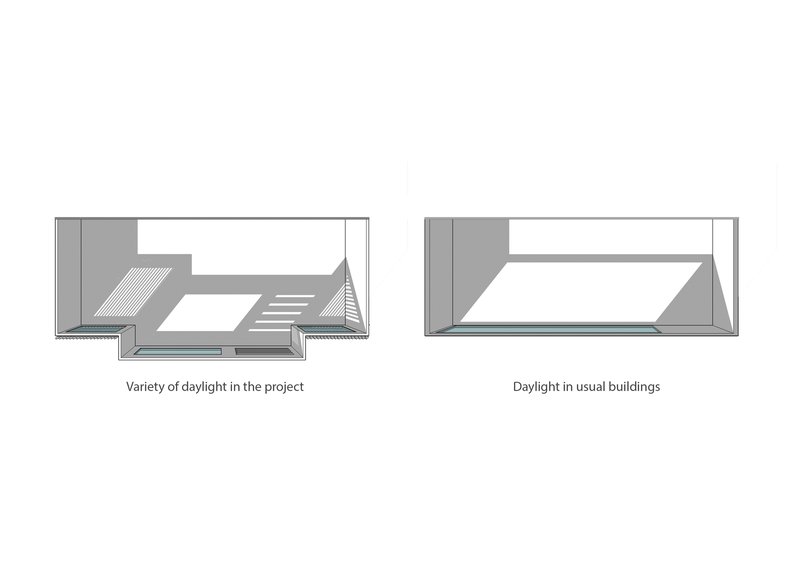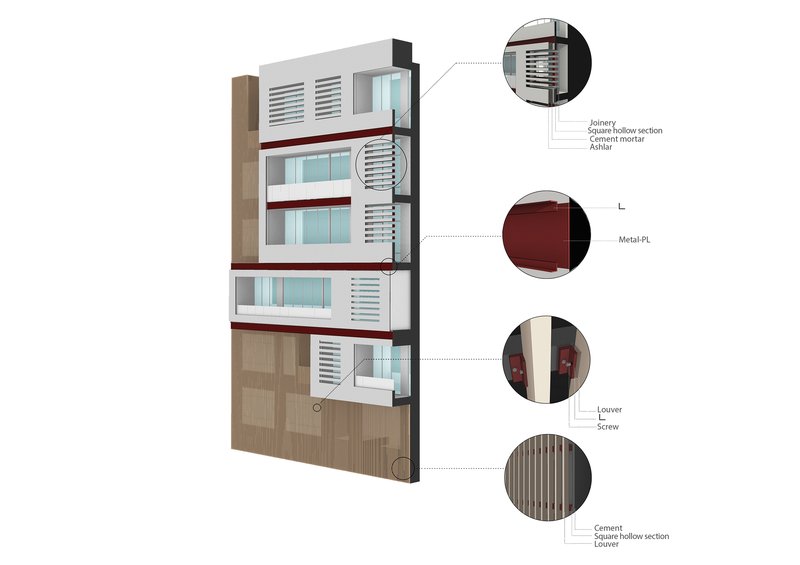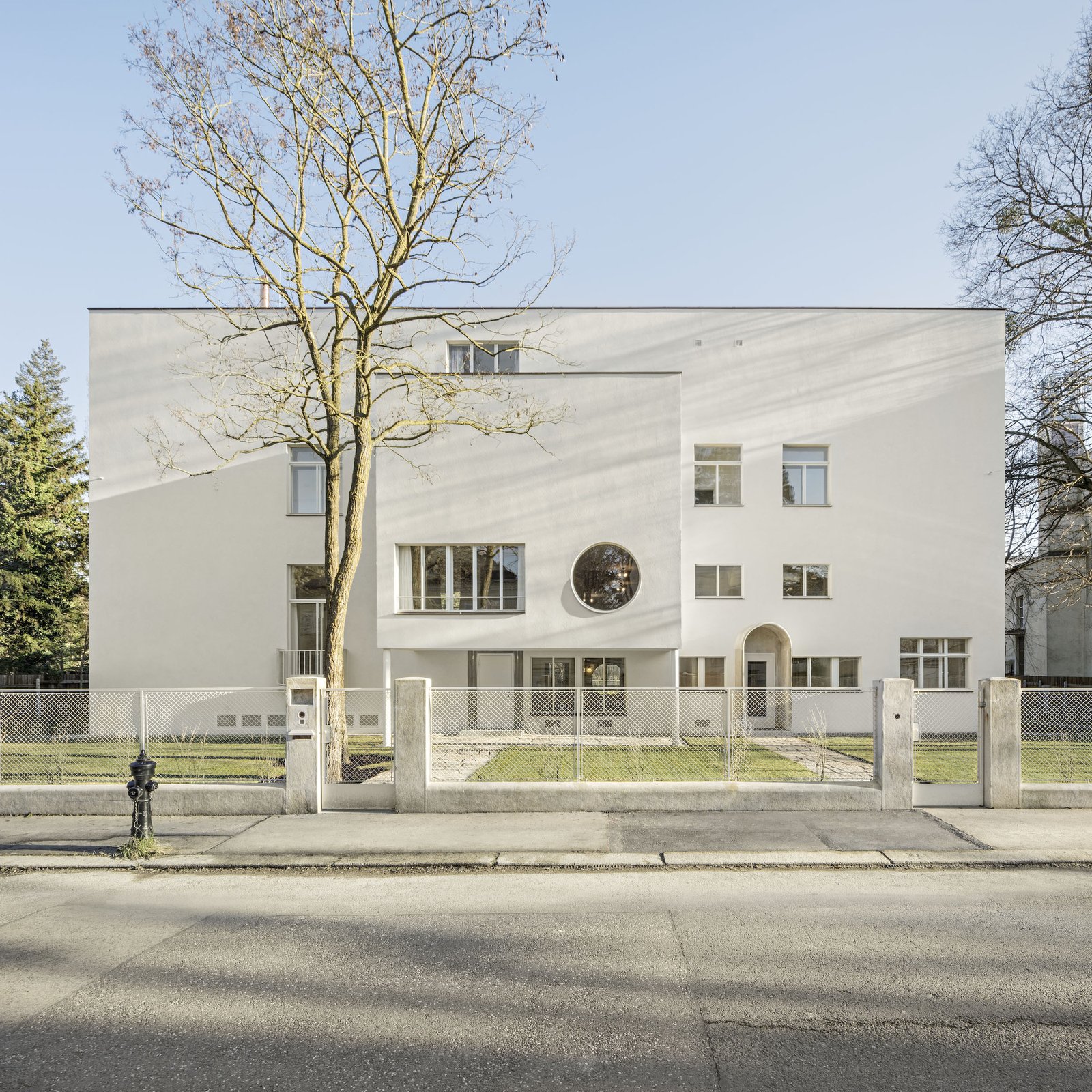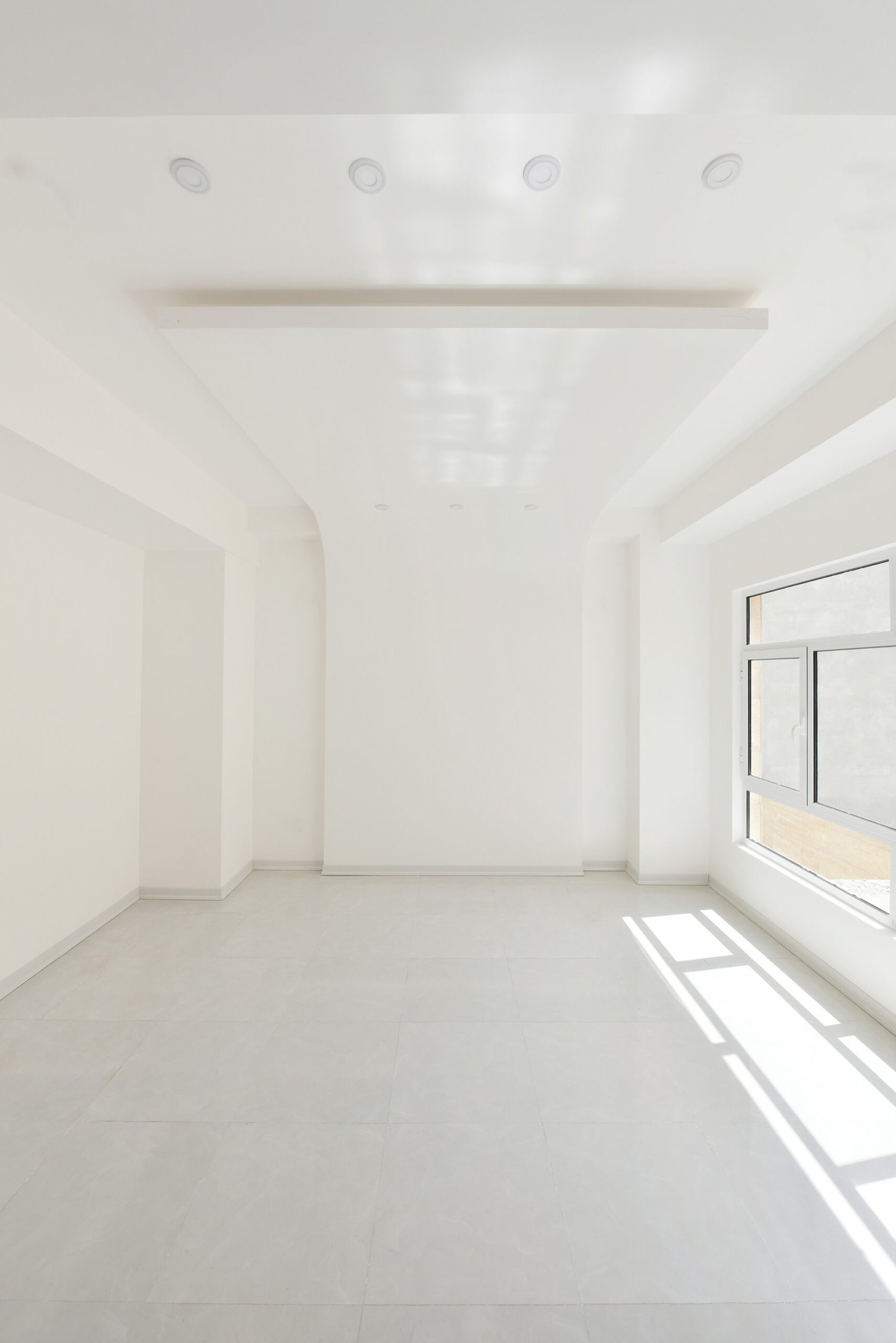
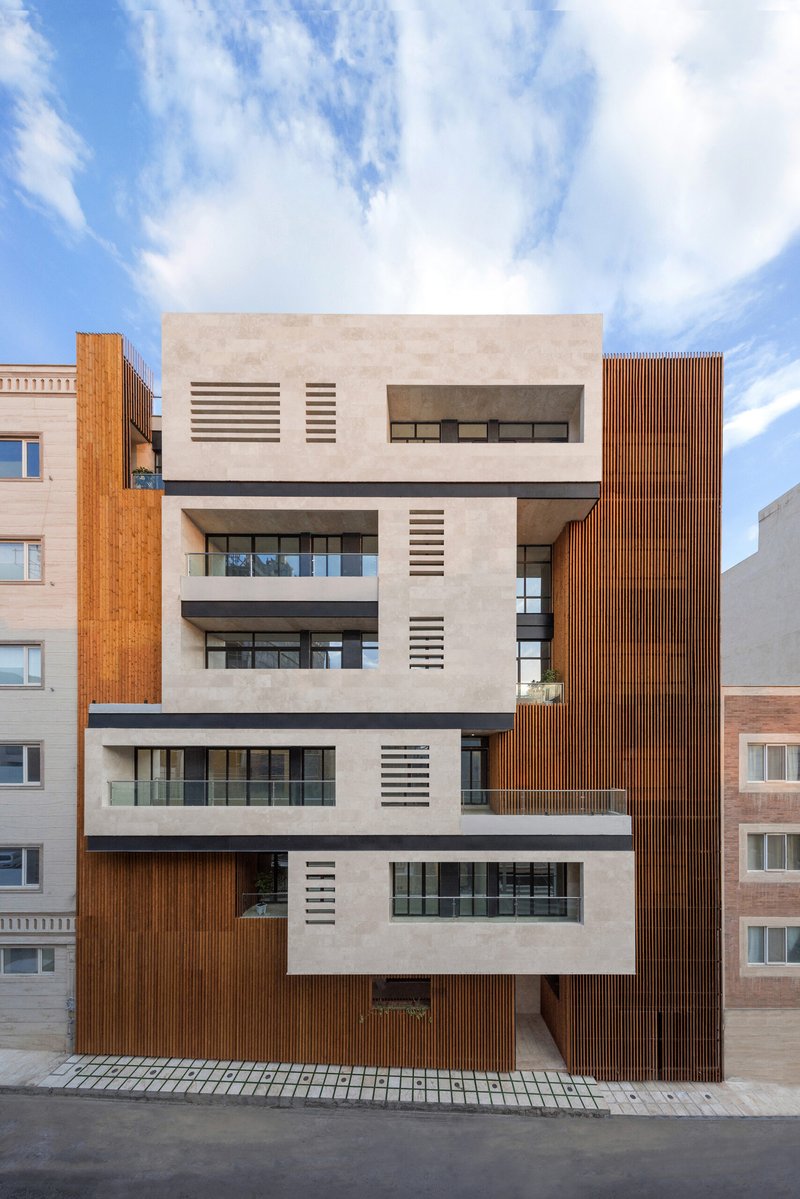
The Salariyeh Residential Building stands elegantly in the city of Qom, challenging the limitations imposed by the urban context and municipal regulations. Buildings that integrate into this setting often grapple with the rigidity of standardized facades and restrictive floor plans, compromising spatial dynamics both inside and outside the structure. In this project, the interaction between internal spaces and the external landscape has been meticulously planned, respecting local religious beliefs such as ‘privacy’ and the ‘lack of visibility from the exterior into the building’.
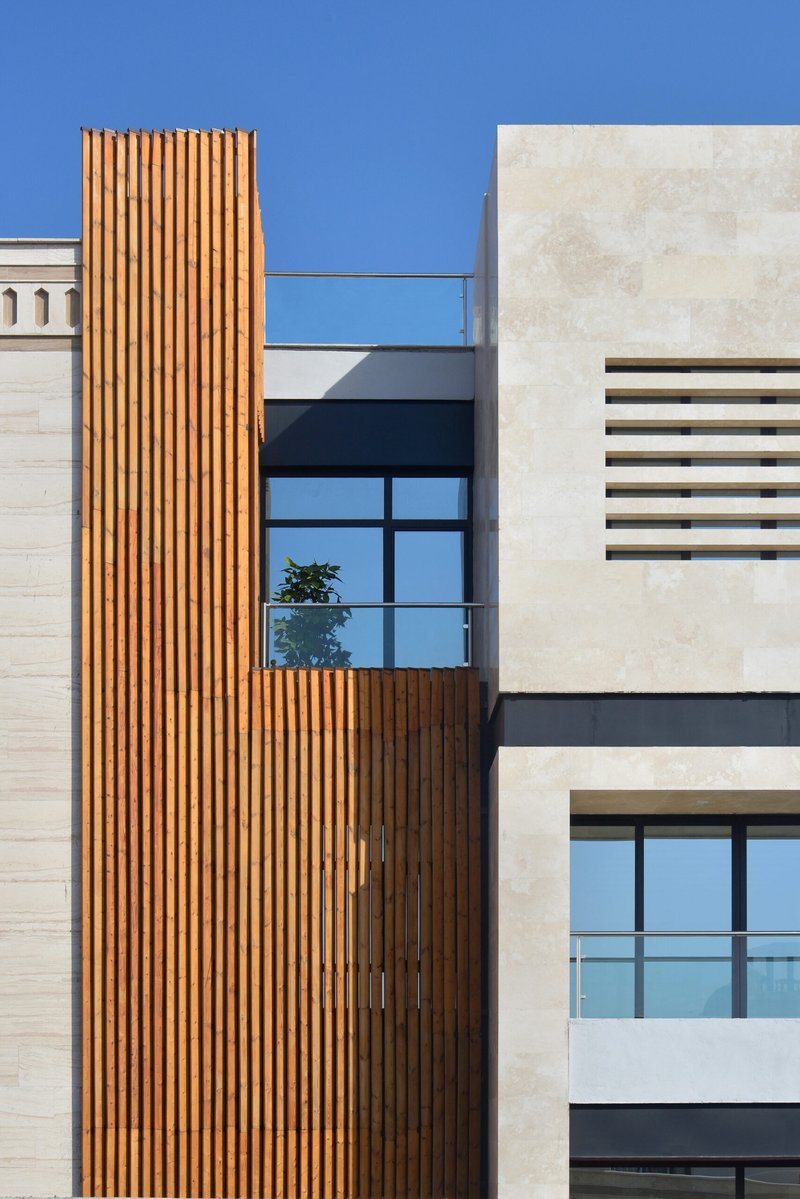
The design process, which unfolded methodically, was guided by in-depth research within a specific context. The conception of cantilever systems and the approach taken to address them represented a challenge to urban criteria, culminating in a proposal that transcends mere functionality. The depth of the project revealed additional layers of issues and potentials, influenced by advancements in the design process, as well as social, cultural, structural, and implementation details.
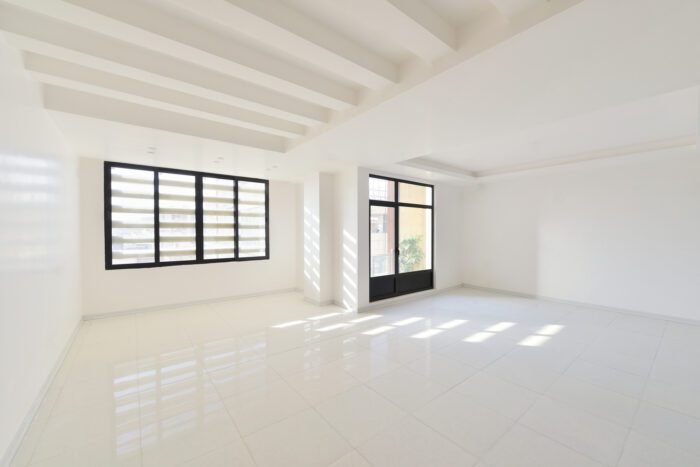
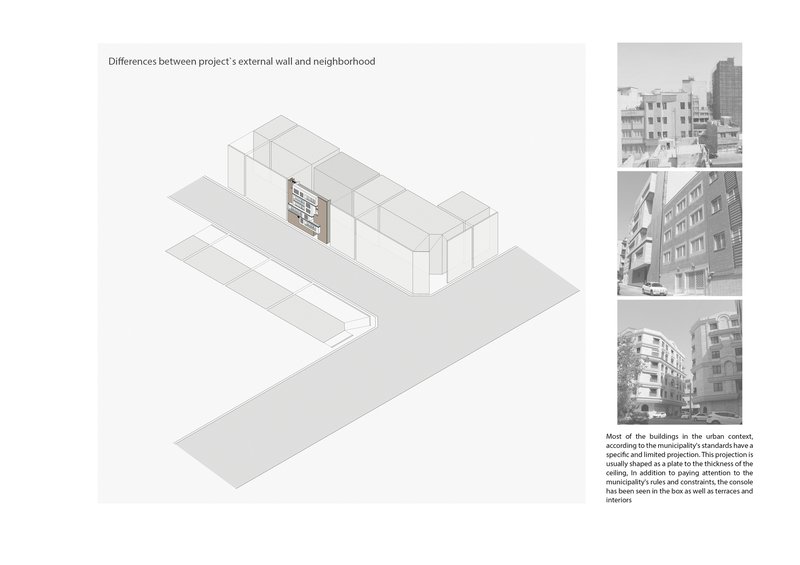
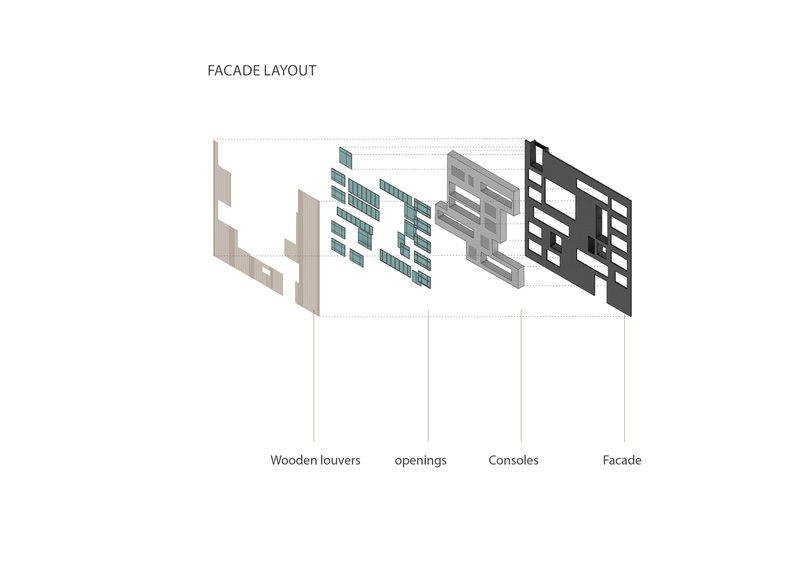
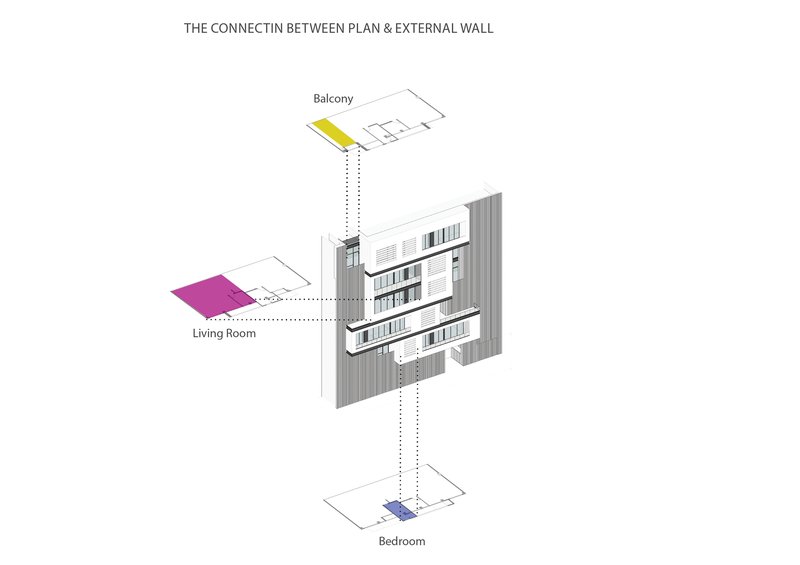
In this way, the proposal for the building's urban wall was conceived as an element that encompasses internal functions, plans, and privacy criteria. This interactive dialogue between the interior and exterior significantly impacted the perception of the building within the urban landscape. Ultimately, the project presents itself as an integrated form within the uniform urban context, showcasing an independent identity relative to its surroundings.
Project Info Architects: Heram Architects Country: Iran, Qom Area: 3600 m² Year: 2018 Photographs: Deed Studio Manufacturers: Grohe, AGT, Avana Stone, Thermoarena, Vista Best: Grohe Design Team: Elika Zarei, Bahareh Sheisi, Marziyeh Golshahi, Andisheh Oskuyi, Fatemeh Asad Soleymani, Ehsan Kazerooni, Kazem Rezayani Client: Salar Nikoogoftar Tags: 2018, Branded Content, Concrete, Deed Studio, Heram Architects, Iran, Qom, Steel, Wood.