In the heart of the modern metropolis, one might encounter the spirit of the flâneur, as envisioned by Walter Benjamin—a figure who ambles aimlessly, yet with a keen eye for the minutiae, the serendipitous meetings, and the narratives that the urban tapestry unfurls. This mode of existence, shaped by observation and openness to the unforeseen, has long stood at odds with the rigid rationalism and functionalism that have steered urban planning through the twentieth century. Streets engineered primarily for efficiency and flow rarely accommodate the luxury of detours, pauses, or the peaceful coexistence of life's varied rhythms. Jane Jacobs, a luminary voice, challenged this predominantly rationalistic mindset, advocating that truly vibrant streets are those that sustain the rich diversity of daily life, informal exchanges, and the natural surveillance and care that emerge organically. These thinkers share a profound insight: streets transcend mere conduits of movement to become social ecosystems, sculpted by the relationships, uses, and encounters that transpire upon them.
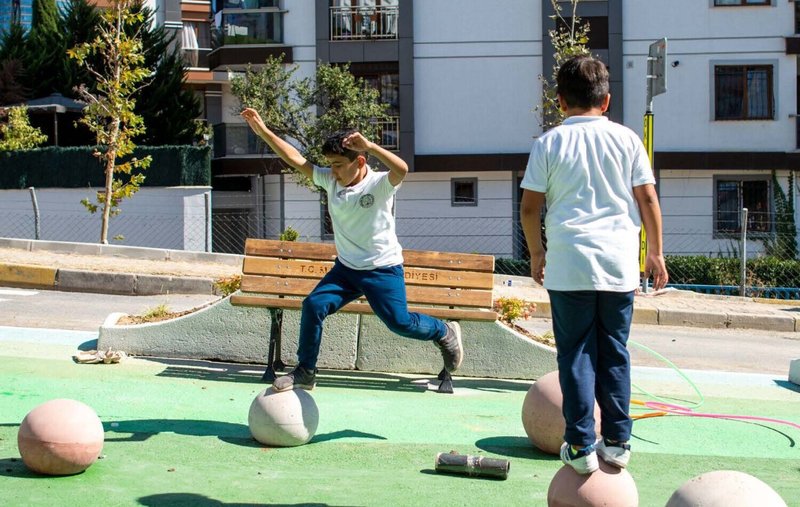
Introducing childhood into this dialogue further enriches our understanding. While the flâneur epitomizes the liberty to wander, the child embodies the right to unproductive time, diversions, and play—practices seldom afforded space in streets designed solely for traffic and productivity. Designing from the vantage point of a child does not romanticize or infantilize the city; it acknowledges that the quality of public space is gauged by its ability to embrace diverse bodies, ages, abilities, and modes of togetherness. In this light, streets become arenas of daily learning, where intergenerational interaction and shared experiences cultivate a sense of meaning and belonging.
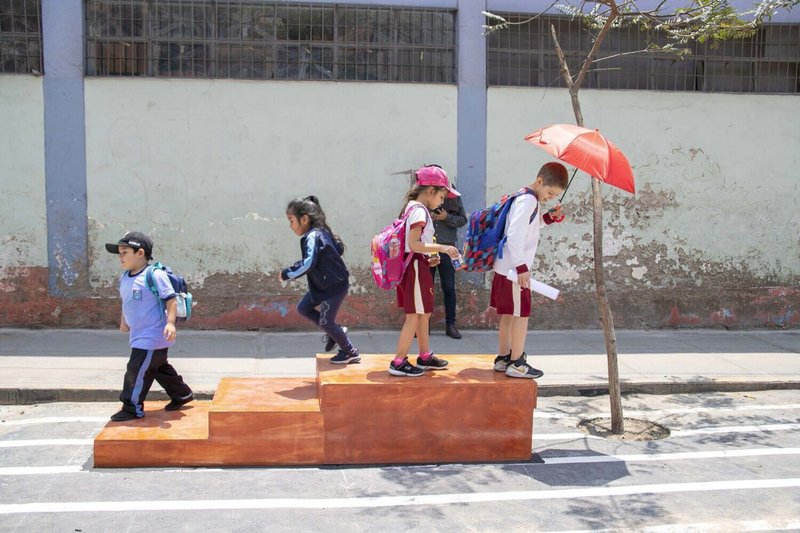
Initiatives like the guide 'Designing Streets for Kids' advocate for this reorientation of urban design. Rather than treating safety, health, and well-being as supplementary layers, the guide asserts that these conditions should be foundational to the very fabric of street design. Eduarda Aun, spearheading the Streets for Kids program at the Global Designing Cities Initiative (GDCI), contends that this shift begins with recognizing those who experience the city most intensely and vulnerably. 'By considering the needs of children and their caregivers—predominantly women—I began to perceive the city differently,' she explains. 'I realized how profoundly early childhood development is influenced by the external environment, and how streets must be not only safe and clean but also convenient and inspiring.'
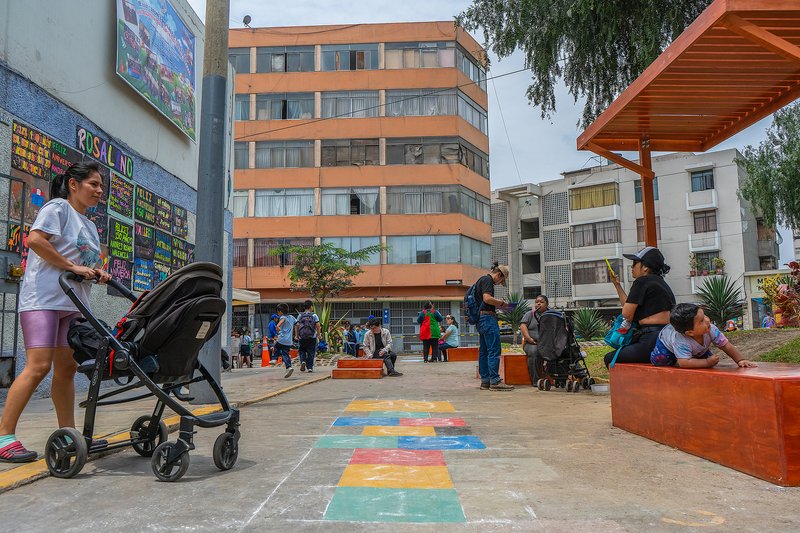
This perspective shift redirects urban planning's focus from idealized routes to the realities of daily life. 'While conventional mobility often centers on the commute from home to work and back, those caring for children typically make multiple stops throughout the day,' Aun elaborates. This pattern reveals the inadequacies of streets designed solely for swift transit, overlooking the fragmented rhythms of care, permanence, and social interaction. Here, play ceases to be a residual use of public space and becomes an indicator of urban quality. Play must be convenient for caregivers, as long distances, time constraints, or inadequate infrastructure hinder accompanying the young ones in public spaces. The everyday journeys could transform into grand opportunities for spontaneous play and nurturing children's autonomy—provided we craft streets that are safer, more diverse, and inspiring.
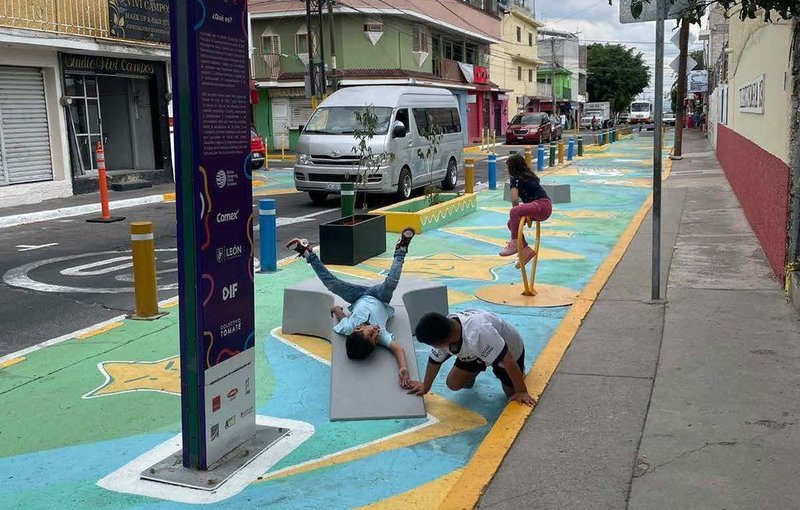
This lens renders visible how seemingly technical decisions—such as the width of sidewalks, vehicle speed limits, or the presence of trees and urban furnishings—impact childhood development, public health, and social relationships. Streets bustling with traffic, lacking spatial diversity and environmental quality, diminish opportunities for play, walking, and interaction. 'Streets where children cannot play with neighbors contribute to more sedentary lifestyles, socially isolated children, and reduced levels of autonomy,' Aun observes.
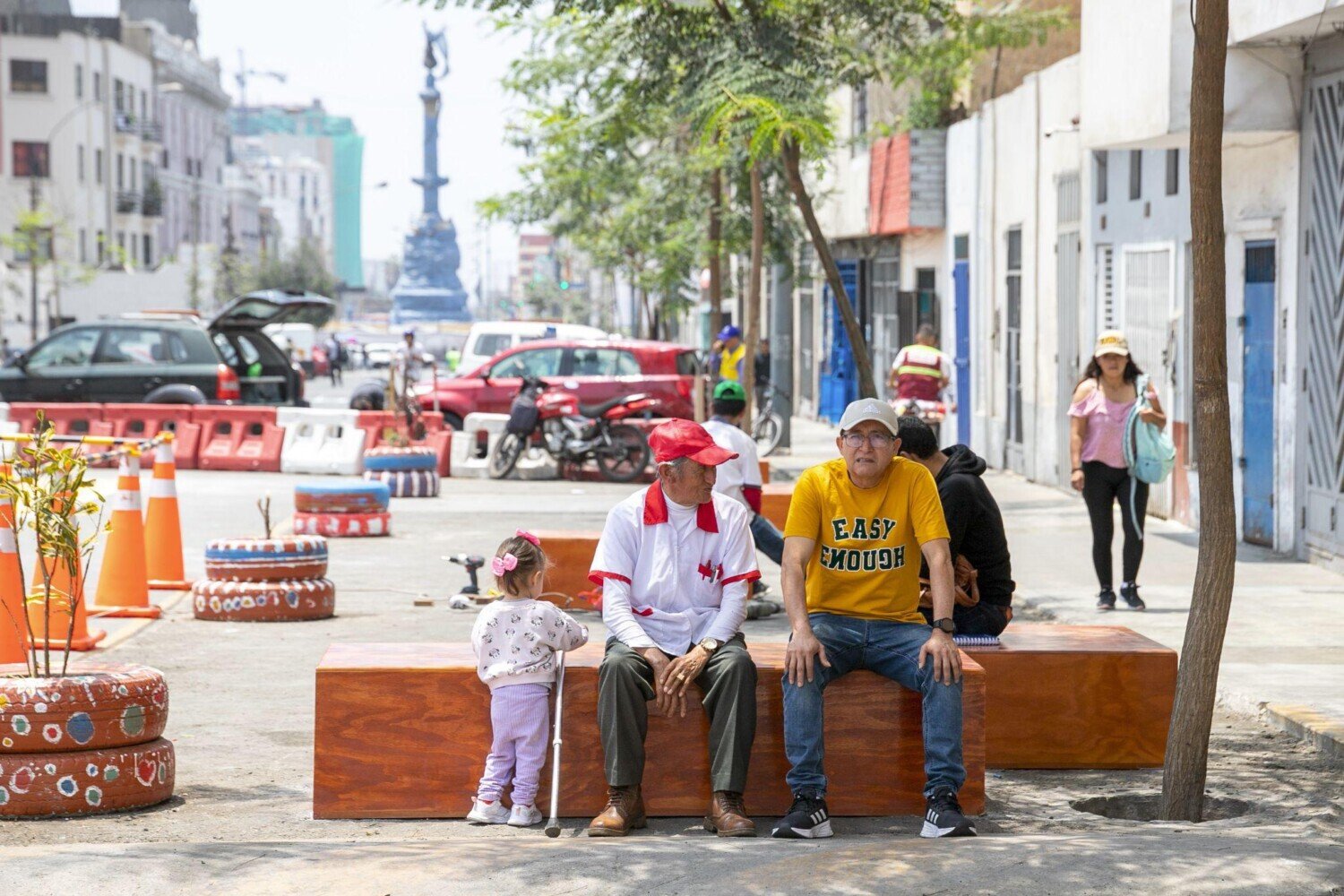
In practice, this approach often translates into simple yet highly effective interventions. Closing streets in front of schools, for instance, has proven a powerful strategy for reactivating public space in cities worldwide, from Paris to Barcelona to Lima. By restricting car access, unsafe intersections can be transformed into communal, learning, and shared-use spaces, benefiting not only school communities but entire neighborhoods. Experience shows that when space is conceived for the most vulnerable, it becomes more inclusive for all. By prioritizing children, cities create conditions for intergenerational encounters, strengthen community bonds, and enhance the sense of belonging. Unsurprisingly, many of these projects achieve high levels of public approval and help align various local government sectors around common goals.
Institutionally, this approach also guides the work of the GDCI. 'Our mission is to inspire leaders, inform professionals, and invite communities to reimagine their streets, placing people first,' asserts Aun. Beyond providing technical assistance to local governments, the organization develops guides, tools, and a series of webinars that expand the reach of these experiences, highlight successful examples, and fortify a global movement for more humane streets. Childhood has also emerged as a strategic entry point for broader discussions on climate and urban resilience. Redesigning streets to reduce speeds, encourage active mobility, and expand green areas simultaneously contributes to lowering emissions, adapting cities to heatwaves, and improving air quality.