In the ever-evolving narrative of architectural expression, this week's discourse unfurls like a tapestry woven with threads of history, innovation, and cultural resurgence. As the world observes the International Day for Clean Energy and the International Day of Education, the stage is set for a profound reflection on how architecture intertwines with these global themes. At the heart of this reflection lies the recent archaeological marvel discovered in Fano, Italy, where the unearthing of a basilica once described by Vitruvius bridges the ancient with the contemporary, inviting a dialogue between past aspirations and present realities.
Across the global architectural canvas, a resounding theme of civic architecture emerges, conceived not as isolated edifices but as vibrant, open infrastructures that invite public engagement. This week, attention pivots towards Africa, a continent where the grandeur of large-scale transport infrastructure and the preservation of modernist landmarks heralds a renaissance of interest. These projects not only reflect a deepening appreciation for Africa's architectural heritage but also signal a reawakening to its potential as a canvas for innovative design.
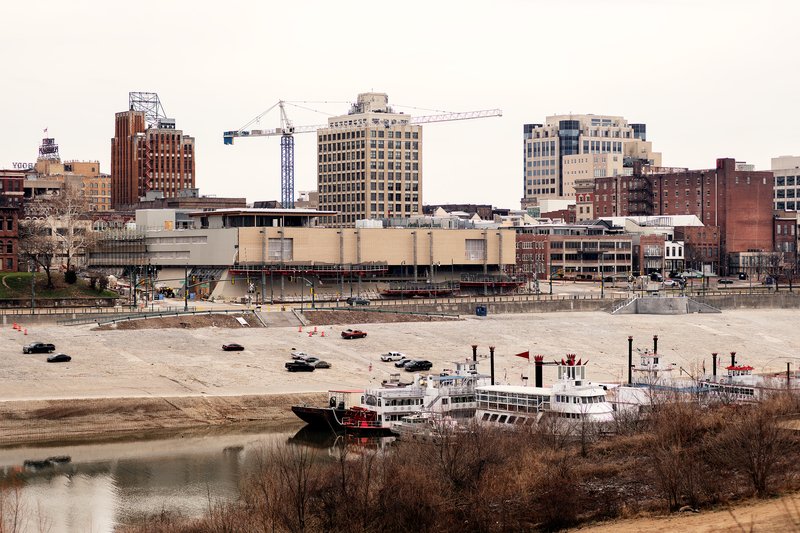
One cannot overlook the elegance of Herzog & de Meuron's endeavor in the United States, where their Memphis Art Museum, crafted from timber, stands poised to become a cultural beacon by 2026. Here, the interplay of materiality and environment creates a dialogue between the museum, its lush park surroundings, and the urban fabric of the city. In Milan, David Chipperfield Architects unfurl new vistas with the Santa Giulia Arena, a venue destined to host the cultural and sporting triumphs of the 2026 Winter Olympics. This arena is not merely a structure but a catalyst for urban regeneration, promising to breathe new life into its environs.
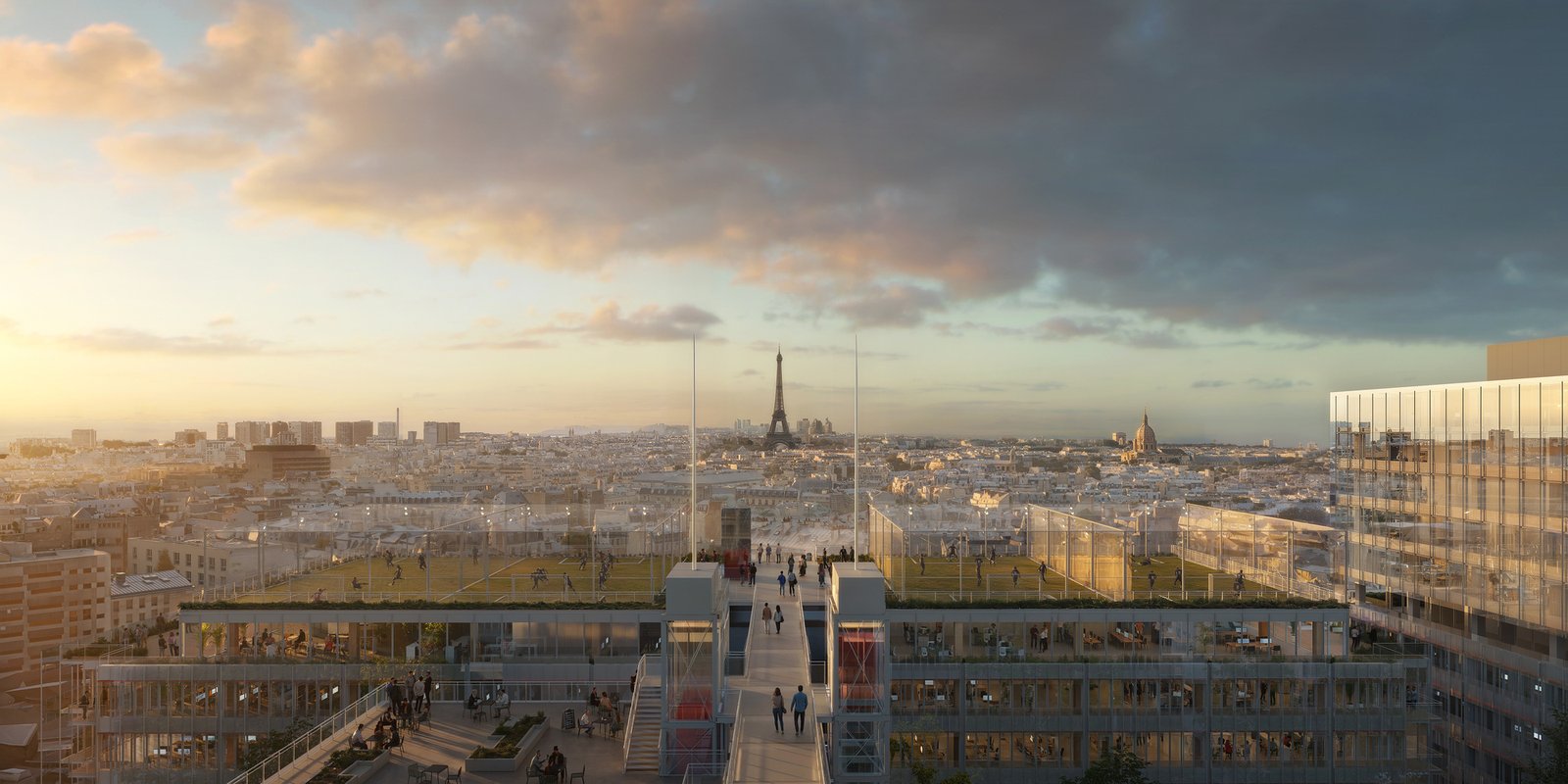
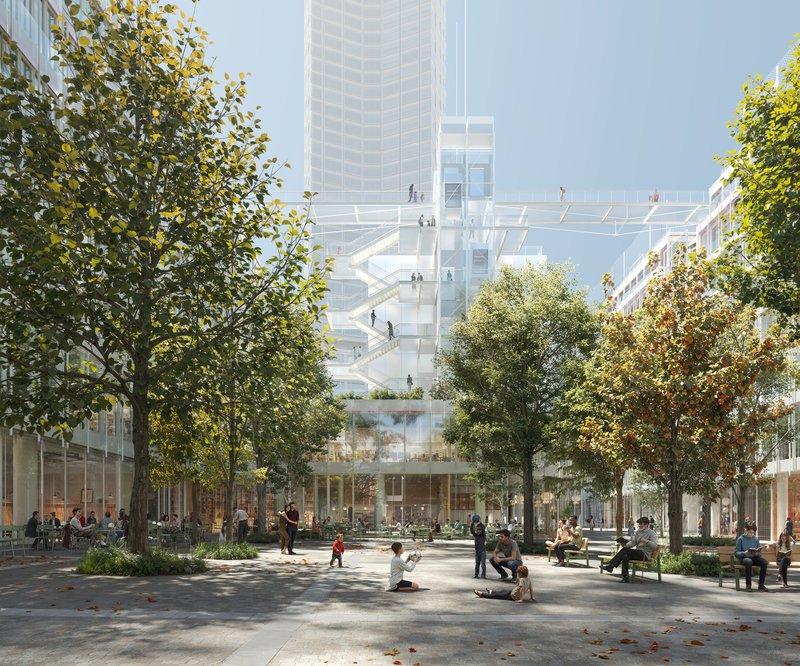
In the romantic heart of Paris, the Renzo Piano Building Workshop embarks on a transformative journey, reimagining the Montparnasse Commercial Centre as a pedestrian haven. This metamorphosis from a cloistered commercial nexus to a porous urban retreat exemplifies the shift towards creating spaces that resonate with the rhythm of urban life. Meanwhile, in the Netherlands, the partnership of MVRDV and Buro Happold unveils the Lampegiet Theatre in Veenendaal, a civic edifice that celebrates transparency and accessibility, nurturing a symbiotic relationship with its town.
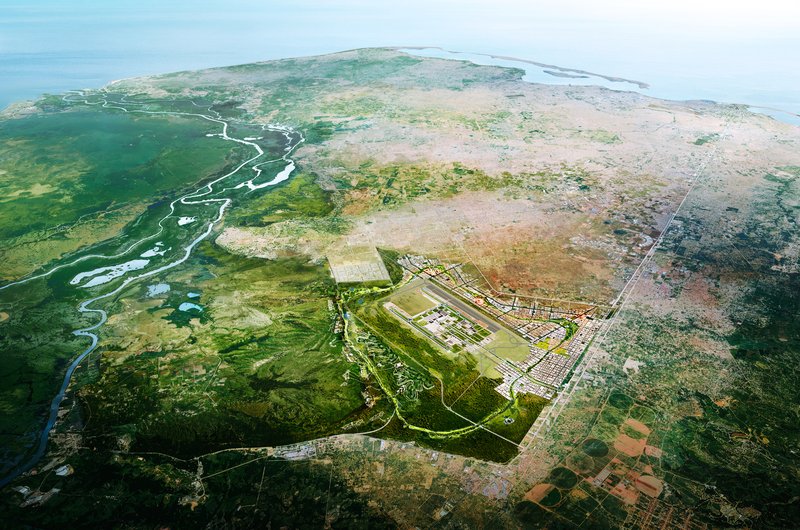
Turning our gaze southward, Africa emerges as a focal point of architectural innovation. Foster + Partners, in conjunction with Angola's Ministry of Transport, reveals a visionary masterplan for the Icolo e Bengo Aerotropolis. This ambitious development orbits around the newly completed Dr. António Agostinho Neto International Airport, promising to reshape the narrative of urban connectivity. Similarly, Zaha Hadid Architects heralds the commencement of construction on the Bishoftu International Airport near Addis Ababa, an enterprise that aspires to be Africa's largest.
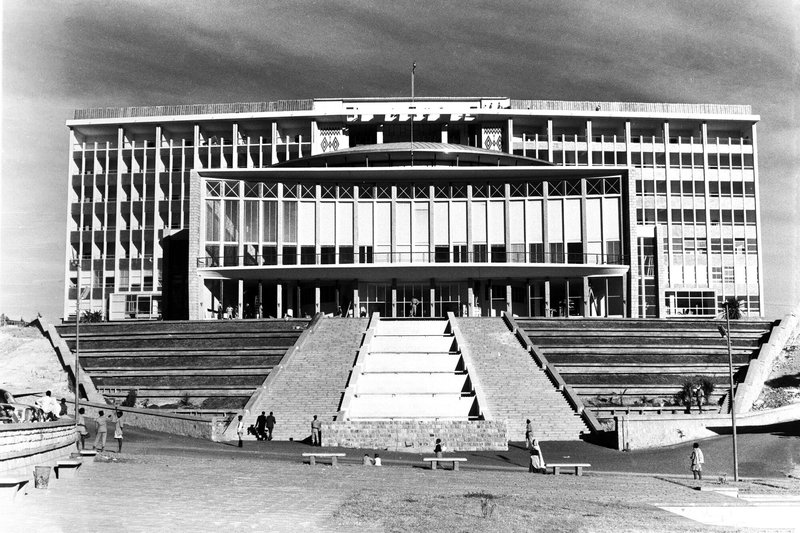
In tandem with these infrastructural endeavors, the architectural community recognizes the continent's modernist legacy. The World Monuments Fund / Knoll Modernism Prize celebrates the restoration of the United Nations' Historic Africa Hall in Addis Ababa, a project that reinvigorates a landmark of African modernism as a vibrant venue for diplomacy and cultural discourse. This accolade underscores a growing movement to document and celebrate Africa's architectural contributions.
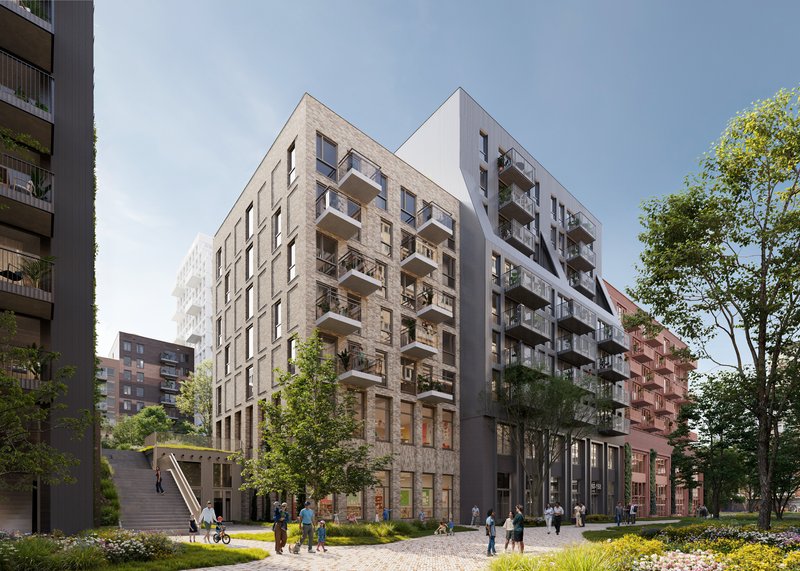
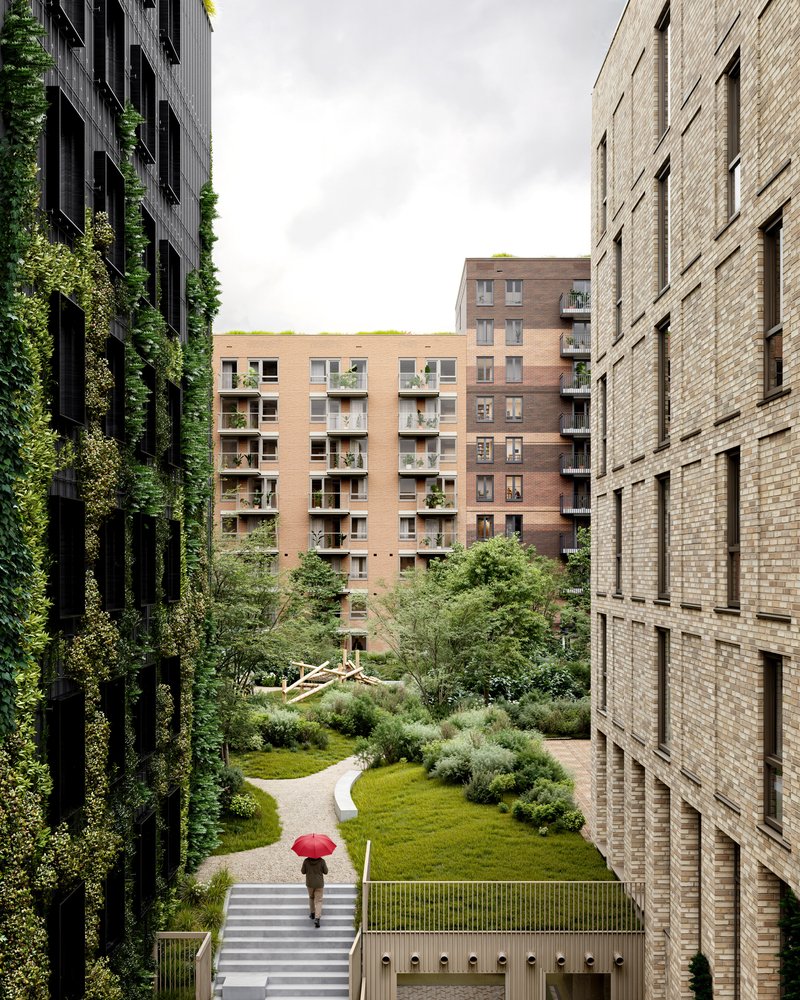
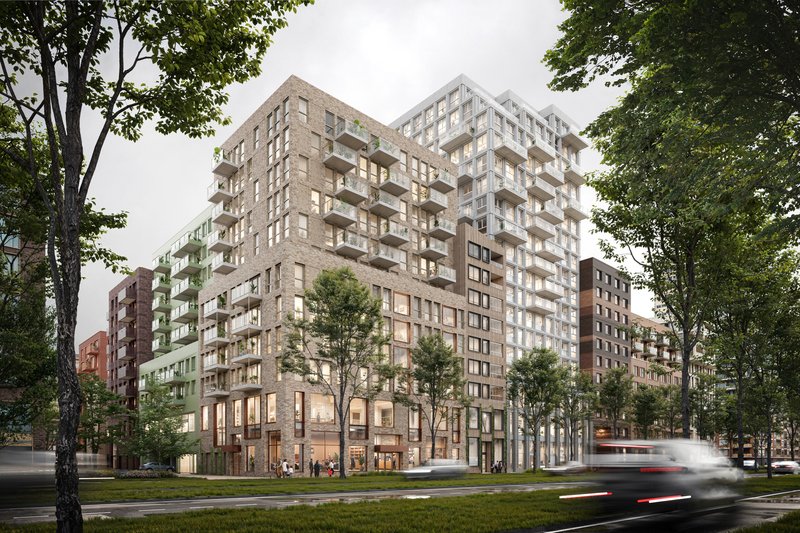
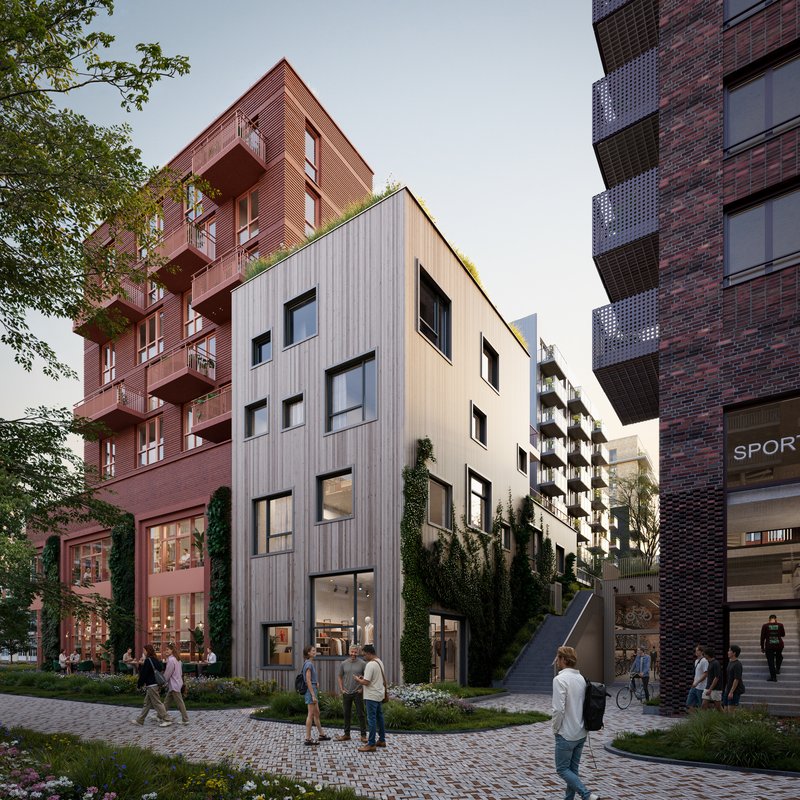
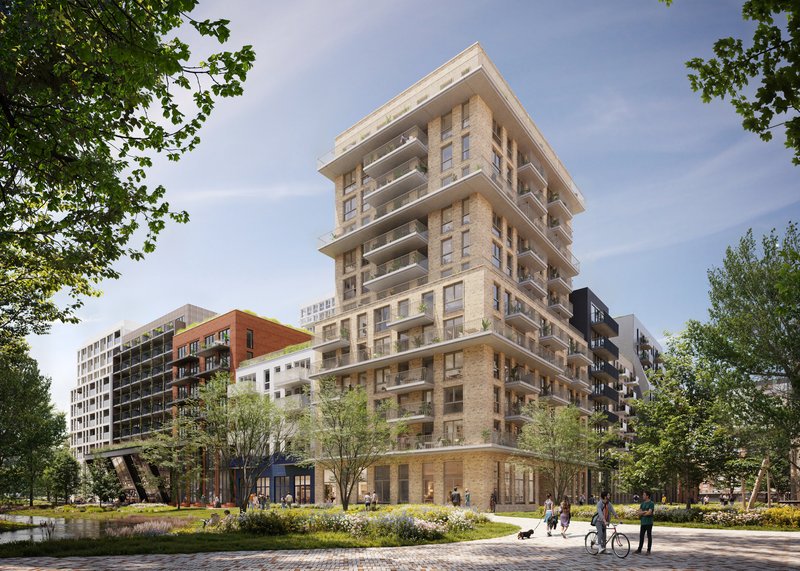
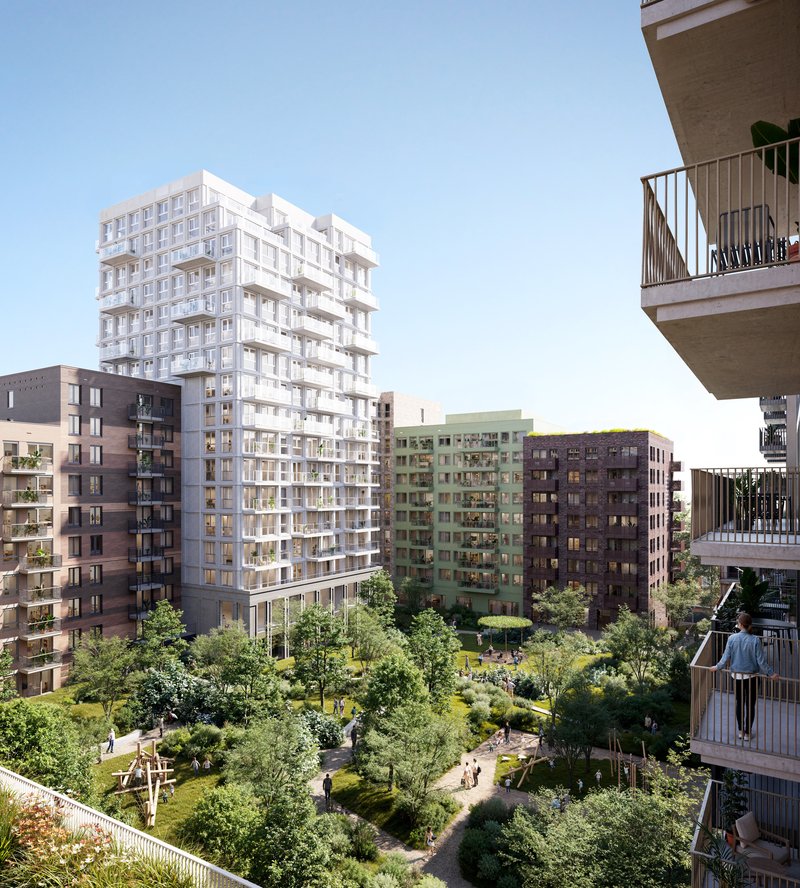
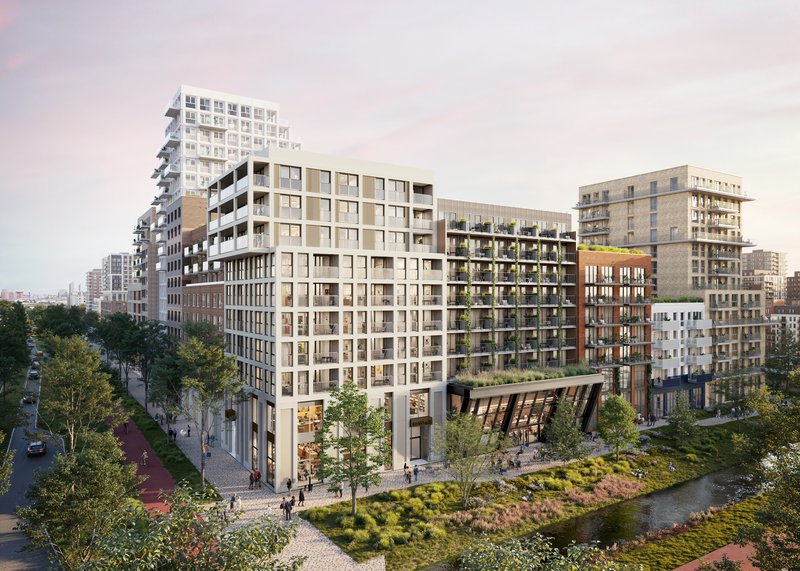
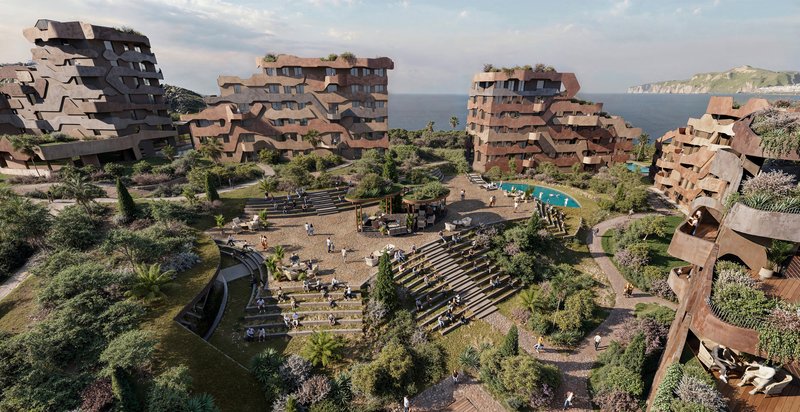
In Utrecht, the GROW district, conceived by KCAP in collaboration with MONK architecten and Studio Nauta, exemplifies the ideals of a car-free urban landscape. This mixed-use district, cradling 18 architecturally diverse buildings, fosters a harmonious blend of urban density and sustainability. The verdant courtyard, designed as a neighborhood park, serves as a green lung, nurturing biodiversity and mitigating urban heat.
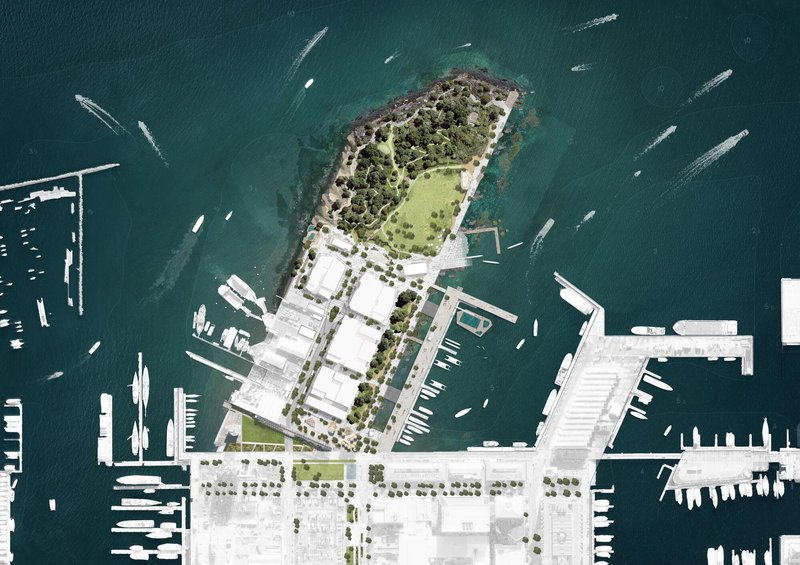
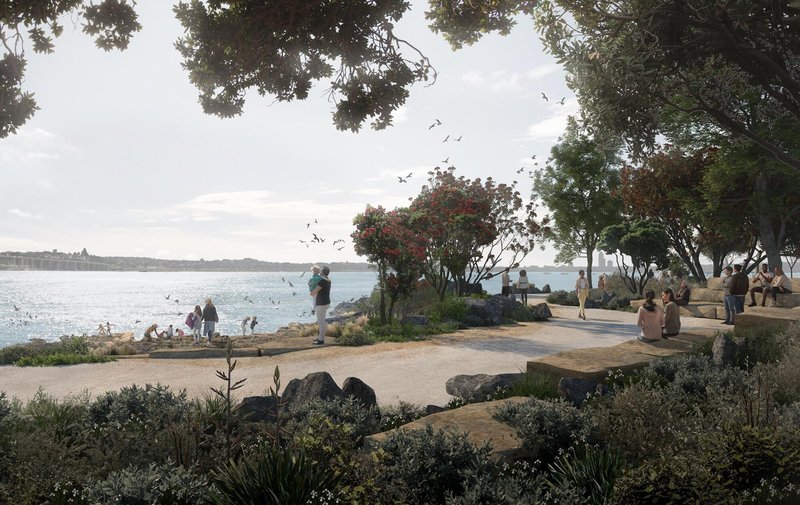
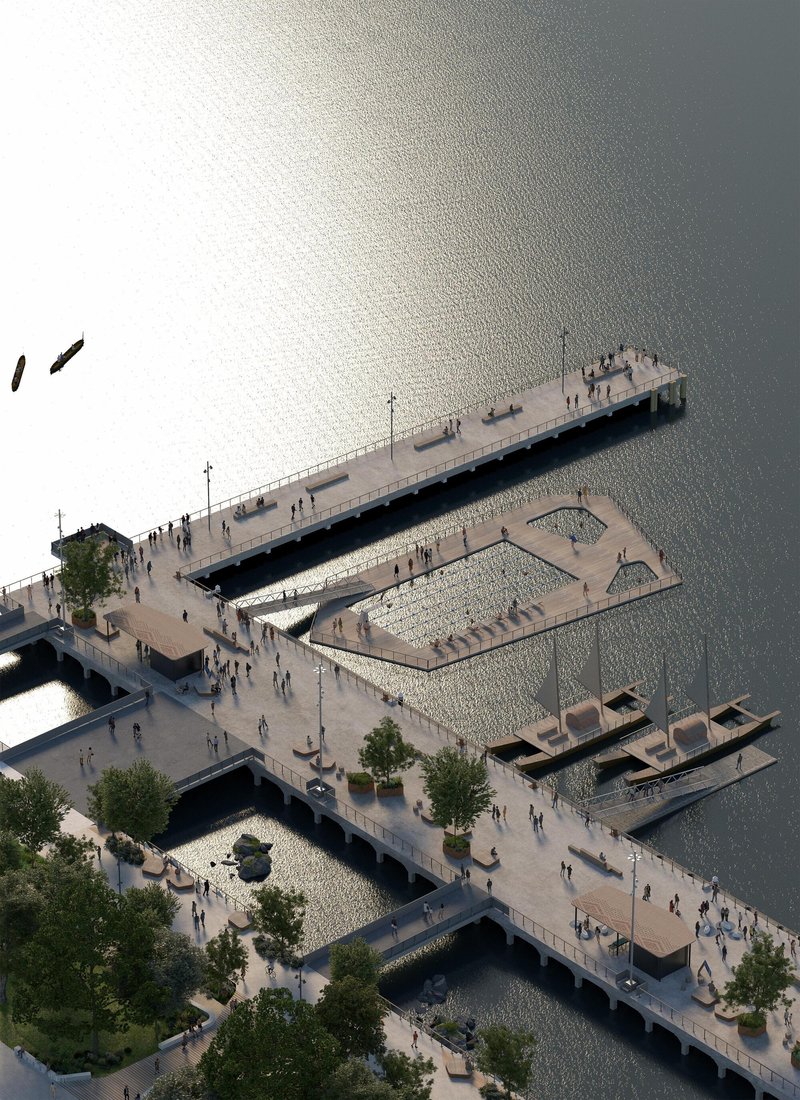
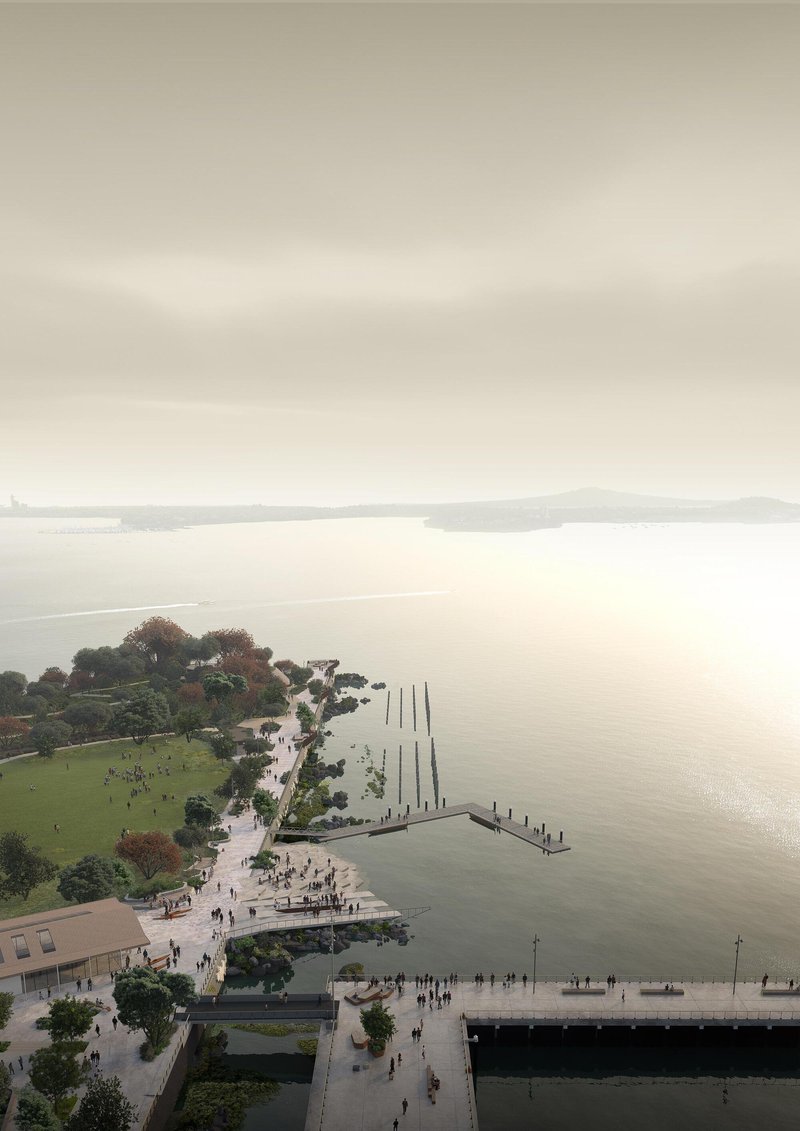
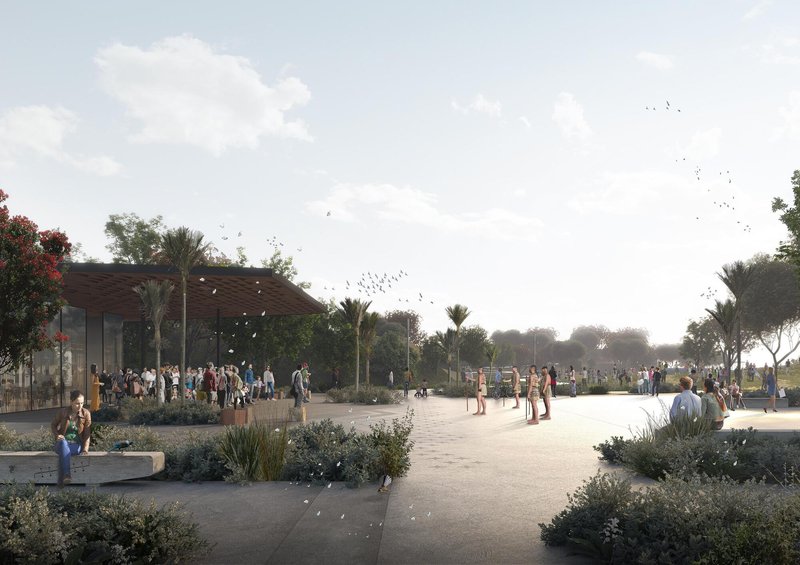
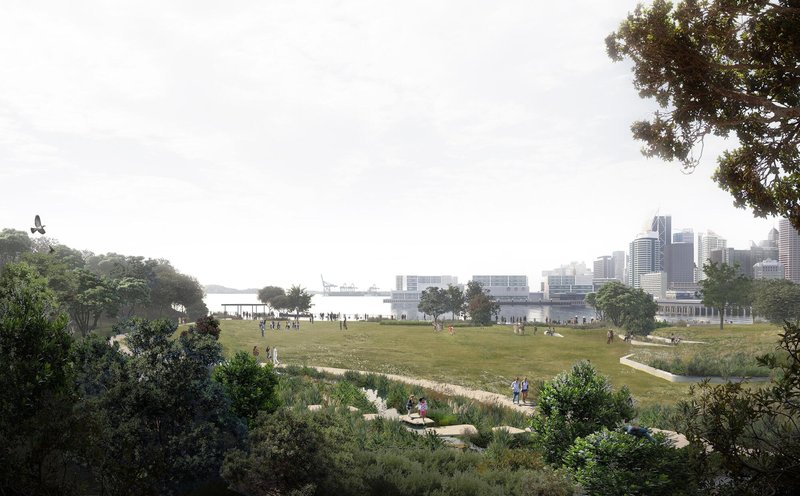
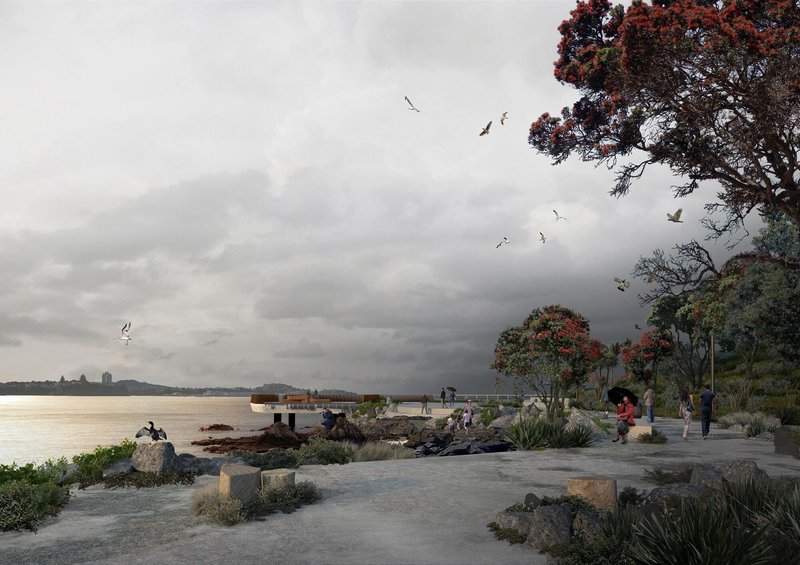
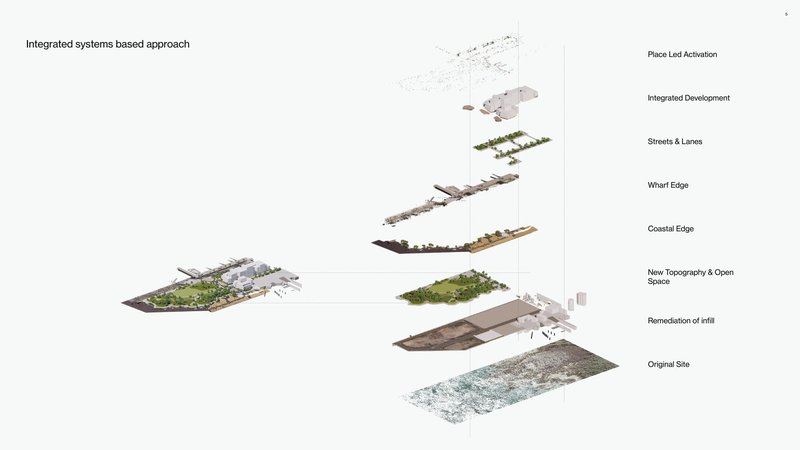
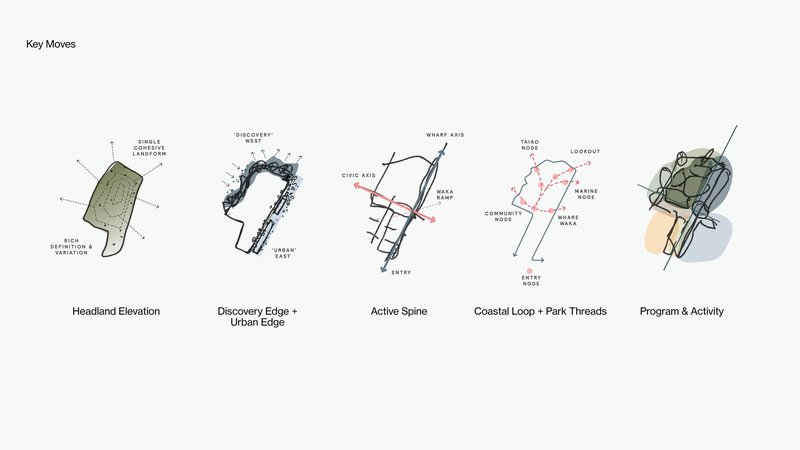
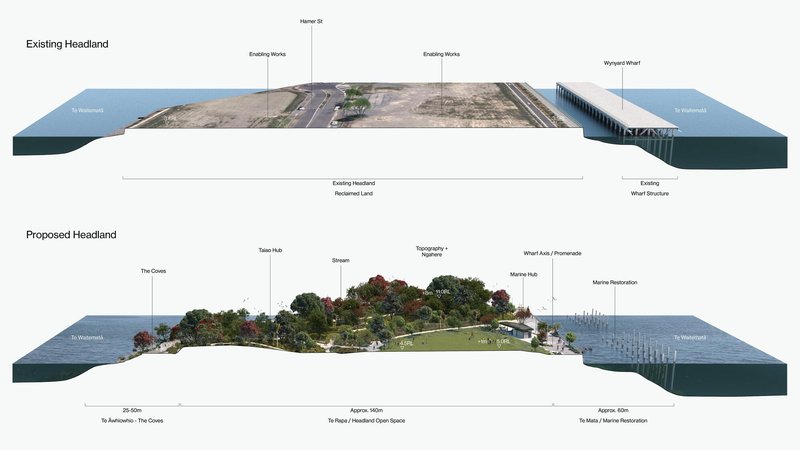
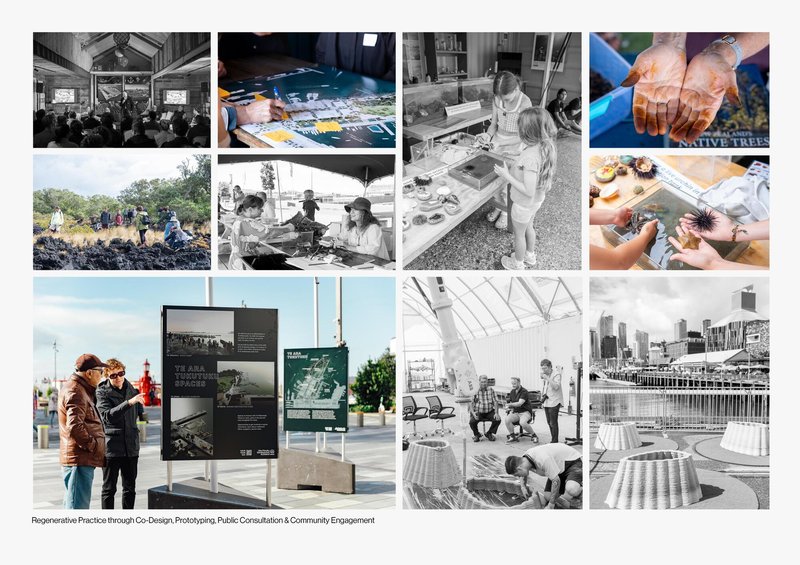
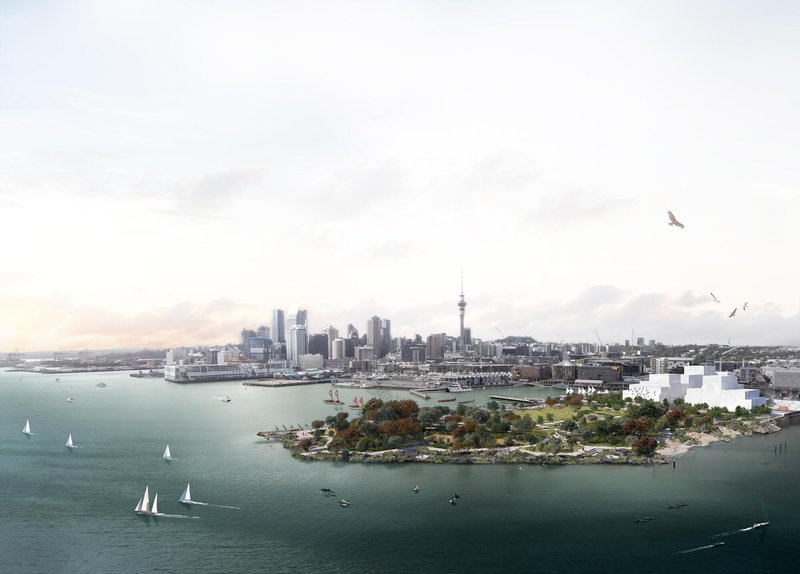
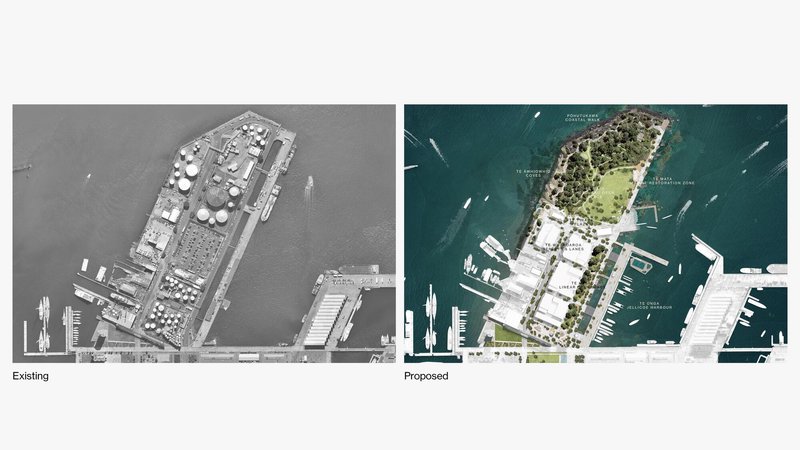
Lastly, in Tāmaki Makaurau, Auckland, the transformative vision of LandLAB and SCAPE comes to life in Te Ara Tukutuku. This 5-hectare headland, a testament to co-design rooted in indigenous wisdom, reimagines a former petrochemical site into a regenerative coastal sanctuary. Guided by Mana Whenua partners, this project harmonizes the elements of land, sea, and people, crafting a narrative that honors the spiritual and ecological tapestry of the region.
Through these myriad endeavors, architecture asserts its role as a steward of public space, a custodian of civic responsibility, and a narrator of territorial identity. Each project, whether nestled in the bustling heart of a metropolis or unfolding across vast African plains, eloquently speaks to a future where architecture embraces openness, engagement, and a profound connection to its surroundings.